
Gynaecological Cancer Treatment

Specialised Care for Cancers Affecting the Female Reproductive System

Gynaecological cancers can affect different parts of the female reproductive system, including the uterus, ovaries, cervix, and vulva. Each cancer has different characteristics and may require surgery, chemotherapy, radiation therapy, targeted treatment, immunotherapy, or a combination of approaches.

At VED Hospital, our cancer care team provides evaluation, diagnosis, staging, treatment planning, and surgical care for different gynaecological cancers. Treatment is selected according to the type, stage, location, and extent of cancer, along with the patient’s overall health and individual needs.

Whether you have recently been diagnosed with a gynaecological cancer, have been advised to undergo surgery, or are seeking a second opinion, our specialists can help you understand your condition and available treatment options.

What Brings You Here Today?

Gynaecological cancers can sometimes develop with subtle or easily overlooked symptoms. Persistent or unusual changes should be evaluated by a specialist.

Understanding Gynaecological Cancer

Gynaecological cancer refers to cancers that develop in the female reproductive system. These include cancers of the uterus, ovaries, cervix, vulva, vagina, and other reproductive organs.

The symptoms, risk factors, treatment, and prognosis vary depending on the organ involved. Early diagnosis and accurate staging are important for determining the most appropriate treatment strategy.

What Can Increase the Risk of Gynaecological Cancer?

Risk factors vary between different types of gynaecological cancer. Some factors may increase the likelihood of developing these cancers, although having a risk factor does not necessarily mean that cancer will develop.

Increasing Age

HPV Infection

Family History

Genetic Conditions

Smoking and tobacco use

Obesity and hormonal factors

Personal history of certain cancers

Reproductive and menstrual factors

Previous radiation exposure

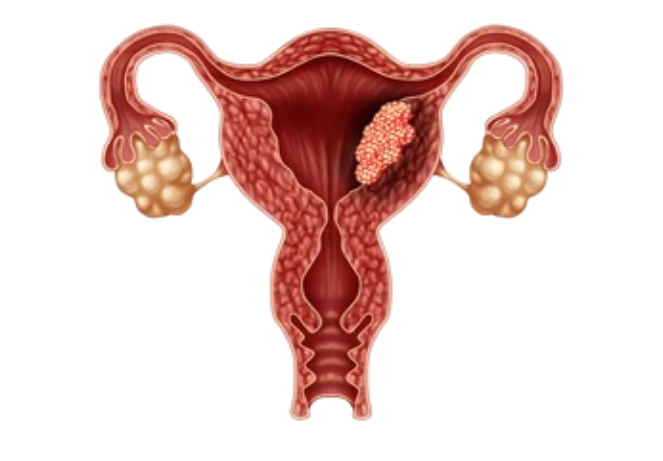
Gynaecological Cancers We Treat

Uterus Cancer

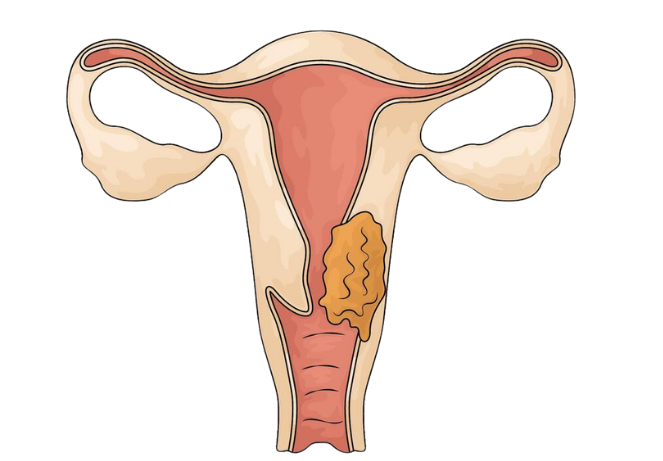
Cancer of the uterus may present with abnormal vaginal bleeding, pelvic discomfort, or bleeding after menopause.

Ovary Cancer

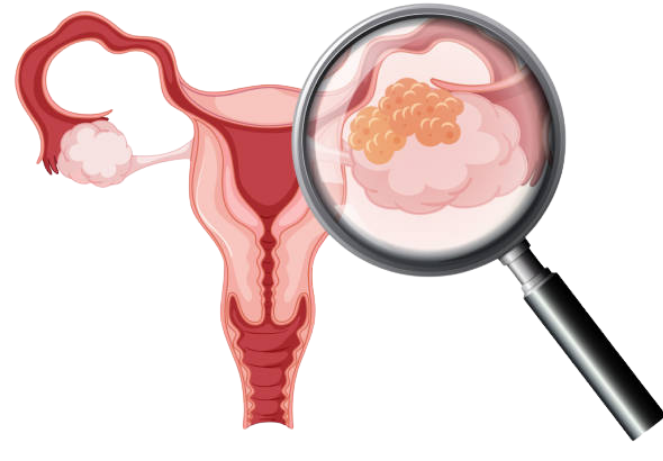
Ovarian cancer may cause persistent bloating, abdominal or pelvic discomfort, changes in appetite, or unexplained weight changes.

Cervical Cancer

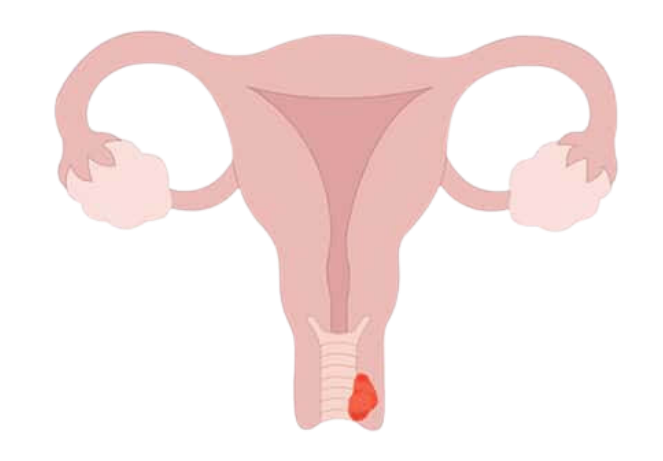
Cervical cancer develops in the cervix and may cause abnormal bleeding, unusual discharge, or pelvic discomfort, particularly in later stages.

Vulva Cancer

Vulvar cancer affects the external female genital area and may cause persistent itching, skin changes, pain, or a lump.

Choosing the Right Gynaecological Cancer Treatment

The treatment plan may involve one treatment or a combination of approaches depending on the cancer and the patient’s overall health. Treatment depends on the type, stage, location, and extent of cancer. Depending on the individual case, treatment may involve:

Care

Patient-Centered

Compassion

Human Touch

Cure

Trusted Outcomes

Gynaecological Cancer Treatment Options

The treatment approach varies according to the type and stage of gynaecological cancer.

Cancer Surgery

Surgery may be recommended to remove the cancer and surrounding tissues when complete removal is possible.

Minimally Invasive Surgery

Selected gynaecological cancers may be treated using laparoscopic or robotic techniques when appropriate, allowing smaller incisions and potentially easier recovery.

Open Cancer Surgery

Advanced or complex cancers may require open pelvic surgery to provide adequate access for tumour removal.

Chemotherapy

Anti-cancer medicines may be used before surgery, after surgery, or as the main treatment depending on the type and stage of cancer.

Radiation Therapy

Radiation may be recommended for selected cancers to control the tumour locally, either before or after surgery or as part of the primary treatment.

Targeted Therapy

Targeted medicines may be considered when specific characteristics of the cancer make these treatments appropriate.

Immunotherapy

Certain gynaecological cancers may respond to medicines that help the immune system recognise and attack cancer cells.

Hormone Therapy

Hormonal treatment may be considered for selected cancers that depend on hormones for their growth.


Frequently Asked Question

What types of cancer are considered gynaecological cancers?

Gynaecological cancers include cancers of the uterus, ovaries, cervix, vulva, vagina, and other parts of the female reproductive system.

Does every gynaecological cancer require surgery?

No. Treatment depends on the cancer type and stage. Surgery may be combined with chemotherapy, radiation, targeted therapy, immunotherapy, or hormone therapy when appropriate.

How is gynaecological cancer diagnosed?

Diagnosis may involve a pelvic examination, ultrasound, CT or MRI, biopsy, pathology testing, and other investigations depending on the suspected cancer.

What is the role of chemotherapy in gynaecological cancer?

Chemotherapy may be used before surgery to reduce tumour size, after surgery to reduce the risk of recurrence, or as a primary treatment for certain advanced cancers.

What is cytoreductive surgery?

Cytoreductive surgery involves removing as much visible cancer as safely possible. It may be considered for selected advanced cancers, particularly when disease has spread within the abdominal cavity.


Can gynaecological cancer return after treatment?

Some gynaecological cancers can recur after treatment. Regular follow-up and surveillance are important for monitoring recovery and detecting recurrence as early as possible.

Take the Next Step Towards Specialised Gynaecological Cancer Care

Book a consultation with our gynaecological cancer team at VED Hospital to discuss your diagnosis, understand your treatment pathway, and receive specialised cancer care.

Scroll to Top