Joint Replacement Surgery in Mumbai
Relieve Severe Joint Pain & Restore Comfortable Movement
Severe arthritis, advanced joint damage, and certain injuries can make everyday activities such as walking, climbing stairs, standing, or getting out of a chair increasingly difficult. When pain and stiffness no longer improve with medicines, physiotherapy, injections, or other non-surgical treatments, joint replacement surgery may be considered.
At VED Hospital, our orthopaedic team provides comprehensive joint replacement care with careful evaluation, personalised surgical planning, and structured rehabilitation. The goal is to relieve pain, improve joint function, restore mobility, and help you return to your daily activities with greater comfort.
What Brings You Here Today?
Joint damage often develops gradually and can significantly affect your mobility and independence. If any of these situations sound familiar, specialist evaluation can help determine whether joint replacement may be appropriate.
My Joint Pain Is Affecting Daily Life
Persistent pain may make walking, climbing stairs, or performing routine activities increasingly difficult.
I Have Severe Arthritis
Advanced arthritis can cause progressive cartilage loss, stiffness, swelling, and restricted joint movement.
I'm Finding It Difficult to Walk
Pain and reduced joint function may limit walking distance and make everyday mobility challenging.
Medication Is No Longer Helping Enough
When medicines and other conservative treatments provide limited or temporary relief, surgical options may need to be considered.
I've Been Advised to Consider Joint Replacement
A specialist consultation can help you understand whether replacement surgery is suitable for your condition.
I'm Looking for a Second Opinion
An orthopaedic review can help confirm the diagnosis and explain both surgical and non-surgical treatment options.
Understanding Joint Replacement Surgery
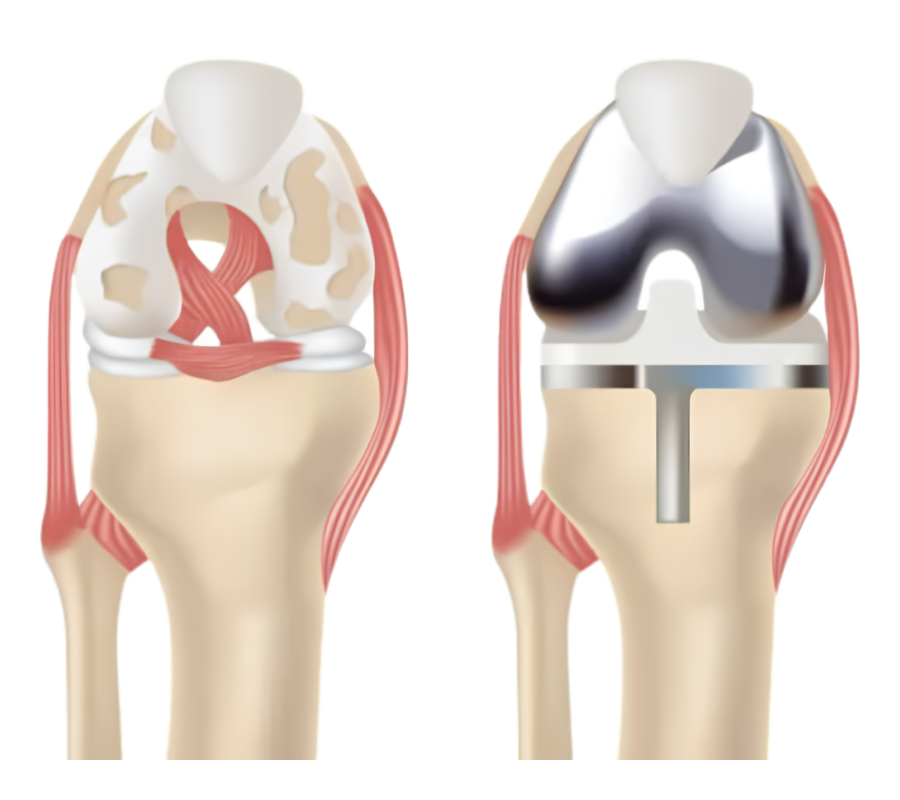
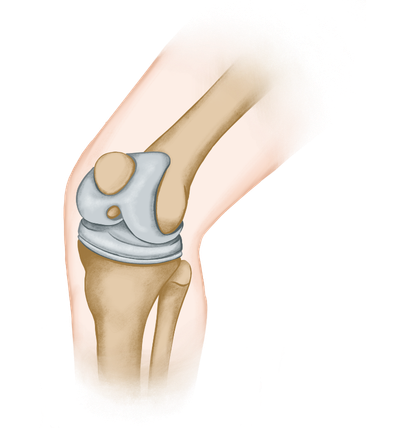
Joint replacement surgery involves removing damaged portions of a joint and replacing them with artificial components designed to restore joint movement and reduce pain. It is most commonly performed for advanced arthritis affecting the knee or hip, although replacement procedures are also available for selected other joints.
Joint replacement is generally considered when significant joint damage causes persistent pain and functional limitations despite appropriate non-surgical treatment. A detailed assessment helps determine whether surgery is appropriate and which type of replacement best suits your condition.
Who May Be at Higher Risk?
Not everyone with arthritis requires joint replacement. The decision is based on symptoms, imaging findings, functional limitations, overall health, and response to other treatments. Joint replacement may be considered for patients with significant joint damage affecting mobility and quality of life.

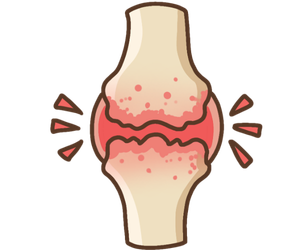
Advanced Osteoarthritis
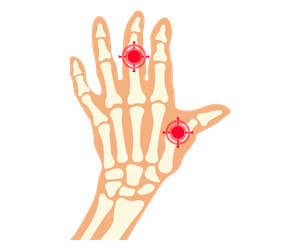
Rheumatoid Arthritis
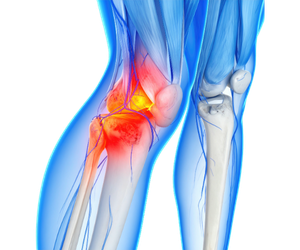
Severe Knee Damage
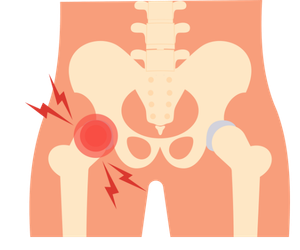
Severe Hip Damage
Joint Damage After Injury
Avascular Necrosis
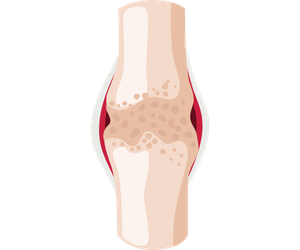
Severe Joint Deformity
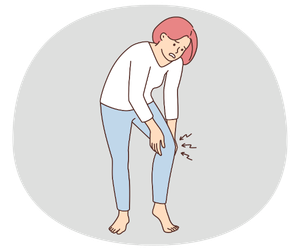
Persistent Pain Despite Treatment
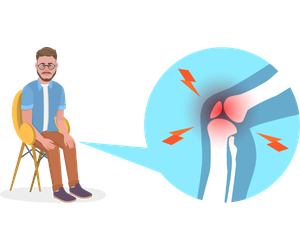
Significant Loss of Mobility
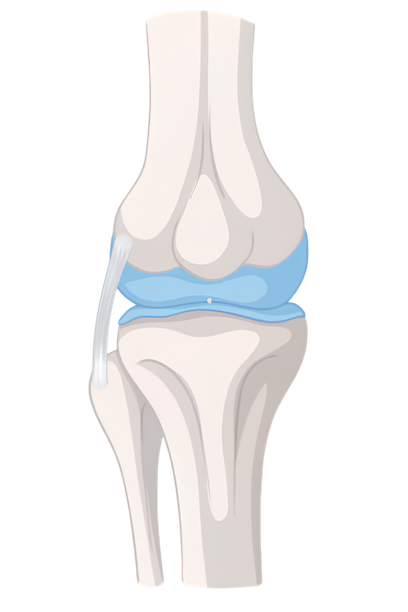
Choosing the Right Joint Replacement Treatment Starts with Careful Evaluation
Joint replacement is not the same for every patient. The most appropriate procedure depends on the joint being treated, extent of damage, bone quality, age, activity level, overall health, and how severely the condition affects daily life.
- Joint affected and extent of damage
- Severity of pain and stiffness
- Degree of cartilage and bone damage
- Age and activity level
- Bone quality and overall health
- Previous injuries or surgeries
- Alignment and stability of the joint
- Response to non-surgical treatments
- Mobility and long-term functional goals

Care
Patient-Centered

Compassion
Human Touch

Cure
Trusted Outcomes

Joint Replacement Treatment Options
The type of joint replacement depends on the affected joint, severity of damage, and individual patient requirements.

Total Knee Replacement
Damaged portions of the knee joint are replaced with artificial components to reduce pain, correct deformity, and restore mobility in patients with advanced knee arthritis.

Partial Knee Replacement
For selected patients where arthritis is limited to one part of the knee, only the damaged portion may be replaced while preserving healthy areas of the joint.

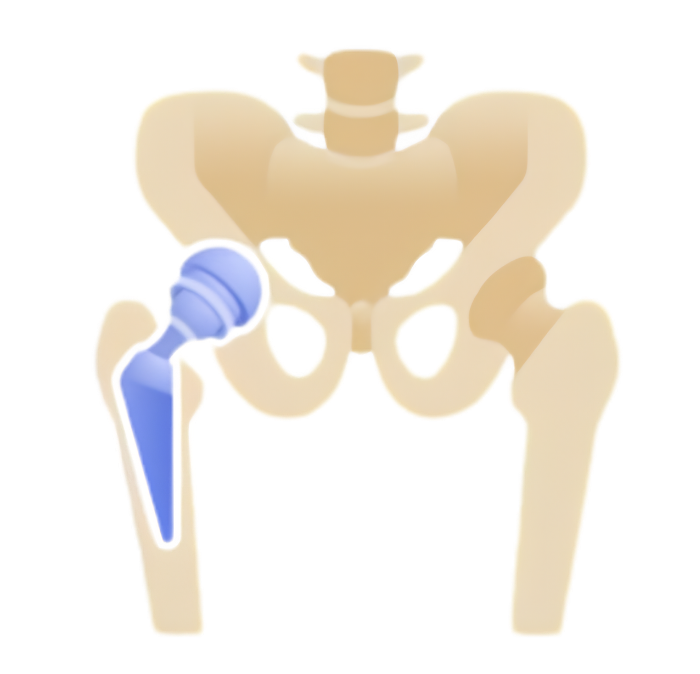
Total Hip Replacement
The damaged ball-and-socket components of the hip are replaced with artificial implants to relieve pain and improve movement in patients with severe hip joint disease.

Hip Replacement for Avascular Necrosis
Patients with advanced avascular necrosis and significant damage to the hip joint may benefit from replacement surgery when the affected bone can no longer support normal joint function.

Revision Joint Replacement
A previously implanted joint may sometimes require revision because of loosening, wear, infection, instability, or other complications.

Computer-Assisted Joint Replacement
Technology-assisted planning may help surgeons assess alignment and positioning during selected joint replacement procedures.

Joint Replacement After Trauma
Severe joint damage following fractures or major injuries may require replacement when normal joint reconstruction is not possible or unlikely to provide adequate function.

Joint Replacement Rehabilitation
Structured physiotherapy and rehabilitation following surgery help restore strength, flexibility, balance, and confidence during recovery.
Frequently Asked Question
When should I consider joint replacement surgery?
Joint replacement may be considered when severe joint pain, stiffness, or reduced mobility significantly affects daily life and does not improve adequately with appropriate non-surgical treatment.
Does everyone with arthritis need a joint replacement?
No. Many patients with arthritis can manage their symptoms through medication, physiotherapy, lifestyle changes, injections, and other treatments. Replacement is considered when joint damage and symptoms become severe.
How long does a joint replacement take to recover from?
Recovery varies between patients and depends on the joint replaced, overall health, and rehabilitation progress. Many patients begin walking soon after surgery, while strength and full functional recovery continue over the following weeks and months.
Will I be able to walk normally after joint replacement?
Most patients aim to regain comfortable walking and improved mobility following successful joint replacement and rehabilitation. The outcome depends on the condition of the joint, overall health, muscle strength, and commitment to rehabilitation.
How long can a joint replacement last?
Modern joint replacements are designed for long-term use. Their lifespan varies depending on factors such as implant type, activity level, body weight, bone quality, and overall joint health.
Is physiotherapy necessary after joint replacement?
Yes. Rehabilitation is an important part of recovery. Physiotherapy helps restore movement, strengthen surrounding muscles, improve balance, and support a safe return to daily activities.
Take the Next Step Towards Comfortable Movement
Book a consultation with our joint replacement team at VED Hospital to understand whether joint replacement is right for you and take the next step towards improved mobility and a more active life.