

Ovarian Cancer Treatment in Mumbai
Expert Care for Ovarian Cancer with the Right Treatment at Every Stage
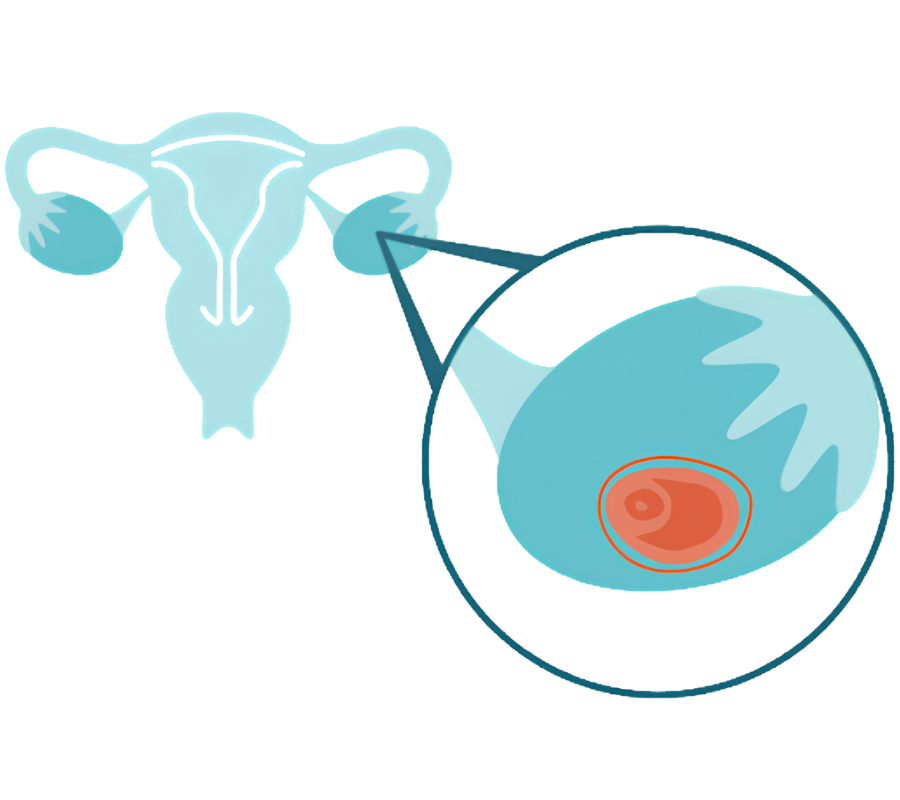
Ovarian cancer develops when abnormal cells grow in one or both ovaries. Because its early symptoms are often subtle and may resemble common digestive or urinary problems, many women are diagnosed after symptoms have persisted for some time. At VED Hospital, every patient undergoes a comprehensive evaluation to determine the stage of the cancer and the most appropriate combination of surgery, chemotherapy, targeted therapy, immunotherapy, or other treatments.
Whether you’ve recently been diagnosed with ovarian cancer, have persistent abdominal symptoms, or are seeking a second opinion, our multidisciplinary cancer team is here to guide you through every stage of diagnosis, treatment, and recovery.
What Brings You Here Today?
The symptoms of ovarian cancer can be vague and are often mistaken for everyday digestive problems. If any of these situations sound familiar, it’s important to seek specialist evaluation.
I've Been Feeling Bloated for Weeks
Persistent abdominal bloating that doesn't improve should always be medically evaluated.
I Feel Full After Eating Very Little
Feeling unusually full after small meals may require further investigation.
I've Been Having Persistent Pelvic Pain
Ongoing pelvic discomfort or pressure should not be ignored.
I've Been Diagnosed with Ovarian Cancer
Understanding your treatment options can help you make informed decisions with confidence.
I've Been Advised to Undergo Surgery
Learning about ovarian cancer surgery and other treatment options can help you prepare for the next steps.
I'm Looking for a Second Opinion
A specialist review can help confirm your diagnosis and discuss the most appropriate treatment plan.
Understanding Ovarian cancer
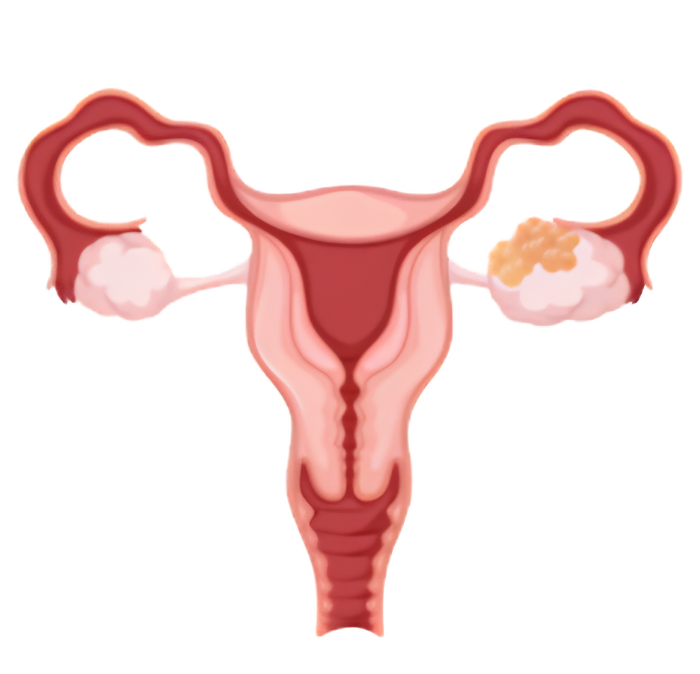
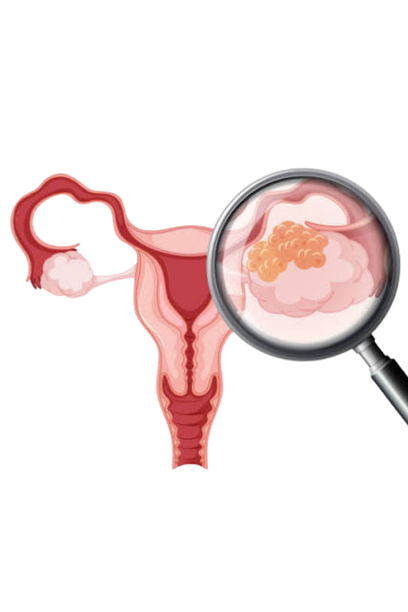
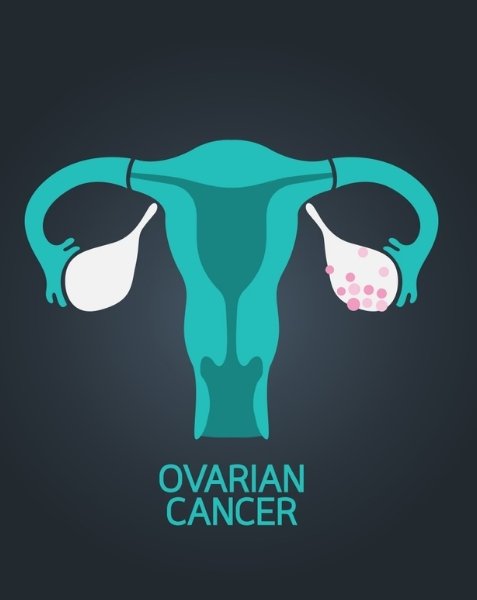
Ovarian cancer begins when abnormal cells develop within the ovaries, the organs responsible for producing eggs and female hormones. There are different types of ovarian cancer, and treatment depends on the type of tumour, the stage of the disease, and your overall health. Because early symptoms are often non-specific, timely evaluation is important whenever symptoms persist.
When diagnosed early, ovarian cancer may be treated with surgery and additional therapies that improve long-term outcomes.
Who May Be at Higher Risk?
Having one or more risk factors does not necessarily mean you will develop breast cancer. Likewise, many people diagnosed with breast cancer have no known risk factors. Although breast cancer can occur in anyone, certain factors may increase the likelihood of developing the disease, including:

Increasing Age

BRCA Gene Mutations

Family History

Inherited Genetic Conditions

Never Having Been Pregnant

Increasing Age After Menopause

Endometriosis

Hormonal Factors

Obesity
Symptoms That Shouldn't Be Ignored
Early assessment helps determine whether these symptoms are related to ovarian cancer or another gynecological condition. Persistent symptoms that continue for several weeks deserve specialist evaluation.
- Persistent abdominal bloating
- Pelvic or lower abdominal pain
- Feeling full after small meals
- Frequent or urgent urination
- Unexplained weight loss
- Increase in abdominal size
- Changes in bowel habits
- Persistent fatigue or weakness

Care
Patient-Centered

Compassion
Human Touch
Cure
Trusted Outcomes

Ovarian Cancer Treatment Options
The recommended treatment depends on the stage of the disease, tumour characteristics, and your overall health. In many cases, treatment involves more than one approach.

Ovarian Cancer Surgery
Surgery is the primary treatment for most women with ovarian cancer. The procedure may involve removal of the ovaries, fallopian tubes, uterus, nearby lymph nodes, and any visible tumour deposits depending on the extent of the disease.

Chemotherapy
Chemotherapy is commonly recommended after surgery and, in some cases, before surgery to shrink the tumour and improve surgical outcomes.

Targeted Therapy
Selected patients may benefit from targeted medicines that act on specific genetic or molecular changes identified through specialised testing.

Immunotherapy
Immunotherapy may be considered for selected women with advanced or recurrent ovarian cancer depending on the tumour's molecular profile.

Fertility-Preserving Surgery
For carefully selected women with early-stage disease who wish to preserve fertility, limited surgery may be considered after detailed evaluation.

Treatment for Ovarian Cancer
When the cancer has spread beyond the ovaries, treatment focuses on reducing tumour burden, controlling the disease, relieving symptoms, and improving quality of life through a combination of therapies.

Long-Term Follow-Up
Regular follow-up visits, clinical examinations, tumour marker assessment, imaging, and ongoing evaluation help monitor recovery, assess treatment response, and detect recurrence at an early stage.
Finding the Right Diagnosis Before Treatment
Before recommending treatment, our specialists carefully evaluate the tumour, its extent, and your overall health to determine the most appropriate treatment strategy.

Medical History
Understanding your symptoms, menstrual history, family history, previous medical conditions, and overall health.

Clinical & Pelvic Examination
A detailed gynecological examination helps assess the condition and guides further investigations.

Blood Tests & Tumour Markers
Blood investigations, including tumour markers such as CA-125 where appropriate, provide important information during evaluation.

Advanced Imaging
Ultrasound, CT scan, MRI, or PET-CT helps determine the size of the tumour, lymph nodes, and possible spread.

Biopsy & Cancer Staging
Surgical findings, biopsy results, and imaging are combined to accurately determine the stage of the disease.

Treatment Planning
Our gynecologic oncology, medical oncology,, pathologyteams review all findings before recommending the most appropriate treatment plan.

Frequently Asked Question
Is surgery necessary for every woman with ovarian cancer?
For most women, surgery is an important part of treatment. Depending on the stage of the disease, chemotherapy may be given before or after surgery to improve treatment outcomes.
Can ovarian cancer be treated without surgery?
Some women with advanced disease or certain medical conditions may begin treatment with chemotherapy before surgery. The treatment plan is decided after a detailed evaluation by the cancer team.
Will both ovaries need to be removed?
In many cases, both ovaries are removed as part of cancer surgery. However, selected women with very early-stage disease who wish to preserve fertility may be suitable for limited surgery after careful assessment.
What is the CA-125 blood test?
CA-125 is a tumour marker that may help support diagnosis and monitor response to treatment. It is interpreted together with imaging findings and other clinical information.
How often will I need follow-up after treatment?
Follow-up usually includes clinical examinations, tumour marker tests, imaging when required, and regular assessments to monitor recovery and detect recurrence early.
Can ovarian cancer come back after treatment?
Although many women respond well to treatment, recurrence is possible. Regular follow-up helps identify any recurrence early, allowing timely evaluation and further treatment if required.
Take the Next Step Towards Expert Ovarian Cancer Care
Book a consultation with our cancer specialists at VED Hospital to discuss your diagnosis, understand your treatment options, and receive expert guidance for ovarian cancer treatment.