
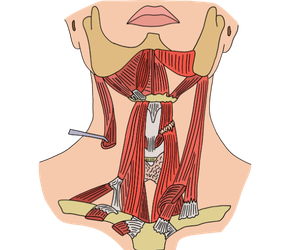
Transoral Robotic Surgery (TORS) in Mumbai
Advanced Robotic Surgery for Selected Head & Neck Cancers
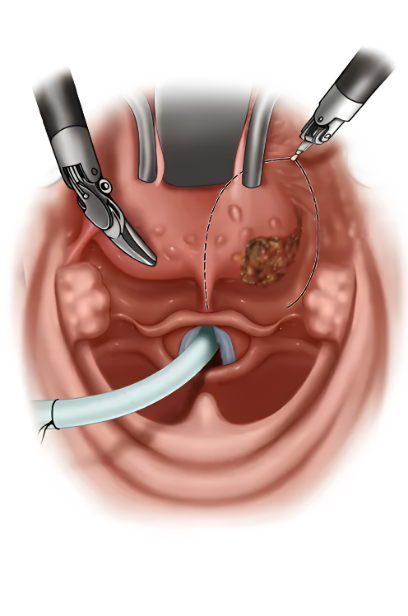
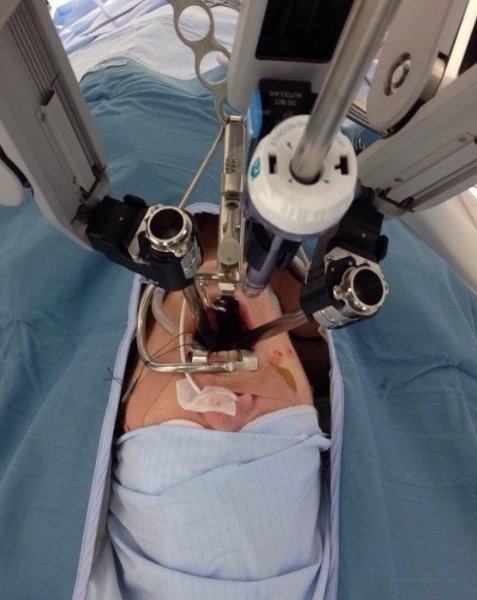
Transoral Robotic Surgery (TORS) is an advanced minimally invasive technique used to treat selected cancers of the throat, tongue, and oropharynx. Using robotic-assisted technology, surgeons can access difficult-to-reach areas through the mouth without making external neck incisions. At VED Hospital, our surgical team carefully evaluates each patient to determine whether TORS is the most appropriate treatment while aiming to preserve important functions such as speaking, swallowing, and breathing.
Whether you’ve been diagnosed with an early-stage throat cancer, cancer at the base of the tongue, or have been advised to consider robotic surgery, our specialists will help you understand your treatment options and guide you through every step of your care.
What Brings You Here Today?
Transoral Robotic Surgery is recommended only for carefully selected patients. You may benefit from specialist evaluation if any of these situations sound familiar.
I've Been Diagnosed with Throat Cancer
Certain cancers of the throat may be suitable for treatment using robotic-assisted surgery.
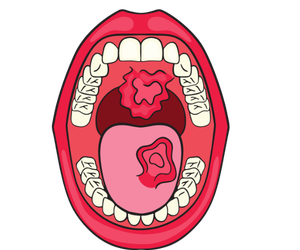
I Have a Tumour at the Base of My Tongue
Some tongue base tumours can be accessed more effectively using robotic surgical techniques.
I've Been Advised to Consider Robotic Surgery
Learning how robotic-assisted surgery differs from conventional surgery can help you make an informed decision.
I'm Looking for a Less Invasive Surgical Option
For selected patients, TORS allows surgeons to operate through the mouth without external incisions.
I'm Looking for a Second Opinion
Understanding all available treatment options helps you choose the most appropriate approach for your condition.
I Want to Know If I'm Eligible for TORS
Not every patient is suitable for robotic surgery, and a detailed specialist evaluation is essential.
Understanding Transoral Robotic Surgery (TORS)
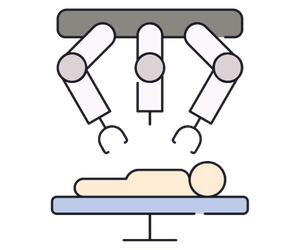
Transoral Robotic Surgery is a minimally invasive procedure that uses robotic-assisted surgical instruments controlled by the surgeon to remove selected tumours through the mouth. The robotic system provides a magnified three-dimensional view and allows precise movements within areas that may be difficult to access using conventional surgical techniques.
TORS is not suitable for every head and neck cancer. Careful evaluation is necessary to determine whether the tumour’s location, size, and stage make robotic surgery an appropriate treatment option.
Who May Be Suitable for TORS?
Not every patient diagnosed with head and neck cancer is a candidate for TORS. Treatment recommendations are based on detailed clinical evaluation, imaging findings, and multidisciplinary discussion. Transoral Robotic Surgery may be considered for selected patients after comprehensive evaluation.

Early Oropharyngeal Cancer

Base of Tongue Tumours

HPV-Associated Throat Cancer

Small to Moderate-Sized Tumours

Patients Seeking Organ Preservation
Patients Fit for Minimally Invasive Surgery
Selected Recurrent Tumours

Benign or Precancerous Lesions

Patients Requiring Precise Surgical Access
When Should You Consider Specialist Evaluation?
Persistent symptoms affecting the mouth or throat should always be evaluated, particularly when they continue despite routine treatment. Early evaluation helps determine whether Transoral Robotic Surgery or another treatment approach is the most appropriate option.
- Persistent sore throat
- Difficulty swallowing
- Voice changes lasting several weeks
- A lump in the neck
- Persistent mouth or throat ulcer
- Blood in saliva
- Difficulty opening the mouth
- A biopsy confirming or suggesting cancer

Care
Patient-Centered

Compassion
Human Touch

Cure
Trusted Outcomes

Understanding Your Treatment Options
The most appropriate treatment depends on the type, location, and stage of the cancer. While TORS is an excellent option for selected patients, other treatments may be recommended based on the clinical findings.

Transoral Robotic Surgery (TORS)
For suitable patients, robotic-assisted instruments are used to remove the tumour through the mouth, offering excellent surgical precision while avoiding external neck incisions.

Conventional Head & Neck Surgery
When the tumour is larger or extends into surrounding structures, conventional open surgery may provide the safest and most effective treatment.

Neck Dissection
If investigations suggest that cancer has spread to nearby lymph nodes, removal of selected lymph nodes may be recommended as part of comprehensive cancer treatment.

Radiation Therapy
Radiation therapy may be advised after surgery or as part of combined treatment to reduce the risk of recurrence in selected patients.

Chemotherapy
Some patients may benefit from chemotherapy alongside radiation therapy or for advanced cancers, depending on the pathology findings and stage of the disease.

Speech & Swallowing Rehabilitation
Depending on the area treated, rehabilitation may be recommended to improve swallowing, speech, and overall function during recovery.

Long-Term Monitoring
Care continues even after active treatment is completed. Regular follow-up appointments, clinical examinations, and imaging help monitor recovery, detect any recurrence early, and address treatment-related concerns.

Regular Follow-Up
Routine clinical examinations, endoscopy, and imaging help monitor healing, assess treatment outcomes, and detect recurrence at an early stage.

Finding the Right Diagnosis Starts with Understanding the Whole Picture
Before recommending Transoral Robotic Surgery, our specialists carefully assess the tumour, surrounding structures, and overall health to determine whether robotic-assisted surgery is suitable.

Medical History
Reviewing your symptoms, medical history, previous treatments, lifestyle factors, and overall health.

Comprehensive Head & Neck Examination
A detailed examination helps assess the location, size, and extent of the tumour.

Endoscopic Assessment
Specialised endoscopy provides a clear view of the tumour and helps determine whether it can be safely accessed through the mouth.

Imaging & Biopsy
CT scan, MRI, PET-CT, and biopsy findings help confirm the diagnosis, determine the stage, and plan surgery.

Robotic Surgery Assessment
The surgical team evaluates whether the tumour's size, location, and airway anatomy are suitable for Transoral Robotic Surgery.

Multidisciplinary Treatment Planning
The oncology, head & neck surgery, radiology, and pathology teams review all findings before recommending the most appropriate treatment approach.

Frequently Asked Question
Will robotic surgery leave a visible scar?
Since the surgery is performed through the mouth, most patients do not have an external scar related to the robotic procedure itself.
Will I still need radiation or chemotherapy after TORS?
Some patients may require additional treatment depending on the final pathology findings and stage of the cancer. Your oncology team will discuss this after surgery.
How long does recovery take after TORS?
Recovery varies from patient to patient. Factors such as the extent of surgery and your general health influence healing, and your care team will provide detailed recovery guidance.
Can cancer return after robotic surgery?
As with any cancer treatment, recurrence is possible. Regular follow-up appointments, endoscopic examinations, and imaging are important for monitoring your recovery and detecting any recurrence early.
Take the Next Step Towards Advanced Robotic Head & Neck Cancer Care
If you’ve been diagnosed with a head or neck cancer or would like to know whether Transoral Robotic Surgery is suitable for your condition, timely specialist evaluation can help you understand your treatment options. Book a consultation with our surgical team at VED Hospital to discuss your diagnosis, explore robotic-assisted surgical options, and receive expert guidance for your treatment.