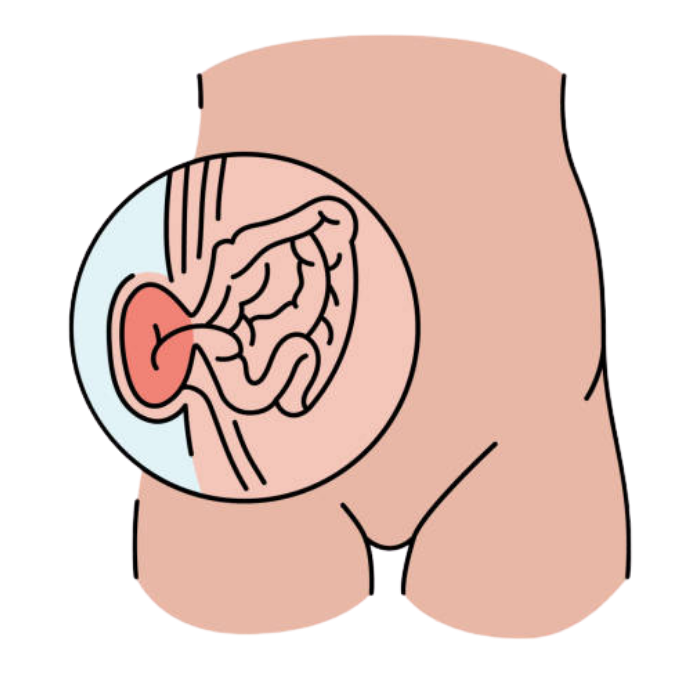


Hernia Surgery in Mumbai
Advanced Surgical Care to Repair Hernias & Restore Abdominal Wall Strength
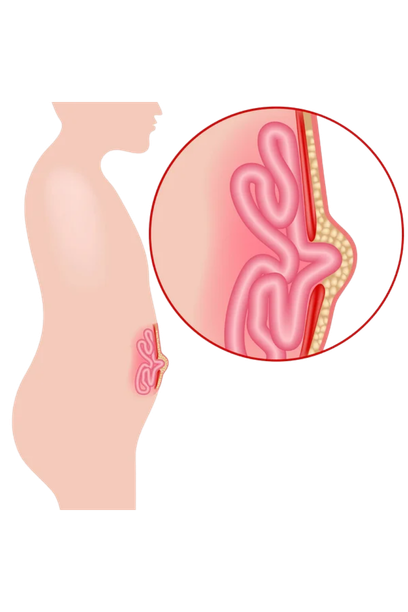
A hernia occurs when an internal organ or tissue pushes through a weakened area of the surrounding muscle or connective tissue. It commonly appears as a swelling or bulge in the abdomen or groin and may become more noticeable while coughing, lifting, standing, or straining. While some hernias may initially cause little discomfort, they can gradually increase in size and may lead to complications if left untreated.
At VED Hospital, our general surgery team provides comprehensive evaluation and surgical treatment for different types of hernias. Depending on the type, size, location, symptoms, and overall health, treatment may involve open repair or minimally invasive laparoscopic surgery. Our goal is to repair the weakened area, relieve symptoms, and help patients return to their routine safely.
What Brings You Here Today?
Hernias can develop gradually and may not always cause pain in the beginning. If any of these situations sound familiar, specialist evaluation can help determine the right treatment.
I've Noticed a Bulge or Swelling
A visible or palpable lump in the abdomen or groin may be an early sign of a hernia.
The Swelling Appears While Standing
Some hernias become more noticeable when standing, coughing, lifting, or straining.
I Have Pain or Discomfort Around the Bulge
A hernia may cause aching, heaviness, pressure, or discomfort, especially during physical activity.
The Bulge Is Getting Larger
A gradually increasing swelling may indicate that the weakened area is becoming more pronounced.
I've Been Diagnosed with a Hernia
Understanding the type, size, and treatment options can help determine whether surgical repair is necessary.
I'm Looking for a Second Opinion
A specialist evaluation can confirm the diagnosis and help you understand whether observation or surgery is appropriate.
Understanding Hernia
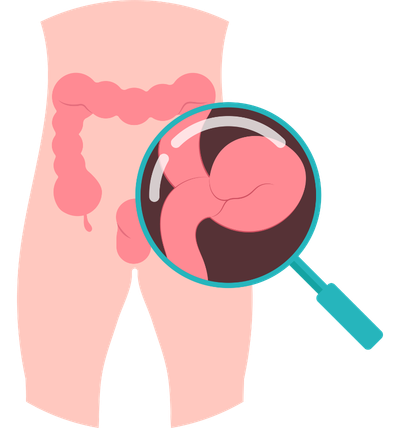
A hernia develops when tissue pushes through a weak point in the muscle or connective tissue that normally holds it in place. Hernias most commonly occur in the abdomen or groin, although they can develop in other areas as well.
Some hernias may remain relatively painless, while others can cause discomfort, restricted activity, or complications. Once a hernia develops, it generally does not repair itself without treatment. The need for surgery depends on factors such as the type and size of the hernia, symptoms, progression, and risk of complications.
Who May Be at Higher Risk?
Having one or more risk factors does not necessarily mean you will develop breast cancer. Likewise, many people diagnosed with breast cancer have no known risk factors. Although breast cancer can occur in anyone, certain factors may increase the likelihood of developing the disease, including:

Heavy Lifting

Chronic Coughing

Chronic Constipation

Obesity

Pregnancy

Ageing

Family History
Previous Abdominal Surgery

Abdominal Muscle Weakness
Choosing the Right Hernia Surgery Starts with Careful Evaluation
Not every hernia requires the same surgical approach. The appropriate treatment depends on the type, size, location, symptoms, previous surgeries, and overall health. Our general surgeons carefully evaluate each hernia before recommending the most suitable repair technique.
- Type and location of the hernia
- Size and extent of the abdominal wall defect
- Severity and duration of symptoms
- Whether the hernia is reducible
- Previous abdominal surgeries
- Presence of obstruction or complications
- Age and overall health
- Activity level and lifestyle requirements
- Risk of recurrence after repair

Care
Patient-Centered

Compassion
Human Touch

Cure
Trusted Outcomes

Hernia Surgery Options
The surgical technique is selected according to the type and complexity of the hernia and the individual patient’s requirements.

Open Hernia Repair
A surgical incision is made over the affected area to return the protruding tissue to its normal position and repair the weakened abdominal wall.

Laparoscopic Hernia Repair
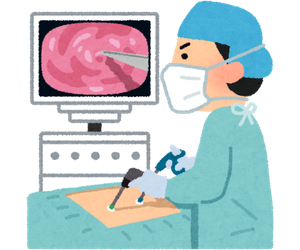
Small incisions are used to access and repair the hernia with specialised instruments and a camera, when this approach is appropriate.

Mesh Hernia Repair
A surgical mesh may be placed over or around the weakened area to reinforce the abdominal wall and reduce the risk of recurrence.

Inguinal Hernia Repair
Surgical repair of hernias occurring in the groin, one of the most common types of abdominal wall hernia.

Incisional Hernia Repair
Previous abdominal surgical sites can become weak over time. Incisional hernia repair restores strength to the affected area.

Umbilical & Paraumbilical Hernia Repair
Hernias occurring around the belly button may be repaired using an appropriate open or minimally invasive technique depending on their size and characteristics.

Complex & Recurrent Hernia Repair
Large or previously repaired hernias may require detailed planning and specialised surgical techniques to restore the abdominal wall.

Emergency Hernia Surgery
A hernia causing obstruction, strangulation, severe pain, or compromised blood supply may require urgent surgical treatment to prevent serious complications.
Frequently Asked Question
Does every hernia require surgery?
Not every hernia needs immediate surgery. Small, minimally symptomatic hernias may sometimes be monitored, while symptomatic, enlarging, or complicated hernias are more likely to require repair.
Can a hernia heal without surgery?
A true abdominal wall hernia generally does not close on its own. Lifestyle measures may help manage symptoms, but definitive repair usually requires surgery when treatment is indicated.
Is laparoscopic hernia surgery better than open surgery?
Both approaches can be effective. The most suitable technique depends on the type, size, location, previous surgeries, and complexity of the hernia. Your surgeon will recommend the approach appropriate for your condition.
Is mesh always required during hernia repair?
Mesh is commonly used to reinforce the abdominal wall in many hernia repairs, but it is not appropriate or necessary in every situation. The decision depends on the type and size of the defect and the surgical technique being used.
How long does recovery take after hernia surgery?
Recovery varies depending on the type of hernia, surgical technique, and overall health. Many patients gradually return to normal activities within a few weeks, while strenuous lifting may need to be avoided for longer as advised by the surgeon.
Can a hernia come back after surgery?
There is a possibility of recurrence after hernia repair. Appropriate surgical planning, proper technique, maintaining a healthy weight, following activity restrictions, and attending follow-up appointments can help reduce the risk.
Take the Next Step Towards Effective Hernia Care
Book a consultation with our general surgery team at VED Hospital to understand your hernia treatment options and take the right step towards restoring abdominal wall strength and comfortable movement.