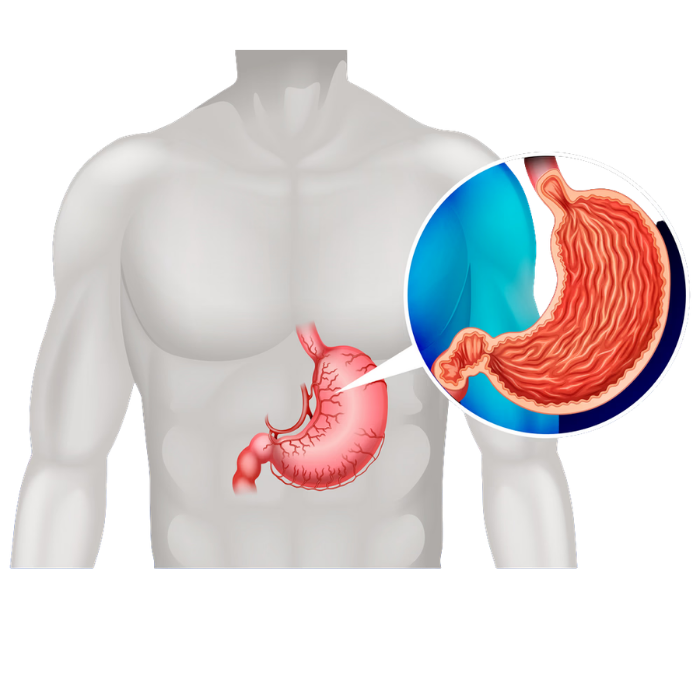


Gastrointestinal Cancer Treatment

Specialised Cancer Care for Tumours of the Digestive System

Gastrointestinal cancers can affect different parts of the digestive system, including the oesophagus, stomach, liver, gall bladder, pancreas, colon, rectum, and anus. Each cancer behaves differently and may require a combination of surgery, chemotherapy, radiation therapy, targeted treatment, or other specialised approaches.

At VED Hospital, our gastrointestinal cancer team provides evaluation, diagnosis, treatment planning, and surgical care for cancers affecting the digestive system. Treatment is planned according to the type, stage, location, and extent of cancer, with the aim of providing appropriate and timely care at every stage.

Whether you have recently been diagnosed with a gastrointestinal cancer, have been advised to undergo surgery, or are looking for a second opinion, our specialists can help you understand your condition and available treatment options.

What Brings You Here Today?

Gastrointestinal cancers can present with symptoms that may initially appear similar to common digestive problems. Persistent or unexplained changes should be evaluated by a specialist.

Understanding Gastrointestinal Cancer

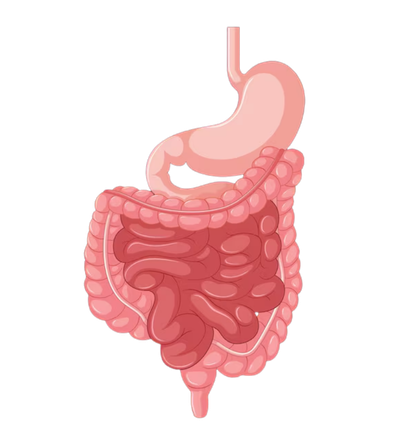
Gastrointestinal cancer refers to cancers that develop in different organs and structures involved in digestion. These include the oesophagus, stomach, small and large intestine, rectum, anus, liver, gall bladder, and pancreas.

The symptoms, treatment, and prognosis vary considerably depending on where the cancer begins. Early diagnosis and accurate staging are important for determining whether surgery, systemic treatment, radiation therapy, or a combination of treatments is most appropriate.

What Can Increase the Risk of Gastrointestinal Cancer?

Several factors may increase the risk of developing gastrointestinal cancers, although having a risk factor does not necessarily mean that a person will develop cancer.

Increasing Age

Excessive alcohol consumption

Family history of certain cancers
Certain long-standing digestive conditions
Inflammation of the digestive tract

Obesity and physical inactivity

Certain infections

Unhealthy dietary patterns

Smoking and tobacco use
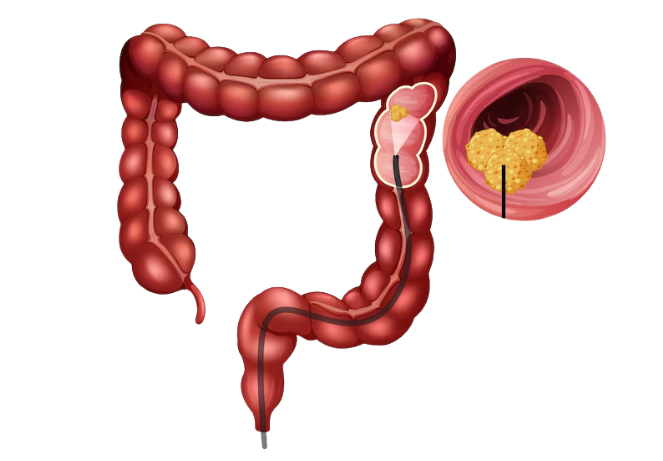
Gastrointestinal Cancers We Treat

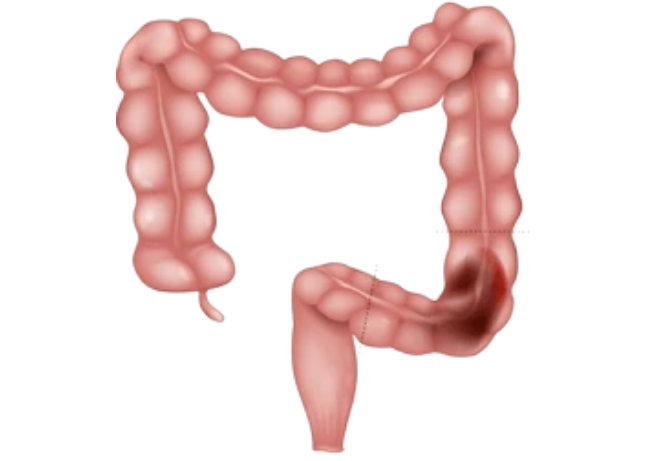
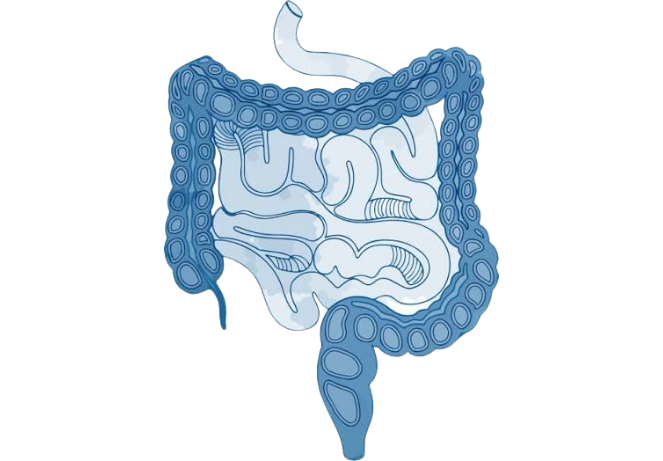
Colon Cancer

Cancer affecting the large intestine may cause changes in bowel habits, bleeding, abdominal discomfort, or unexplained weight loss.

Rectum Cancer

This develops in the lower portion of the large intestine and may cause bleeding, altered bowel habits, or a feeling of incomplete bowel emptying.

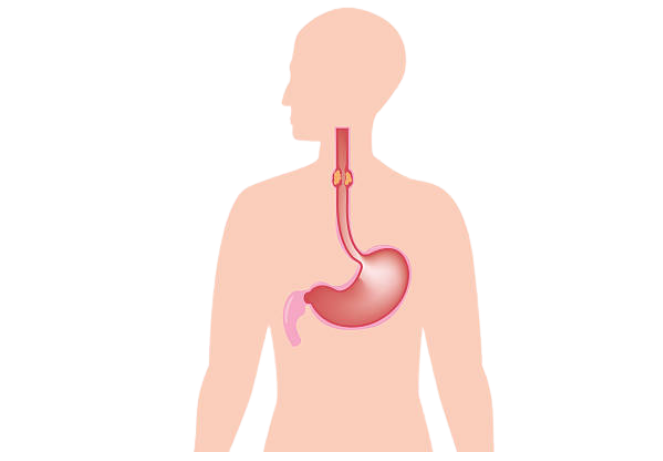
Esophagus Cancer

Oesophageal cancer can affect swallowing and may cause persistent difficulty swallowing, chest discomfort, or unexplained weight loss.

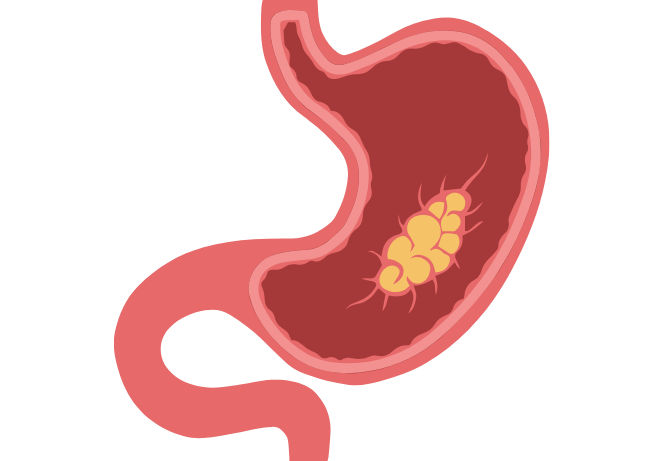
Stomach Cancer

Stomach cancer may cause persistent indigestion, abdominal discomfort, reduced appetite, vomiting, or unexplained weight loss.

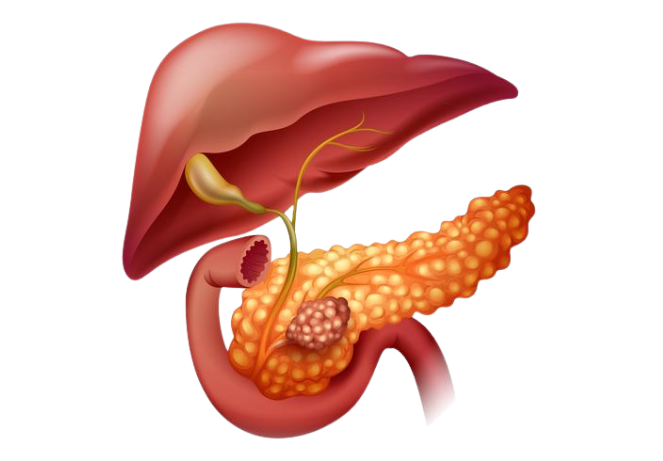
Pancreas Cancer

Pancreatic cancer can develop silently and may cause abdominal or back pain, jaundice, appetite changes, and unexplained weight loss.

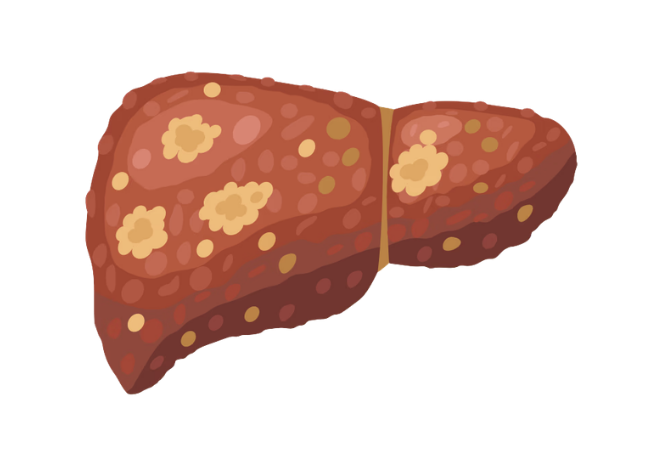
Liver Cancer

Liver cancer can develop within the liver and may cause abdominal discomfort, jaundice, weight loss, or changes in liver function.

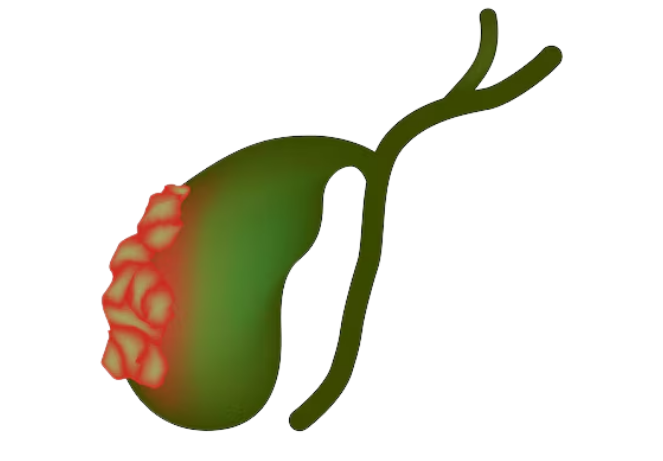
Gall Bladder Cancer

It is uncommon and may be discovered incidentally or present with abdominal discomfort, jaundice, or other digestive symptoms.

Anorectal Cancer

Cancers affecting the anus or lower rectum may cause bleeding, pain, altered bowel habits, or a persistent lump around the anal region.

Choosing the Right Gastrointestinal Cancer Treatment

The treatment plan may involve one treatment or a combination of approaches depending on the cancer and the patient’s overall health. Treatment depends on the type, location, stage, and extent of cancer. Depending on the individual case, treatment may involve:

Care

Patient-Centered

Compassion

Human Touch

Cure

Trusted Outcomes

Gastrointestinal Cancer Treatment Options

The treatment approach varies according to the type and stage of gastrointestinal cancer.

Cancer Surgery

Surgery may be recommended to remove the primary tumour and surrounding tissues when complete removal is possible.

Minimally Invasive Cancer Surgery

Selected gastrointestinal tumours may be treated using laparoscopic or other minimally invasive techniques to reduce surgical trauma.

Open Cancer Surgery

Complex or advanced tumours may require open surgery to provide adequate access for complete tumour removal.

Chemotherapy

Anti-cancer medicines may be used before surgery, after surgery, or as the main treatment depending on the type and stage of cancer.

Radiation Therapy

Radiation may be recommended for selected gastrointestinal cancers to control the tumour before or after surgery or to manage symptoms.

Targeted Therapy

Targeted medicines may be considered when specific molecular or genetic features of the cancer make these treatments appropriate.

Immunotherapy

Certain gastrointestinal cancers may respond to medicines that help the immune system recognise and attack cancer cells.

Cytoreductive Surgery

Selected cancers that have spread within the abdominal cavity may be treated with surgery to remove visible tumour deposits.

Frequently Asked Question

What types of cancer are considered gastrointestinal cancers?

Gastrointestinal cancers include cancers of the oesophagus, stomach, colon, rectum, anus, liver, gall bladder, and pancreas, among other digestive system organs.

Does every gastrointestinal cancer require surgery?

No. Treatment depends on the cancer type, stage, location, and overall health. Surgery may be combined with chemotherapy, radiation, targeted therapy, or immunotherapy when appropriate.

What is the role of chemotherapy in gastrointestinal cancer?

Chemotherapy may be used before surgery to reduce tumour size, after surgery to reduce the risk of recurrence, or as a primary treatment for certain advanced cancers.

What is cytoreductive surgery?

Cytoreductive surgery is performed to remove visible tumour deposits from the abdominal cavity in selected patients whose cancer has spread within the abdomen.

Is HIPEC suitable for every gastrointestinal cancer patient?

No. HIPEC is a specialised treatment used only for carefully selected patients based on the cancer type, extent of abdominal disease, overall health, and possibility of achieving adequate tumour removal.

Can gastrointestinal cancer return after treatment?

Some gastrointestinal cancers can recur after treatment. Regular follow-up and surveillance are important for monitoring recovery and detecting recurrence as early as possible.

Take the Next Step Towards Specialised Gastrointestinal Cancer Care

Book a consultation with our gastrointestinal cancer team at VED Hospital to discuss your diagnosis, understand your treatment pathway, and receive specialised cancer care.

Scroll to Top