Retroperitoneal Tumour Surgery in Mumbai
Specialised Surgical Care for Tumours Located Deep Within the Abdomen
Retroperitoneal tumours develop in the space behind the abdominal organs, an area that contains important blood vessels, nerves, kidneys, ureters, and other structures. These tumours may be benign or malignant and can sometimes grow considerably before causing noticeable symptoms. Because of their location and close relationship with vital structures, their evaluation and surgical treatment require specialised expertise and careful planning.
At VED Hospital, our surgical team provides comprehensive evaluation and treatment for retroperitoneal tumours using detailed imaging, biopsy when appropriate, multidisciplinary planning, and advanced surgical techniques. The treatment approach is tailored according to the tumour’s type, size, location, involvement of surrounding structures, and overall health of the patient.
What Brings You Here Today?
Retroperitoneal tumours can present with non-specific symptoms or may be discovered incidentally during imaging for another condition. If any of these situations sound familiar, specialist evaluation can help determine the cause.
I've Been Diagnosed with a Retroperitoneal Tumour
A specialist assessment helps determine the tumour type, extent, and most appropriate treatment approach.
I've Noticed Persistent Abdominal or Back Discomfort
Deep-seated tumours may cause pressure or discomfort as they increase in size.
I Have an Unexplained Abdominal Mass
A newly detected mass requires detailed imaging and, when appropriate, tissue evaluation.
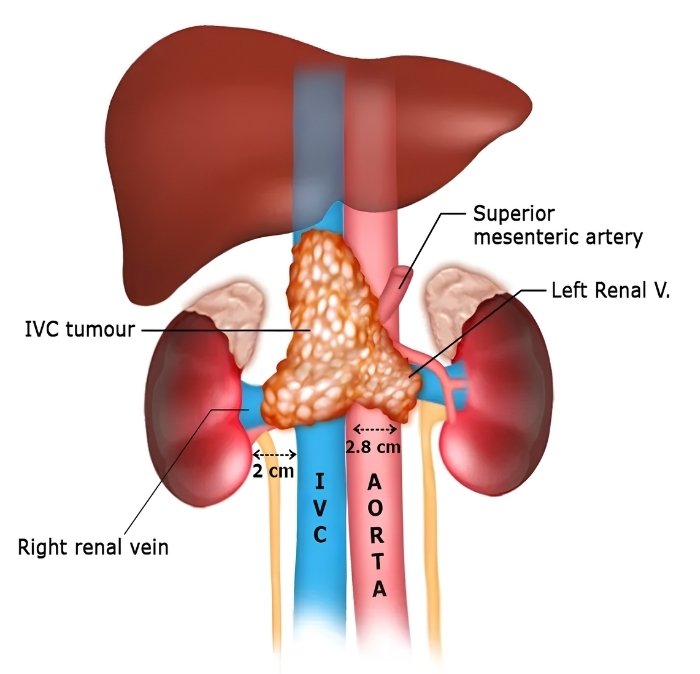
My Tumour Is Close to Major Blood Vessels or Organs
Tumours involving nearby structures require careful surgical planning to determine whether complete removal is possible.
I've Been Advised to Undergo Tumour Removal
Understanding the surgical procedure, possible risks, and recovery can help you prepare for treatment.
I'm Looking for a Second Opinion
A specialist review can help confirm the diagnosis and evaluate available surgical and non-surgical treatment options.
Understanding Retroperitoneal Tumours
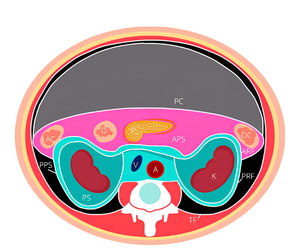
The retroperitoneum is a deep anatomical space located behind the abdominal cavity. It contains structures such as the kidneys, ureters, pancreas, major blood vessels, nerves, and lymphatic tissues. Tumours arising in this area are relatively uncommon and may originate from different types of tissues.
Some retroperitoneal tumours are benign, while others are malignant, including different types of soft tissue sarcomas. Because these tumours can grow around or displace important structures, determining their exact nature and extent is essential before treatment.
When Is Retroperitoneal Tumour Surgery Considered?
Surgery is often considered when the tumour can potentially be removed safely and completely, particularly when it is causing symptoms or has malignant potential.

Primary Retroperitoneal Tumours
Retroperitoneal Sarcomas
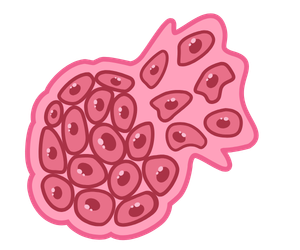
Large or Growing Tumours
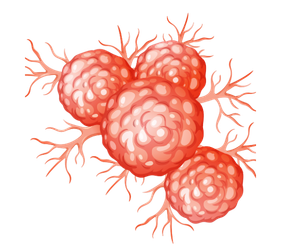
Symptomatic Tumours
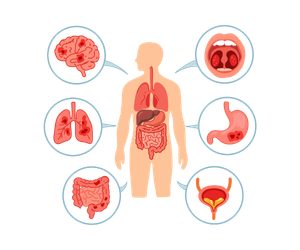
Tumours Affecting Nearby Organs
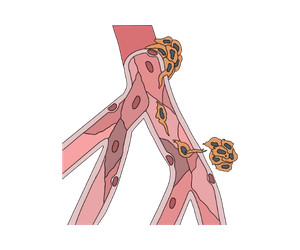
Tumours Near Major Blood Vessels
Recurrent Retroperitoneal Tumours
Tumours with Malignant Features
Selected Metastatic Tumours

Why Early Specialist Evaluation Matters
Retroperitoneal tumours can grow silently because of the large amount of space within the abdomen. Early specialist evaluation allows the tumour to be assessed before it becomes more extensive or involves additional critical structures. Early assessment may help:
- Establish the exact nature of the tumour
- Determine whether the tumour is potentially removable
- Identify involvement of nearby organs and vessels
- Plan surgery before the disease becomes more extensive
- Coordinate cancer treatment when required
- Reduce delays in specialist decision-making

Care
Patient-Centered

Compassion
Human Touch

Cure
Trusted Outcomes

Retroperitoneal Tumour Surgery Options
The surgical approach is selected according to the tumour’s location, pathology, extent, and involvement of surrounding structures.

Complete Tumour Resection
The primary goal of surgery is to remove the tumour completely with an appropriate margin of healthy tissue whenever safely possible.

Multivisceral Resection
Large or invasive tumours may require removal of one or more nearby organs along with the tumour to achieve complete disease clearance.

Kidney-Sparing Tumour Surgery
When technically and oncologically appropriate, efforts may be made to preserve an unaffected kidney while removing the tumour safely.

Nephrectomy When Required
If the tumour significantly involves or surrounds a kidney, removal of the affected kidney may be necessary as part of complete tumour resection.

Vascular Reconstruction
Tumours involving major blood vessels may require specialised vascular procedures or reconstruction as part of the surgical plan.

Bowel Resection When Required
If a retroperitoneal tumour involves or is closely attached to part of the bowel, bowel resection may be necessary to achieve adequate tumour removal.

Nerve-Sparing Surgery
Whenever possible, important nerves are identified and preserved during surgery while maintaining appropriate oncological clearance.

Surgery for Recurrent Tumours
Recurrent retroperitoneal tumours can be technically challenging because of previous surgery and scar tissue and require careful reassessment before considering further surgery.

Frequently Asked Question
Are all retroperitoneal tumours cancerous?
No. Retroperitoneal tumours can be benign or malignant. Imaging and, when appropriate, biopsy help determine the nature of the tumour and guide treatment.
Why can retroperitoneal tumours become very large?
The retroperitoneum is a deep space within the abdomen that can accommodate a growing mass before it causes significant symptoms. This is one reason some tumours are discovered at a larger size.
Does every retroperitoneal tumour require surgery?
No. Treatment depends on the tumour type, size, growth pattern, symptoms, location, and overall health. Some tumours may be monitored or treated using other approaches.
Will nearby organs need to be removed during surgery?
Not always. If a tumour involves or is inseparable from a nearby organ, removing part or all of that organ may sometimes be necessary to achieve complete tumour removal. The need is determined during detailed preoperative planning.
How long does recovery take after retroperitoneal tumour surgery?
Recovery depends on the size and complexity of the tumour and whether other organs or structures need to be treated. Major procedures generally require a longer recovery period and structured follow-up.
Can retroperitoneal tumours come back after surgery?
Some tumours, particularly certain sarcomas, can recur after treatment. Regular clinical assessments and appropriate imaging are important for monitoring after surgery.
Take the Next Step Towards Specialist Tumour Care
If you have been diagnosed with a retroperitoneal tumour, have an unexplained abdominal mass, or have been advised to undergo complex tumour surgery, specialist evaluation can help determine the safest and most appropriate treatment approach. Book a consultation with our surgical oncology team at VED Hospital to discuss your diagnosis, understand your surgical options, and receive specialised care for complex retroperitoneal tumours.