
Base of Skull Surgery in Mumbai
Advanced Surgical Care for Complex Conditions at the Base of the Skull
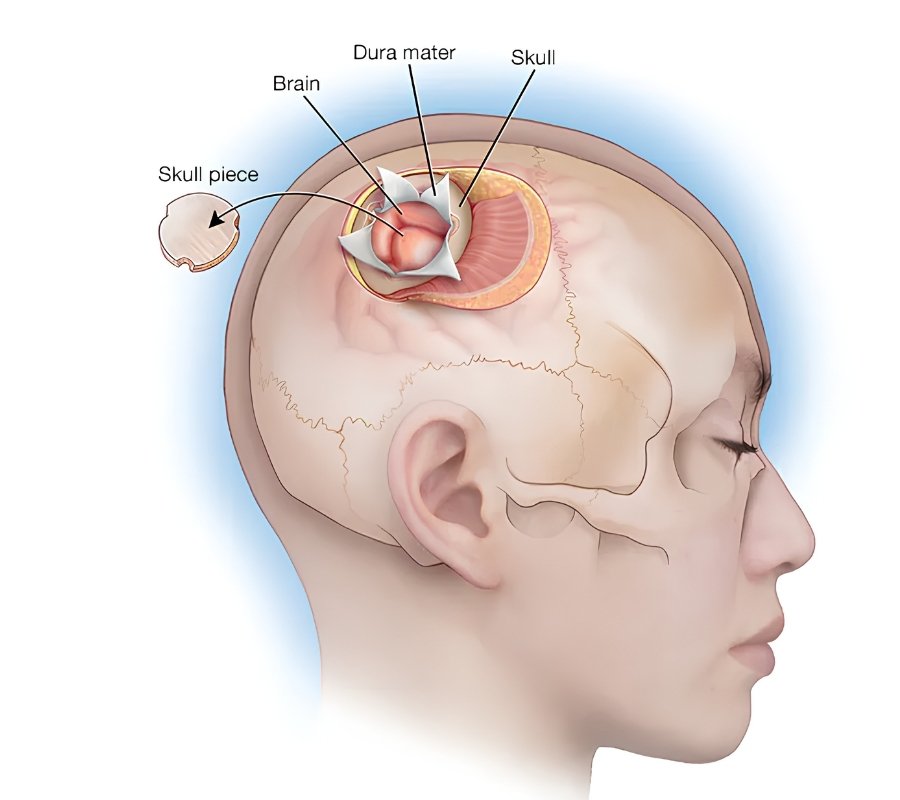
Base of Skull Surgery is a highly specialised procedure performed to treat tumours, vascular abnormalities, and other complex conditions located at the base of the skull, the area where the brain connects to the spine and where many important nerves and blood vessels pass. These conditions often require meticulous planning and a multidisciplinary approach to achieve safe tumour removal while preserving vital neurological functions. At VED Hospital, every patient undergoes a comprehensive evaluation to determine the most appropriate surgical approach. Depending on the condition, surgery may be performed using minimally invasive endoscopic techniques or conventional open procedures.
Whether you’ve been diagnosed with a skull base tumour, have been advised to undergo surgery, or are looking for a second opinion, our specialists are here to guide you through every stage of diagnosis, treatment, and recovery.
What Brings You Here Today?
Conditions affecting the base of the skull can cause a wide range of symptoms depending on the nerves and surrounding structures involved. If any of these situations sound familiar, specialist evaluation may be recommended.
I've Been Diagnosed with a Skull Base Tumour
A detailed evaluation helps determine whether surgery or another treatment is the most appropriate option.
I'm Having Persistent Double Vision
Changes in vision may occur when conditions affect the nerves near the skull base.
I've Been Experiencing Facial Numbness or Weakness
Symptoms affecting the face may require assessment of the cranial nerves and nearby structures.
I'm Having Difficulty Swallowing or Speaking
Certain skull base conditions may affect nerves responsible for swallowing and speech.
I've Been Advised to Undergo Skull Base Surgery
Understanding the procedure and treatment options can help you make informed decisions.
I'm Looking for a Second Opinion
Our specialists can review your reports and discuss the most appropriate treatment approach for your condition.
Understanding Base of Skull Surgery
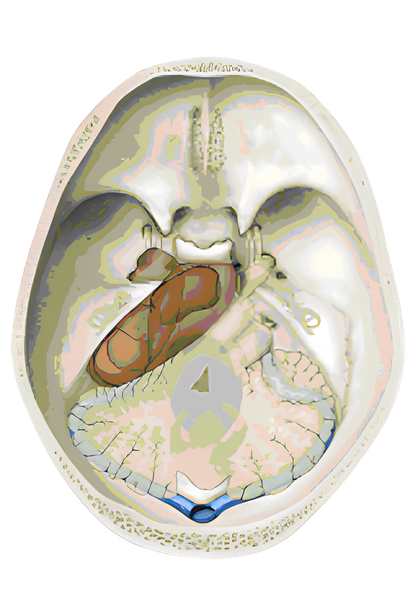
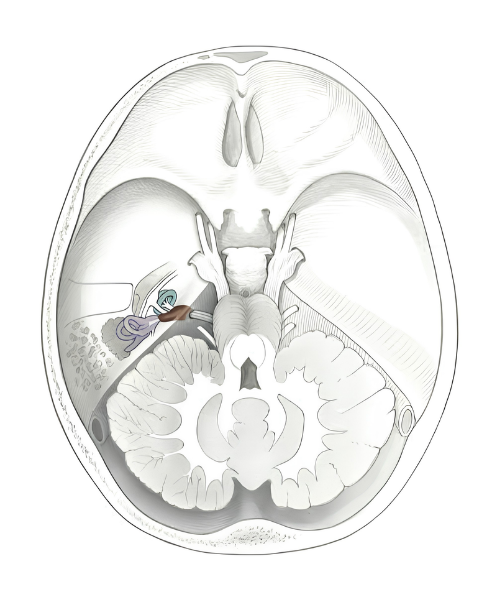
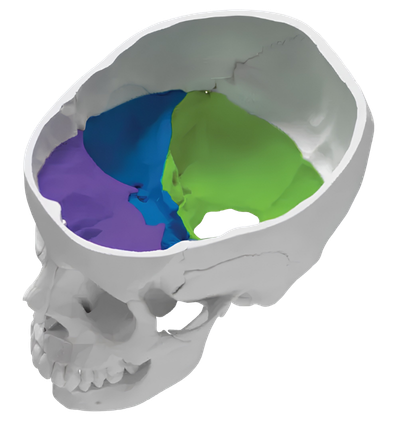
The base of the skull is one of the most complex areas of the body, containing important nerves, major blood vessels, and structures connecting the brain to the face, ears, nose, throat, and spine. Surgery in this region requires specialised expertise and advanced surgical planning.
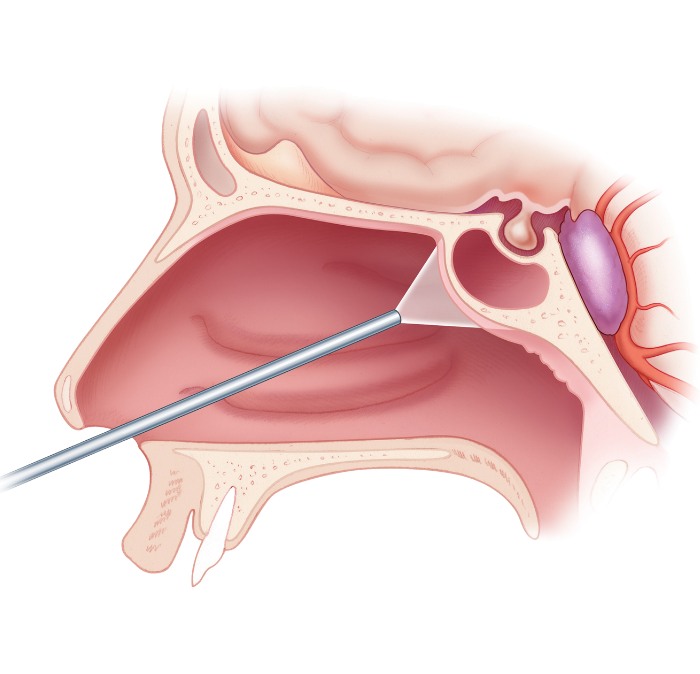
Depending on the diagnosis, surgeons may use minimally invasive endoscopic techniques through the nose or traditional open approaches to safely access and treat the affected area while preserving surrounding healthy tissues whenever possible.
Why Early Specialist Evaluation Matters
Many skull base conditions gradually enlarge and may begin affecting nearby nerves, blood vessels, or the brain. Early specialist assessment allows timely diagnosis and helps determine the safest and most effective treatment plan. Early evaluation may help:

Detect skull base conditions before they progress
Preserve important nerve function
Improve surgical planning
Reduce the risk of neurological complications
Increase treatment options

Support better long-term outcomes
Who May Benefit from Base of Skull Surgery?
Base of Skull Surgery may be recommended for carefully selected patients with complex skull base conditions.
- Skull Base Tumours
- Pituitary Tumours
- Acoustic Neuromas
- Meningiomas
- Chordomas & Rare Skull Base Tumours
- Cerebrospinal Fluid (CSF) Leaks
- Vascular Abnormalities
- Cranial Nerve Compression
- Patients Suitable for Complex Skull Base Procedures

Care
Patient-Centered

Compassion
Human Touch

Cure
Trusted Outcomes

Treatment Options for Skull Base Conditions
The recommended treatment depends on the diagnosis, size of the lesion, symptoms, and involvement of nearby structures.

Endoscopic Skull Base Surgery
Selected tumours and skull base conditions can be treated through the nose using advanced endoscopic techniques, avoiding external incisions whenever appropriate.

Open Skull Base Surgery
Complex or extensive conditions may require conventional surgical approaches to safely access and remove the lesion while protecting surrounding structures.

Tumour Removal
The primary goal of surgery is to remove as much of the tumour as safely possible while preserving important neurological functions.

Reconstructive Skull Base Surgery
Following tumour removal or repair of skull base defects, reconstructive techniques help restore normal anatomy and reduce the risk of complications such as cerebrospinal fluid leakage.

Medical Management & Observation
Certain slow-growing lesions or asymptomatic conditions may be managed with regular imaging, clinical monitoring, and medication when surgery is not immediately required.

Neurological Rehabilitation
Rehabilitation services may be recommended after treatment to support recovery of balance, swallowing, facial function, speech, or other neurological functions.

Radiation Therapy
Some patients may benefit from radiation therapy as the primary treatment or after surgery to control residual or recurrent disease.

Long-Term Follow-Up
Regular clinical examinations and imaging studies help monitor recovery, assess treatment response, and detect recurrence or progression at an early stage.
Finding the Right Diagnosis Starts with Understanding the Whole Picture
Before recommending Base of Skull Surgery, our specialists carefully assess the location of the lesion, surrounding nerves and blood vessels, neurological function, and overall health to determine the safest treatment approach.

Medical History
Understanding your symptoms, previous treatments, neurological concerns, and overall medical history.

Clinical & Neurological Examination
A detailed examination helps assess nerve function, vision, hearing, balance, swallowing, and other neurological findings.

Advanced Imaging
MRI, CT scan, CT angiography, MR angiography, or other specialised imaging helps define the exact location and extent of the condition.

Additional Investigations
Hormonal tests, hearing assessment, vision testing, biopsy, or other specialised investigations may be recommended depending on the diagnosis.

Treatment Planning
Our specialists review all findings to determine whether surgery, observation, radiation therapy, or another treatment approach is most appropriate.

Multidisciplinary Team Discussion
Complex cases are reviewed by neurosurgeons, ENT surgeons, head & neck surgeons, radiologists, radiation oncologists, medical oncologists, anaesthesiologists, and rehabilitation specialists.
Frequently Asked Question
Will every skull base condition require surgery?
No. Some conditions can be managed with observation, medication, or radiation therapy. Surgery is recommended only when it offers the greatest clinical benefit based on your diagnosis.
Is endoscopic surgery possible for all skull base tumours?
No. Endoscopic surgery is suitable only for selected conditions. The choice between endoscopic and open surgery depends on the size, location, and complexity of the lesion.
Will surgery affect my vision, hearing, or facial movement?
The surgical plan is designed to preserve important neurological functions whenever possible. However, potential risks vary depending on the location and nature of the condition, and these are discussed in detail before treatment.
How long is the recovery after Base of Skull Surgery?
Recovery depends on the complexity of the procedure, the condition being treated, and your overall health. Your healthcare team will provide a personalised recovery and rehabilitation plan.
Will I need long-term follow-up?
Yes. Regular follow-up with clinical examinations and imaging is important to monitor recovery, assess treatment success, and detect recurrence or progression at an early stage.
Take the Next Step Towards Expert Skull Base Care
If you’ve been diagnosed with a skull base tumour or another complex skull base condition, early specialist evaluation can help determine the safest and most appropriate treatment strategy. Book a consultation with our Skull Base Surgery team at VED Hospital to understand your diagnosis, explore your treatment options, and receive expert care for complex skull base conditions.