Liver Cancer Treatment in Mumbai
Expert Liver Cancer Care with the Right Treatment at the Right Time
Breast cancer is one of the most common cancers affecting women, but advances in diagnosis and treatment have made it possible to detect and manage the disease more effectively than ever before. At VED Hospital, our oncology team carefully evaluates every patient to understand the type, stage, and characteristics of the cancer before recommending the most appropriate treatment plan.
Whether you’ve noticed a breast lump, received an abnormal mammogram report, or are seeking a second opinion after a diagnosis, we’re here to help you understand your options and guide you through every stage of your treatment.
What Brings You Here Today?
Liver cancer often develops silently, and early symptoms can easily be overlooked. If any of these situations sound familiar, it’s important to seek specialist evaluation.
I've Been Having Pain in the Upper Right Abdomen
Persistent discomfort or pain below the right ribs should always be medically evaluated.
I've Lost Weight Without Trying
Unexplained weight loss may sometimes be linked to conditions affecting the liver.
My Eyes or Skin Have Turned Yellow
Yellowing of the skin or eyes (jaundice) requires prompt medical assessment.
I've Been Diagnosed with Liver Cancer
Understanding your treatment options can help you make informed decisions with confidence.
I've Been Advised to Undergo Liver Surgery
Learning about liver cancer surgery and other treatment options can help you prepare for the next steps.
I'm Looking for a Second Opinion
A specialist review can help confirm your diagnosis and discuss the most appropriate treatment plan.
Understanding Liver Cancer
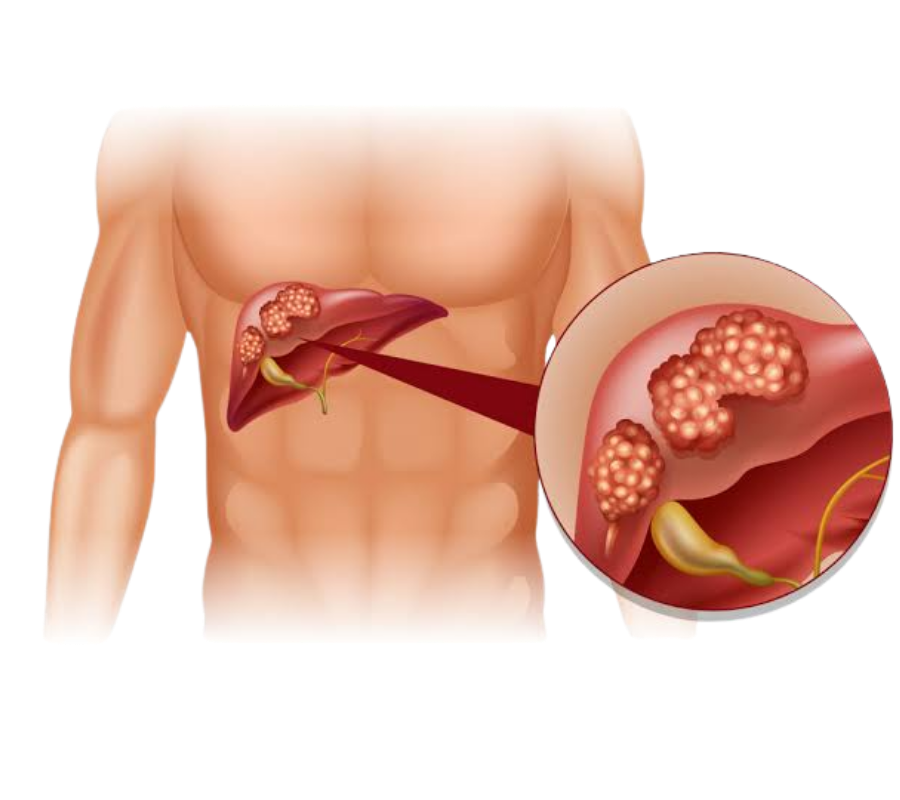
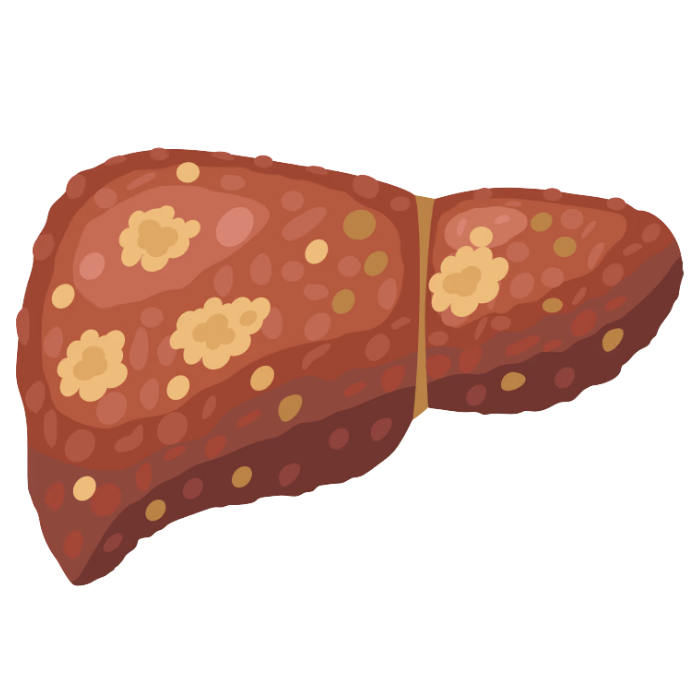
Liver cancer occurs when abnormal cells grow uncontrollably within the liver. The most common type is hepatocellular carcinoma (HCC), which usually develops in people with chronic liver disease, although it can also occur in individuals without known liver problems. Treatment depends on the size and number of tumours, liver function, whether the cancer has spread, and your overall health.
When detected early, liver cancer may be treated with surgery or other liver-directed therapies that can improve long-term outcomes.
Who May Be at Higher Risk?
Having one or more risk factors does not necessarily mean you will develop liver cancer. Likewise, some patients diagnosed with liver cancer have no obvious risk factors. Although liver cancer can occur in anyone, certain factors may increase the likelihood of developing the disease.

Chronic Hepatitis B Infection

Chronic Hepatitis C Infection

Excessive Alcohol Consumption
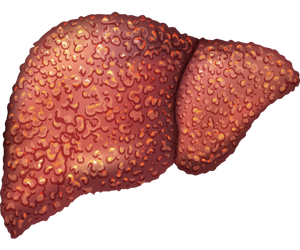
Liver Cirrhosis
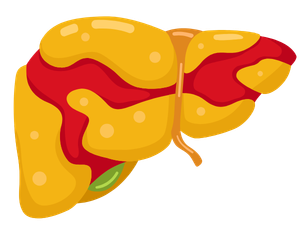
Fatty Liver Disease
Diabetes

Obesity

Family History
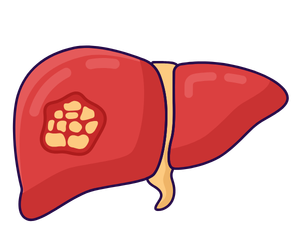
Exposure to Certain Toxins

Symptoms That Shouldn't Be Ignored
Early assessment helps determine whether these symptoms are related to liver cancer or another liver condition. Liver cancer may not cause symptoms in its early stages. Persistent or unexplained changes should always be evaluated.
- Pain in the upper right abdomen
- Yellowing of the skin or eyes
- Unexplained weight loss
- Loss of appetite
- Abdominal swelling or fluid accumulation
- Persistent fatigue or weakness
- Nausea or repeated vomiting
- A feeling of fullness after small meals

Care
Patient-Centered

Compassion
Human Touch

Cure
Trusted Outcomes

Understanding Your Liver Cancer Treatment Options
The recommended treatment depends on the stage of the disease, liver function, and your overall health. In many cases, treatment involves more than one approach.

Liver Cancer Surgery
Surgery may be recommended when the tumour can be safely removed while preserving enough healthy liver tissue for normal liver function.

Liver Ablation Therapy
For selected patients, radiofrequency ablation (RFA), microwave ablation, or other image-guided treatments may be used to destroy small liver tumours without removing them surgically.

Transarterial Chemoembolization (TACE)
TACE is a liver-directed procedure that delivers chemotherapy directly to the tumour while reducing its blood supply, helping control cancer growth in selected patients.

Targeted Therapy
Some advanced liver cancers may benefit from targeted medicines that block specific pathways involved in tumour growth.

Immunotherapy
Immunotherapy may be recommended for selected patients with advanced liver cancer based on the stage of the disease and overall clinical assessment.

Chemotherapy
Although chemotherapy is not the primary treatment for most liver cancers, it may be recommended in selected situations depending on the type and extent of the disease.

Treatment for Liver Cancer
When the cancer has spread beyond the liver or surgery is not possible, treatment focuses on controlling the disease, preserving liver function, relieving symptoms, and improving quality of life.

Long-Term Follow-Up
Regular follow-up visits, blood tests, liver function assessment, imaging, and clinical examinations help monitor recovery, evaluate treatment response, and detect recurrence as early as possible.
Finding the Right Diagnosis Before Treatment
Before recommending treatment, our specialists carefully evaluate the tumour, liver function, and your overall health to determine the most appropriate treatment strategy.

Medical History
Understanding your symptoms, previous liver disease, hepatitis status, lifestyle factors, medical history, and overall health.

Clinical Examination
A detailed physical examination helps assess liver health and guides further investigations.

Blood Tests & Tumour Markers
Blood investigations, including liver function tests and selected tumour markers, provide important information during evaluation.
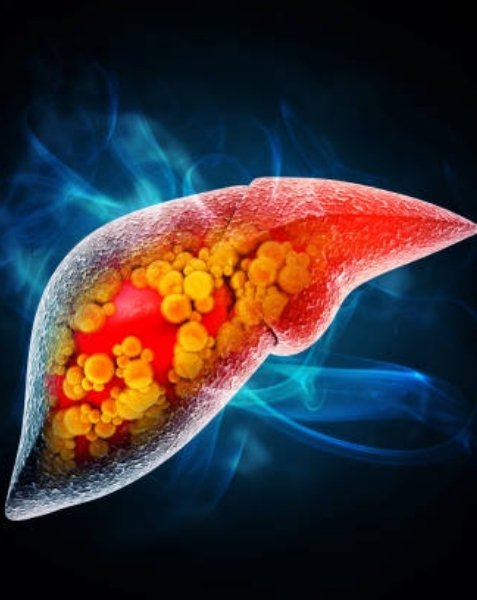

Treatment Planning
Our surgical oncology, medical oncology, gastroenterology, hepatology, radiology, pathology, and nutrition teams review all findings before recommending the plan.

Biopsy & Cancer Staging
A biopsy confirms the diagnosis, while imaging findings help accurately determine the stage of the disease.

Advanced Imaging
Triple-phase CT scan, MRI, PET-CT, or ultrasound helps determine the size, number, and location of liver tumours, as well as nearby blood vessel involvement.
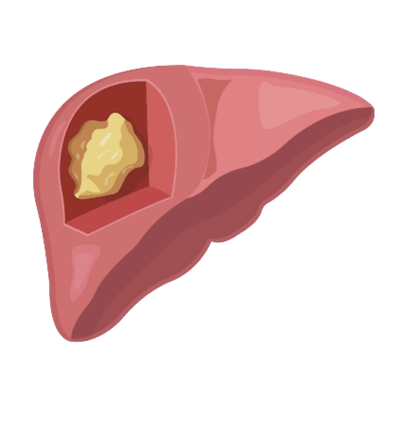
Frequently Asked Question
Is surgery possible for every patient with liver cancer?
No. Surgery is recommended only when the tumour can be safely removed and enough healthy liver tissue can be preserved. The decision also depends on liver function and the stage of the cancer.
What is TACE and when is it recommended?
Transarterial Chemoembolization (TACE) is a minimally invasive procedure that delivers chemotherapy directly into the blood vessels supplying the tumour while reducing its blood supply. It is recommended for selected patients who are not suitable for surgery.
Can liver cancer be treated without surgery?
Yes. Depending on the stage of the disease, treatment may include tumour ablation, TACE, targeted therapy, immunotherapy, chemotherapy, or a combination of these approaches.
Will I need treatment for my underlying liver disease as well?
Yes. Managing conditions such as hepatitis, cirrhosis, or fatty liver disease is an important part of liver cancer treatment and long-term follow-up.
How often will I need follow-up after treatment?
Follow-up usually includes clinical examinations, blood tests, liver function assessment, tumour markers, and imaging to monitor recovery and detect recurrence at an early stage.
Can liver cancer come back after treatment?
Although many patients respond well to treatment, recurrence is possible. Regular follow-up helps identify any recurrence early, allowing timely evaluation and further treatment when required.
Take the Next Step Towards Expert Liver Cancer Care
Book a consultation with our cancer specialists at VED Hospital to discuss your diagnosis, understand your treatment options, and receive expert guidance for liver cancer treatment.