Fissure Treatment in Mumbai

Effective Treatment for Anal Fissures, Pain & Discomfort

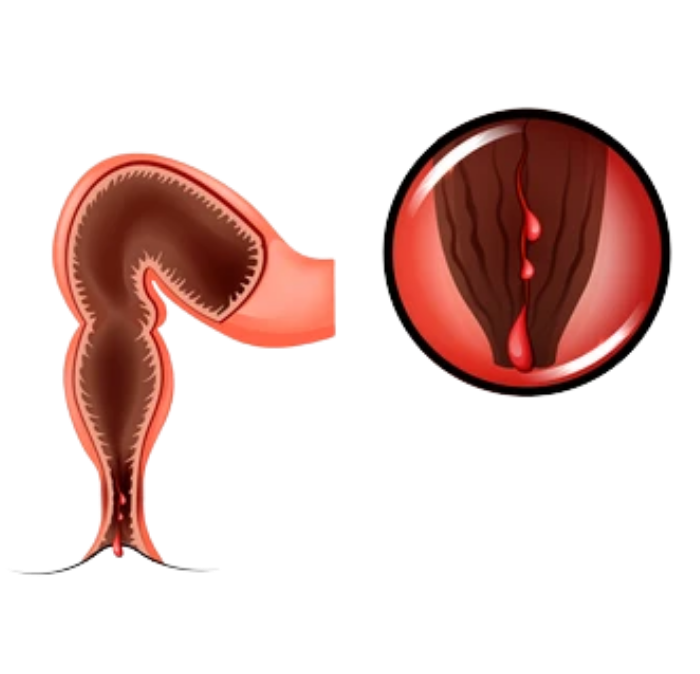
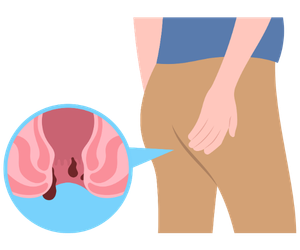
An anal fissure is a small tear in the lining of the anus that can cause sharp pain, burning, and bleeding during or after bowel movements. It commonly develops due to hard stools, constipation, or repeated straining. While many acute fissures improve with medicines and bowel habit changes, chronic or recurrent fissures may require a specialised procedure or surgery.

At VED Hospital, our general surgery team provides evaluation and treatment for acute, chronic, and recurrent anal fissures. Treatment is selected according to the duration and severity of symptoms, underlying bowel habits, response to conservative treatment, and overall health.

Whether you have recently developed painful bowel movements or have been dealing with a fissure for weeks or months, our specialists can help identify the cause and recommend an appropriate treatment plan.

What Brings You Here Today?

Anal fissures can cause significant discomfort, particularly during and after bowel movements. If any of these situations sound familiar, specialist evaluation can help identify the cause and appropriate treatment.

Understanding Anal Fissures

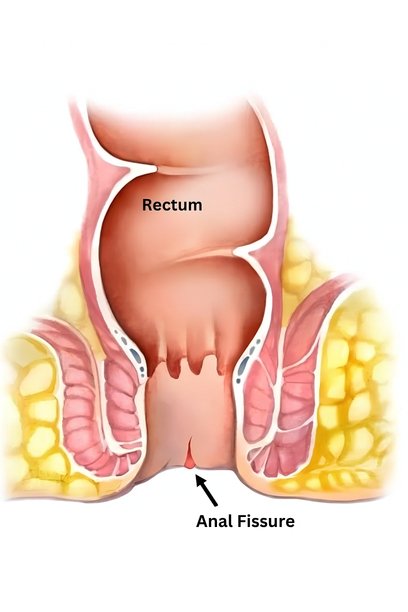
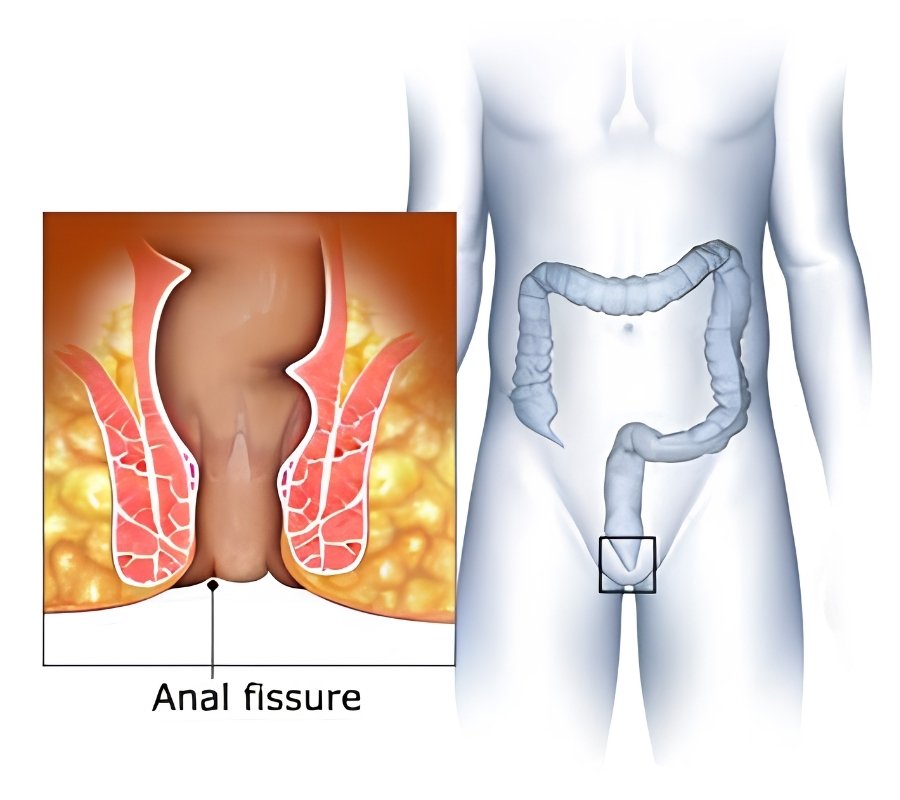
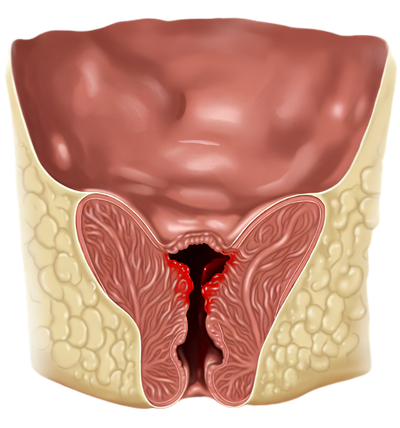
An anal fissure is a tear in the delicate lining of the anal canal. It commonly occurs when hard or bulky stools stretch and injure the anal lining. Constipation, repeated straining, diarrhoea, childbirth, and certain bowel conditions can also contribute to fissure formation.

Anal fissures may be acute, meaning they have developed recently, or chronic, where the tear persists or repeatedly returns. Chronic fissures may be associated with increased tightness of the internal anal sphincter, which can reduce blood flow to the area and interfere with healing.

When Is Fissure Treatment or Surgery Considered?

Most acute fissures can initially be managed without surgery. Further treatment may be considered when symptoms persist, recur, or do not respond adequately to conservative measures.

Persistent Anal Fissure

Chronic Fissure
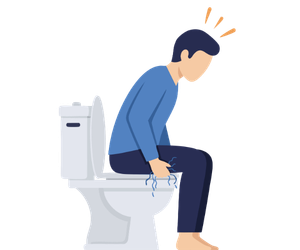
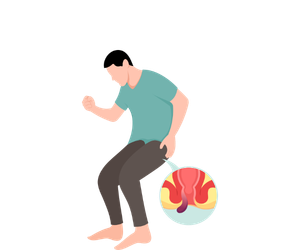
Severe Pain During Bowel Movements

Recurrent Fissures
Fissure Not Responding to Medication
Increased Anal Sphincter Tightness
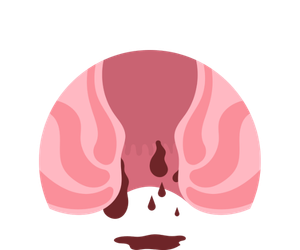
Persistent Bleeding
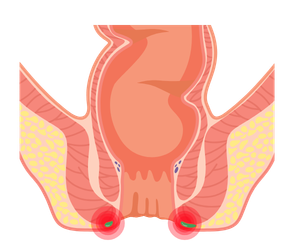
Associated Skin Tag or Sentinel Pile

Complicated or Atypical Fissure
Choosing the Right Treatment for Anal Fissures

Treatment for an anal fissure depends on whether the fissure is acute or chronic, the severity of symptoms, bowel habits, and how well the condition responds to initial treatment. Most acute fissures are managed conservatively, while chronic or treatment-resistant fissures may require a procedure or surgery.

Care

Patient-Centered

Compassion

Human Touch

Cure

Trusted Outcomes

Anal Fissure Treatment Options

Treatment ranges from dietary and lifestyle changes to medicines, minimally invasive procedures, and surgery for selected chronic cases.

Dietary & Lifestyle Changes

Increasing fibre, drinking adequate fluids, avoiding straining, and maintaining regular bowel habits can help soften stools and support fissure healing.

Stool-Softening Treatment

Stool softeners and appropriate bowel-regulating medicines may be recommended to prevent hard stools from repeatedly irritating the fissure.

Topical Medications

Prescription creams or ointments may help relax the anal sphincter, improve local blood flow, and support healing of the fissure.

Pain & Symptom Relief

Appropriate medicines and local care can help reduce pain, burning, and discomfort while the fissure heals.

Botulinum Toxin Injection

Botulinum toxin may be injected into the internal anal sphincter to temporarily relax the muscle and support healing in selected chronic fissures.

Lateral Internal Sphincterotomy

This surgical procedure involves carefully dividing a small portion of the internal anal sphincter to reduce excessive muscle pressure and allow the fissure to heal.

Fissurectomy

In selected chronic fissures, unhealthy or non-healing tissue may be removed to encourage healing and support the treatment of associated scar tissue or skin tags.

Combined Fissure Procedures

Depending on the condition, procedures such as fissurectomy and sphincter-relaxing treatment may be combined to address both the fissure and underlying muscle spasm.

Frequently Asked Question

Can an anal fissure heal without surgery?

Yes. Many acute fissures heal with fibre, adequate fluids, stool-softening measures, healthy bowel habits, and prescribed medicines. Surgery is generally considered for selected chronic or treatment-resistant fissures.

How long does an anal fissure take to heal?

Healing time varies depending on whether the fissure is acute or chronic and how well it responds to treatment. Persistent symptoms should be evaluated by a specialist.

Is fissure surgery painful?

Some discomfort can occur after surgery, but appropriate pain management and postoperative care help make recovery more comfortable. Your surgeon will explain what to expect based on the procedure recommended.

What is lateral internal sphincterotomy?

It is a surgical procedure in which a small portion of the internal anal sphincter is divided to reduce excessive muscle pressure and allow a chronic fissure to heal.

Can an anal fissure come back after treatment?

Yes, recurrence is possible, particularly when constipation, hard stools, or straining continue. Maintaining healthy bowel habits can help reduce the risk.

When should I see a surgeon for an anal fissure?

You should seek specialist evaluation if pain or bleeding persists, the fissure keeps returning, symptoms do not improve with conservative treatment, or you have been advised to undergo surgery.

Take the Next Step Towards Comfortable Bowel Health

Book a consultation with our general surgery team at VED Hospital to understand your symptoms, explore your treatment options, and receive specialised care for anal fissures.

Scroll to Top