

Microvascular Reconstructive Surgery for Head & Neck Cancer in Mumbai

Restoring Form and Function After Head & Neck Cancer Surgery

Treatment for head and neck cancer may involve removing tissues affected by the disease. In some patients, this can affect important functions such as speaking, swallowing, chewing, or breathing. Microvascular reconstructive surgery is performed to rebuild these areas using healthy tissue transferred from another part of the body. At VED Hospital, our surgical team carefully plans every reconstruction to restore function, support healing, and achieve the best possible long-term outcome after cancer surgery.

Whether you’re preparing for head and neck cancer surgery or have been advised to undergo reconstructive surgery following tumour removal, our specialists will guide you through every stage of your treatment and recovery.

What Brings You Here Today?

Microvascular reconstruction is recommended when cancer surgery removes a significant amount of tissue from the head or neck. You may benefit from specialist evaluation if any of these situations apply.

Understanding Microvascular Reconstructive Surgery

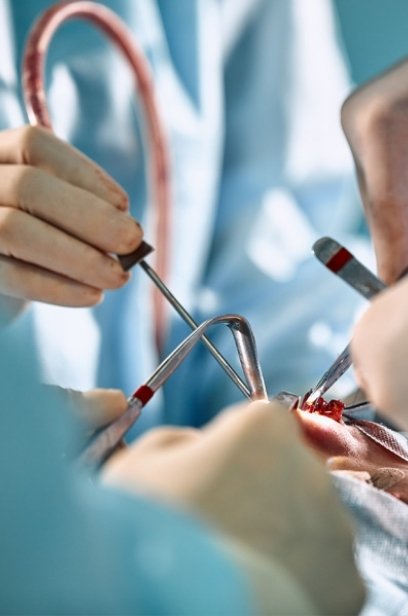
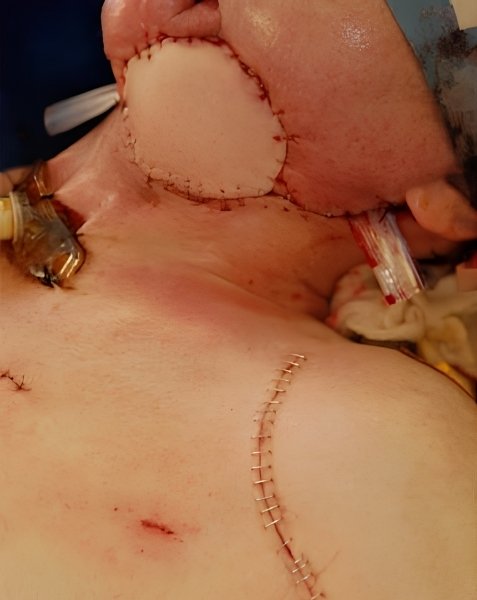
Microvascular reconstructive surgery is an advanced procedure performed after removing head and neck cancers. During the operation, healthy tissue such as skin, muscle, bone, or a combination of these is transferred from another part of the body to rebuild the area affected by cancer surgery.

Using high-powered operating microscopes, surgeons reconnect tiny blood vessels to restore blood supply to the transferred tissue. This allows the reconstructed tissue to survive and heal while helping restore appearance and important functions such as eating, speaking, and swallowing.

Who May Need Microvascular Reconstruction?

Microvascular reconstruction is not required for every head and neck cancer surgery. The decision depends on the size, location, and extent of the tissue removed. This procedure may be recommended for patients who require extensive tissue removal during head and neck cancer surgery.

Large Oral Cancers

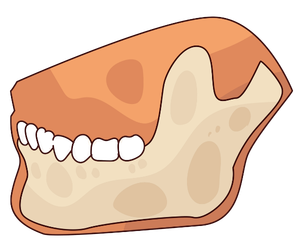
Jaw Bone Involvement
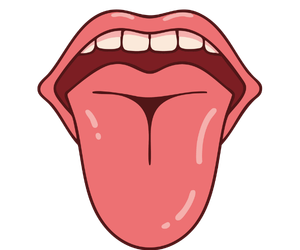
Tongue Reconstruction

Throat & Voice Box Surgery
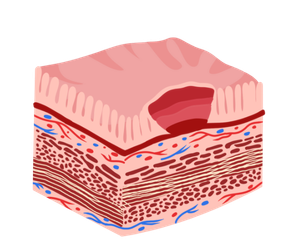
Facial Soft Tissue Defects

Recurrent Head & Neck Cancer
Complex Cancer Surgery

Previous Radiation Therapy

Traumatic Surgical Defects
When Is Reconstructive Surgery Recommended?

Early planning allows reconstruction to be performed at the same time as cancer removal whenever appropriate. Microvascular reconstruction may be considered when cancer surgery is expected to remove tissues that cannot heal adequately on their own.

Care

Patient-Centered

Compassion

Human Touch

Cure

Trusted Outcomes

Understanding Your Reconstructive Surgery Options

The reconstructive procedure is selected based on the tissues removed during cancer surgery and the functional needs of each patient.

Soft Tissue Free Flap Reconstruction

Healthy skin, muscle, or soft tissue is transferred from another part of the body to rebuild areas affected by cancer surgery while restoring blood supply through microvascular techniques.

Bone Free Flap Reconstruction

When part of the jawbone must be removed, bone from another part of the body may be transferred to restore facial structure, support chewing, and improve long-term function.

Tongue Reconstruction

Reconstruction following partial or complete removal of the tongue aims to improve speech, swallowing, and overall oral function while supporting recovery.

Jaw Reconstruction

Patients requiring removal of part of the upper or lower jaw may benefit from reconstructive procedures that restore facial shape and provide structural support.

Facial & Neck Soft Tissue Reconstruction

Reconstruction helps restore tissue coverage after removal of cancers affecting the face, cheeks, lips, neck, or surrounding structures.

Revision & Secondary Reconstruction

Some patients may require additional procedures to improve function, appearance, or healing following previous cancer treatment or reconstruction.

Speech & Swallowing Rehabilitation

Recovery often includes rehabilitation to improve speaking, swallowing, chewing, and oral function following major head and neck surgery.

Follow-Up and Long-Term Monitoring

Regular follow-up appointments help monitor healing, assess flap viability, support rehabilitation, and identify any concerns during recovery.
Finding the Right Diagnosis Starts with Understanding the Whole Picture

Before planning reconstructive surgery, our specialists evaluate both the cancer and the tissues that will require reconstruction.

Medical History

Reviewing your diagnosis, previous treatments, medical history, and overall health.

Comprehensive Clinical Examination

Assessing the tumour, surrounding tissues, and the expected surgical defect after cancer removal.

Advanced Imaging

CT scan, MRI, PET-CT, or CT angiography may be recommended to evaluate both the cancer and the blood vessels used for reconstruction.

Reconstructive Assessment

The surgical team evaluates possible donor sites such as the forearm, thigh, or leg to determine the most suitable tissue for reconstruction.

Cancer Staging & Surgical Planning

All findings are reviewed to plan cancer removal and reconstruction together whenever possible.

Multidisciplinary Treatment Planning

The oncology and reconstructive surgery teams jointly plan the procedure to achieve safe cancer removal and functional reconstruction.

Frequently Asked Question

Will everyone undergoing head and neck cancer surgery need reconstruction?

No. Smaller tumours may not require reconstruction. Microvascular reconstruction is generally recommended when a significant amount of tissue or bone needs to be removed.

Where is the replacement tissue taken from?

Depending on the reconstruction required, tissue may be taken from the forearm, thigh, lower leg, or other suitable donor sites. The choice depends on the size and location of the surgical defect.

How long is the recovery after reconstructive surgery?

Recovery varies depending on the complexity of the surgery and your overall health. Rehabilitation and follow-up care play an important role in restoring normal function over time.

Will I be able to speak and swallow normally after surgery?

Recovery differs from patient to patient. Many patients regain good speech and swallowing function with healing, rehabilitation, and ongoing support from the care team.

Will I need rehabilitation after surgery?

Yes. Depending on the procedure performed, speech therapy, swallowing exercises, and nutritional support may be recommended to help improve recovery and day-to-day function.

Take the Next Step Towards Comprehensive Head & Neck Reconstruction

If you’ve been advised to undergo head and neck cancer surgery or are exploring reconstructive options after tumour removal, understanding the available surgical approaches can help you prepare with confidence. Book a consultation with our surgical team at VED Hospital to discuss your diagnosis, understand your reconstructive options, and plan your treatment with confidence.

Scroll to Top