
Fistula Treatment in Mumbai
Specialised Treatment for Anal Fistula, Discharge & Recurrent Infection
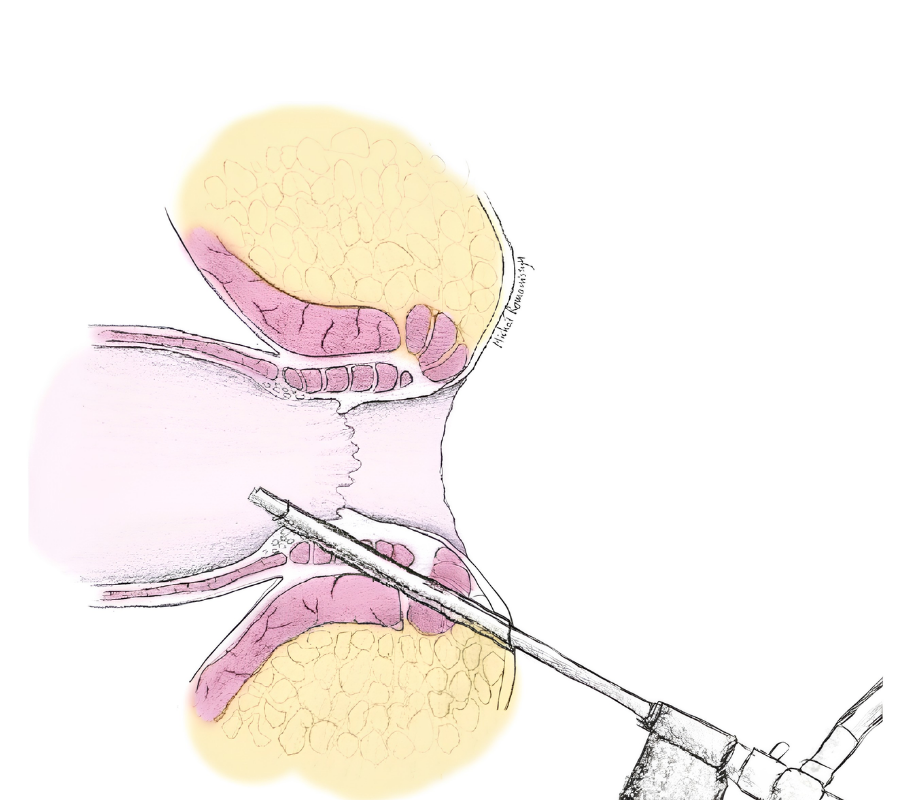
An anal fistula is an abnormal tunnel that develops between the inside of the anal canal or rectum and the skin around the anus. It commonly develops after an anal abscess has drained, leaving behind a persistent tract that may cause repeated swelling, pain, or discharge.
At VED Hospital, our general surgery team provides evaluation and treatment for anal fistulas, including simple, recurrent, and complex fistulas. Treatment is selected according to the location and course of the fistula tract, involvement of the anal sphincter muscles, previous procedures, and overall health.
Whether you have persistent discharge near the anus, repeated swelling, or have been diagnosed with an anal fistula, our specialists can evaluate the condition and recommend an appropriate treatment approach.
What Brings You Here Today?
An anal fistula can cause persistent or recurring symptoms around the anus. If any of these situations sound familiar, specialist evaluation can help identify the cause and appropriate treatment.
I Have Persistent Discharge Near the Anus
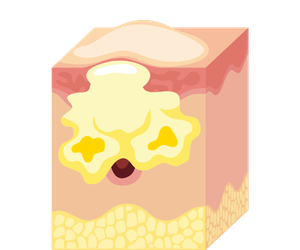
Repeated pus, fluid, or blood-stained discharge from a small opening around the anus may indicate an anal fistula.
I Have a Recurrent Lump or Swelling
Repeated swelling around the anus that settles after releasing pus may occur when a fistula repeatedly becomes blocked and infected.
I Experience Pain Around the Anus
Pain, tenderness, or discomfort may occur when the fistula tract becomes blocked or an abscess develops.
I Have a Small Opening Near the Anus
A visible opening or skin pit near the anal area may represent the external opening of a fistula tract.
My Abscess Keeps Coming Back
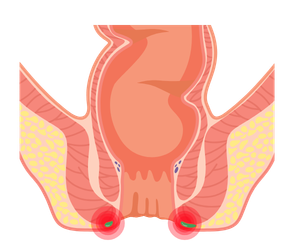
Repeated anal abscesses may occur when an underlying fistula remains untreated.
The Wound Is Not Healing
A wound or drainage site that continues to discharge or repeatedly opens after an abscess has been treated may require further evaluation.
Understanding Anal Fistula
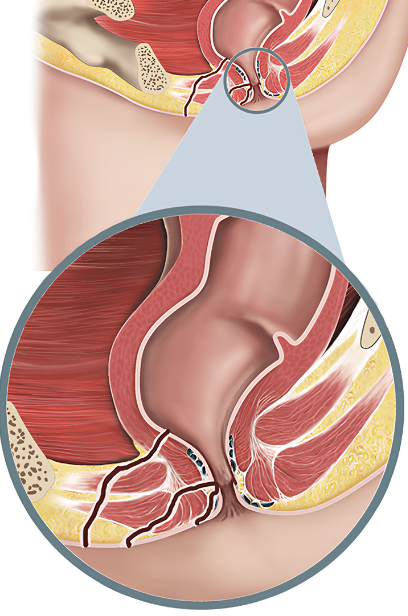
An anal fistula is an abnormal connection between the anal canal or rectum and the skin surrounding the anus. It often develops following an anal abscess, when an infected cavity drains but the abnormal tract connecting the infection to the anal canal remains.
Some fistulas are simple and involve only a small portion of the anal sphincter, while others can have multiple openings or pass through a significant amount of sphincter muscle. Complex fistulas may require detailed imaging and carefully planned treatment to control the infection while preserving continence.
When Is Fistula Treatment or Surgery Considered?
Not every fistula requires the same procedure. The treatment depends on the fistula’s anatomy, complexity, previous treatment, and relationship with the anal sphincter. Most established anal fistulas do not heal permanently on their own and may require a procedure or surgery to eliminate the abnormal tract.

Persistent Anal Fistula
Recurrent Anal Abscess
Persistent Pus or Discharge
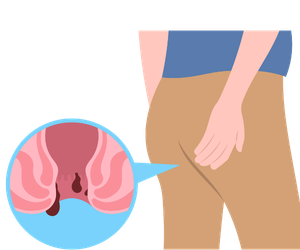
Painful Fistula
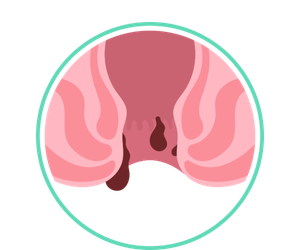
Non-Healing Anal Wound

Complex Fistula Tract
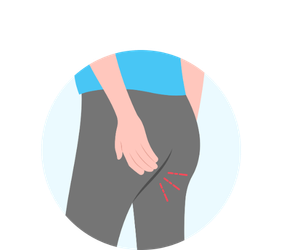
Recurrent Fistula After Previous Surgery

Multiple or Branching Fistula Tracts

Fistula Associated with Other Conditions
Choosing the Right Treatment for Anal Fistula
Treatment for an anal fistula depends on the location and complexity of the fistula tract, its relationship with the anal sphincter muscles, presence of an abscess, previous procedures, and the patient’s overall health. Since established fistulas often do not heal permanently on their own, definitive treatment is usually required.
- Location of the internal and external openings
- Length and pathway of the fistula tract
- Amount of sphincter muscle involved
- Presence of an abscess or active infection
- Simple or complex fistula anatomy
- Previous fistula procedures
- Presence of multiple or branching tracts
- Associated bowel or inflammatory conditions
- Overall health and treatment suitability

Care
Patient-Centered

Compassion
Human Touch

Cure
Trusted Outcomes

Anal Fistula Treatment Options
The appropriate procedure depends on the anatomy and complexity of the fistula. Simple fistulas may be treated with straightforward surgery, while complex fistulas may require sphincter-preserving techniques.

Fistulotomy
The fistula tract is opened along its length to allow it to heal from the inside out. It is commonly used for selected simple fistulas that involve limited sphincter muscle.

Seton Placement
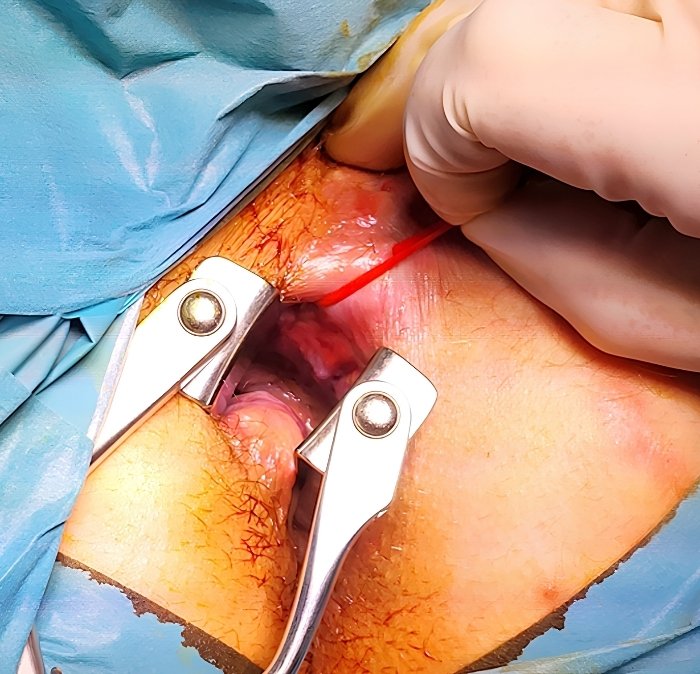
A thin surgical thread called a seton may be placed through the fistula tract to maintain drainage and control infection, particularly in complex fistulas involving the sphincter.

LIFT Procedure
The Ligation of Intersphincteric Fistula Tract procedure involves identifying and closing the fistula tract between the anal sphincter muscles while aiming to preserve sphincter function.

Advancement Flap Surgery
Healthy tissue is used to cover the internal opening of the fistula after the tract has been treated. This may be considered for selected complex fistulas where sphincter preservation is important.

Fibrin Glue Treatment
A specialised biological sealant may be introduced into the fistula tract in selected cases to encourage closure without cutting the sphincter muscle.

Fistula Plug
A biocompatible plug may be used to close the internal opening and encourage the fistula tract to heal in carefully selected patients.

Abscess Drainage
If an abscess is present, drainage of the infected collection may be required before or along with definitive fistula treatment.

Laser Fistula Treatment
Selected fistulas may be treated using minimally invasive laser techniques designed to close the fistula tract while limiting damage to surrounding tissues.

Frequently Asked Question
Can an anal fistula heal without surgery?
An established anal fistula usually does not heal permanently on its own because the abnormal tract remains connected to the anal canal. Definitive treatment is often required.
Is fistula surgery painful?
Some discomfort can occur after treatment, but appropriate pain management and wound care can help make recovery more comfortable. The level of discomfort depends on the procedure performed.
What is the best treatment for an anal fistula?
There is no single procedure that is best for every fistula. Treatment depends on the tract’s location, complexity, sphincter involvement, and whether the fistula is recurrent.
Can a fistula come back after surgery?
Yes. Recurrence is possible, particularly with complex, branching, or previously treated fistulas. Accurate fistula mapping and appropriate treatment planning can help reduce this risk.
What is a seton used for?
A seton is a surgical thread placed through a fistula tract to maintain drainage and control infection. It may be used as part of staged treatment for selected complex fistulas.
When should I see a surgeon for an anal fistula?
You should seek specialist evaluation if you have persistent anal discharge, recurrent swelling, repeated abscesses, pain around the anus, or a non-healing opening near the anal area.
Take the Next Step Towards Effective Fistula Care
Book a consultation with our general surgery team at VED Hospital to understand your condition, explore your treatment options, and receive specialised care for anal fistula.