

Thyroid & Parathyroid Surgery in Mumbai
Expert Surgical Care for Thyroid and Parathyroid Disorders
Conditions affecting the thyroid and parathyroid glands can influence your metabolism, calcium levels, energy, and overall health. While many thyroid and parathyroid conditions can be managed with medication, some require surgery to relieve symptoms, prevent complications, or treat cancer. At VED Hospital, our surgical team carefully evaluates each patient to determine when surgery is the most appropriate treatment and plans every procedure with a focus on safety and long-term outcomes.
Whether you’ve been diagnosed with a thyroid nodule, thyroid cancer, goitre, hyperparathyroidism, or have been advised to consider surgery, our specialists are here to help you understand your condition and the treatment options available.
What Brings You Here Today?
Many thyroid and parathyroid conditions develop gradually and may not cause obvious symptoms initially. If any of these situations sound familiar, it’s worth seeking specialist advice.
A Lump in My Neck
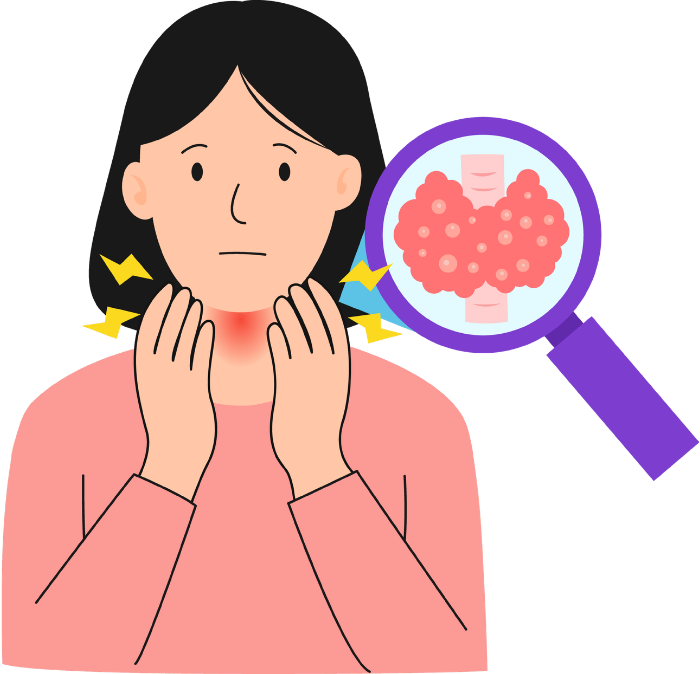
A swelling or lump in the front of the neck should be evaluated to determine whether it involves the thyroid gland.
I've Been Told I Have a Thyroid Nodule
Most thyroid nodules are non-cancerous, but some require further evaluation or surgical removal.
Difficulty Swallowing or Breathing
An enlarged thyroid gland may press on nearby structures, making swallowing or breathing uncomfortable.
My Calcium Levels Are High
Persistently high calcium levels may indicate a parathyroid gland disorder that could require surgery.
I've Been Diagnosed with Thyroid Cancer
Understanding the extent of the disease and the appropriate surgical treatment is an important next step.
My Doctor Has Recommended Surgery
If surgery has been advised, discussing the procedure and understanding what to expect can help you make an informed decision.
Understanding Thyroid & Parathyroid Disorders
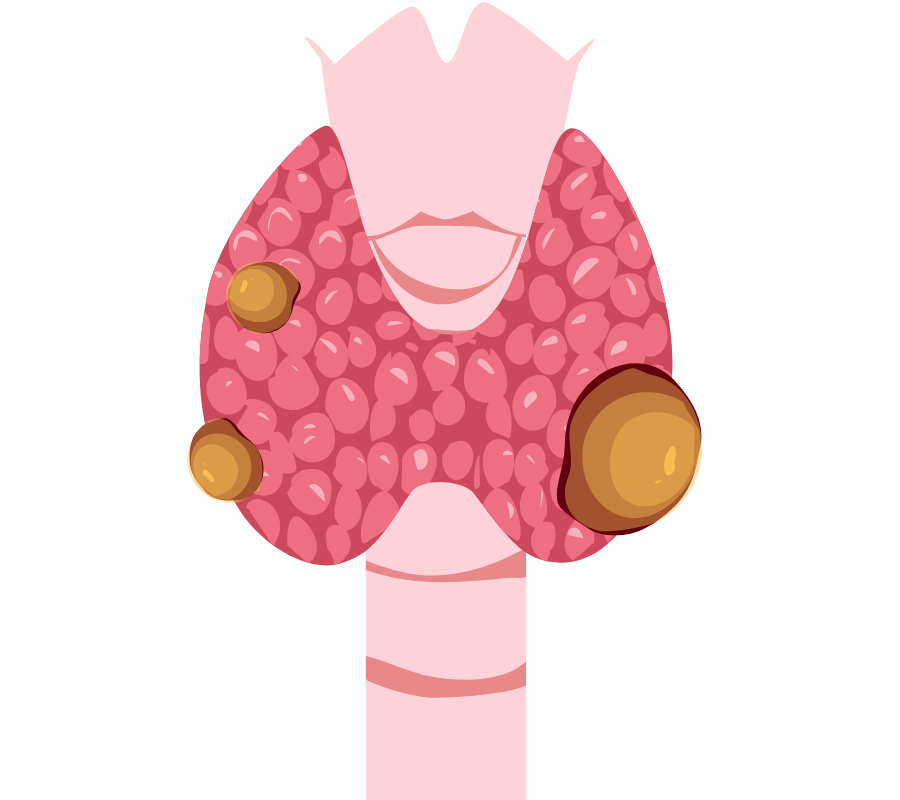
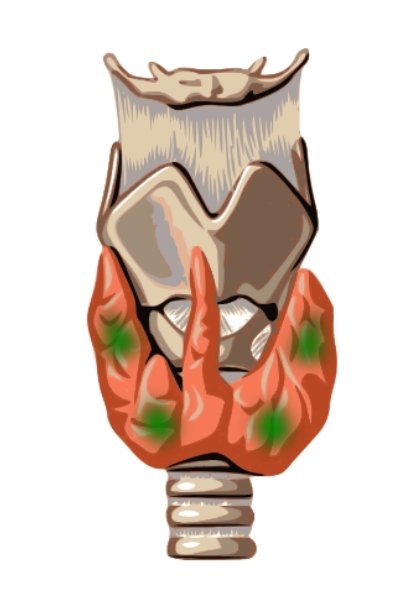
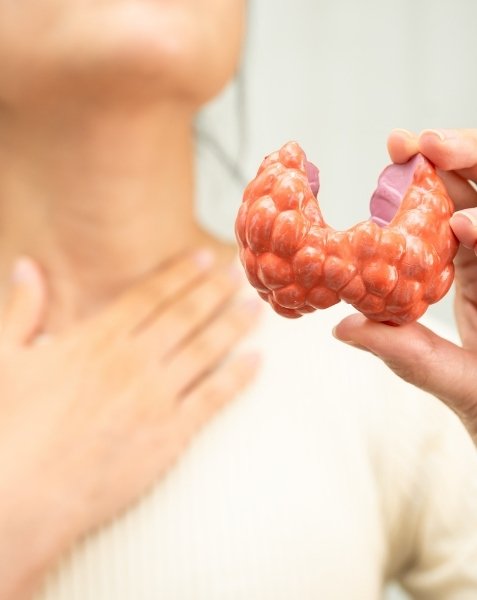
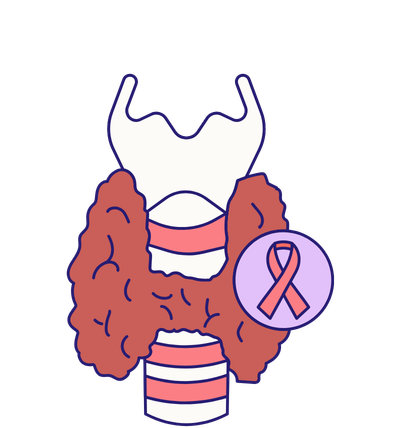
The thyroid is a butterfly-shaped gland located at the front of the neck that produces hormones responsible for regulating metabolism, growth, and energy levels. Behind the thyroid are four small parathyroid glands that help maintain normal calcium levels in the body.
Surgery may be recommended for thyroid cancer, suspicious or enlarging thyroid nodules, large goitres causing pressure symptoms, or overactive parathyroid glands that lead to persistently elevated calcium levels.
Who May Be at Higher Risk?
Having one or more risk factors does not necessarily mean surgery will be required. A detailed evaluation helps determine the most appropriate treatment. Although thyroid and parathyroid disorders can affect anyone, certain factors may increase the likelihood of developing these conditions.

Increasing Age

Family History

Female Gender
Previous Neck Radiation
Iodine Imbalance
Autoimmune Thyroid Disease
Inherited Endocrine Syndromes
Persistent High Calcium Levels
Previous Thyroid Surgery
Don't Ignore These Warning Signs
Early evaluation helps determine whether surgery or another form of treatment is appropriate. Some thyroid and parathyroid conditions develop slowly, but persistent symptoms should always be evaluated.
- A lump or swelling in the front of the neck
- Difficulty swallowing or breathing
- Persistent hoarseness or voice changes
- Rapidly growing thyroid swelling
- High calcium levels on blood tests
- Recurrent kidney stones
- Frequent bone pain or fractures
- Persistent fatigue or muscle weakness
- Suspicious thyroid biopsy results

Care
Patient-Centered

Compassion
Human Touch
Cure
Trusted Outcomes

Understanding Your Thyroid & Parathyroid Surgery Options
The recommended procedure depends on your diagnosis and the extent of the disease. Our team explains each option in detail before planning your treatment.

Thyroid Lobectomy
When the disease is limited to one side of the thyroid gland, only the affected lobe may be removed. This option is commonly considered for selected thyroid nodules and some early thyroid cancers.
Total Thyroidectomy
If both sides of the thyroid are affected or thyroid cancer involves the entire gland, complete removal of the thyroid may be recommended. Patients may require lifelong thyroid hormone replacement after surgery.

Parathyroidectomy
For patients with overactive parathyroid glands causing persistent high calcium levels, surgery involves removing the abnormal parathyroid gland while preserving the remaining healthy glands whenever possible.
Lymph Node Surgery
If thyroid cancer has spread to nearby lymph nodes, removal of the affected lymph nodes may be performed as part of cancer treatment.

Minimally Invasive Surgery
Selected patients may be suitable for minimally invasive surgical techniques, depending on the size and location of the thyroid or parathyroid disease.

Medical Management
Not every thyroid nodule or parathyroid disorder requires immediate surgery. Some conditions can be safely monitored or managed with medication based on specialist evaluation.
Long-Term Hormone Management
Following surgery, regular blood tests and hormone replacement therapy, when required, help maintain normal thyroid function and support long-term health.

Follow-Up and Long-Term Monitoring
Routine follow-up appointments help monitor recovery, assess hormone levels, evaluate calcium balance, and detect any recurrence or new thyroid-related concerns.
Finding the Right Diagnosis Starts with Understanding the Whole Picture
Before recommending thyroid or parathyroid surgery, our specialists carefully evaluate your symptoms, examination findings, imaging studies, and laboratory results to understand the exact nature of the condition.

Medical History
Understanding your symptoms, previous thyroid conditions, family history, medications, and overall health.

Clinical Examination
A detailed examination of the neck helps assess thyroid enlargement, nodules, and any visible swelling.
Blood Tests
Thyroid function tests, calcium levels, parathyroid hormone (PTH), and other investigations help assess gland function.
Advanced Imaging
Ultrasound, CT scan, sestamibi scan, or other imaging studies may be recommended to locate abnormal thyroid or parathyroid tissue.

Fine Needle Aspiration (FNA) Biopsy
When required, a small sample from a thyroid nodule helps determine whether it is benign or cancerous.
Surgical Planning
All findings are reviewed to determine whether surgery is required and to plan the most appropriate procedure.
Frequently Asked Question
Will every thyroid nodule require surgery?
No. Many thyroid nodules are benign and can be monitored with regular follow-up. Surgery is recommended only when there is suspicion of cancer, significant growth, troublesome symptoms, or abnormal biopsy findings.
Will I need lifelong medication after thyroid surgery?
Patients who undergo total thyroidectomy usually require lifelong thyroid hormone replacement. Those who have only one thyroid lobe removed may still produce enough hormone naturally.
Is parathyroid surgery only performed for high calcium levels?
Parathyroid surgery is most commonly recommended for patients with primary hyperparathyroidism causing persistently high calcium levels, symptoms, or complications such as kidney stones or reduced bone density.
Will surgery affect my voice?
Temporary voice changes can occur after thyroid surgery due to swelling around the vocal cords. Permanent voice problems are uncommon, and every effort is made to protect the nerves controlling the voice during surgery.
How long is the recovery after thyroid or parathyroid surgery?
Most patients are able to return to light daily activities within a short period, although complete recovery varies depending on the type of surgery performed and individual healing.
Will I need regular follow-up after surgery?
Yes. Follow-up appointments are important to monitor healing, review hormone or calcium levels, adjust medications if required, and ensure long-term recovery.
Take the Next Step Towards Expert Thyroid & Parathyroid Care
If you’ve been diagnosed with a thyroid nodule, thyroid cancer, enlarged thyroid gland, or parathyroid disorder, timely evaluation can help determine whether surgery is the right treatment option. Book a consultation with our surgical team at VED Hospital to discuss your diagnosis, understand your treatment options, and receive expert guidance for thyroid and parathyroid surgery.