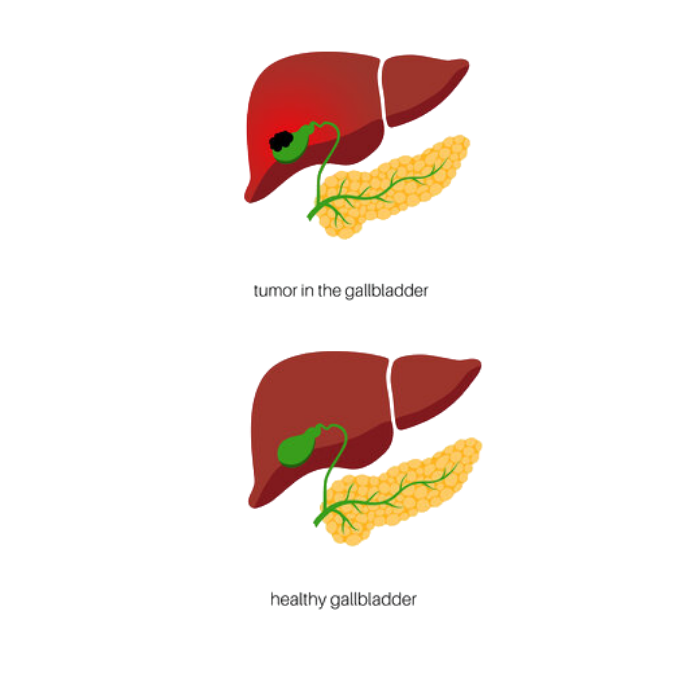


Gallbladder Cancer Treatment in Mumbai

Expert Care for Gallbladder Cancer with the Right Treatment at Every Stage

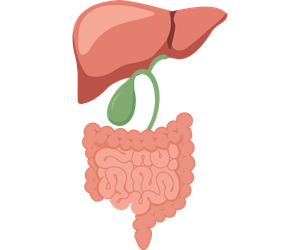
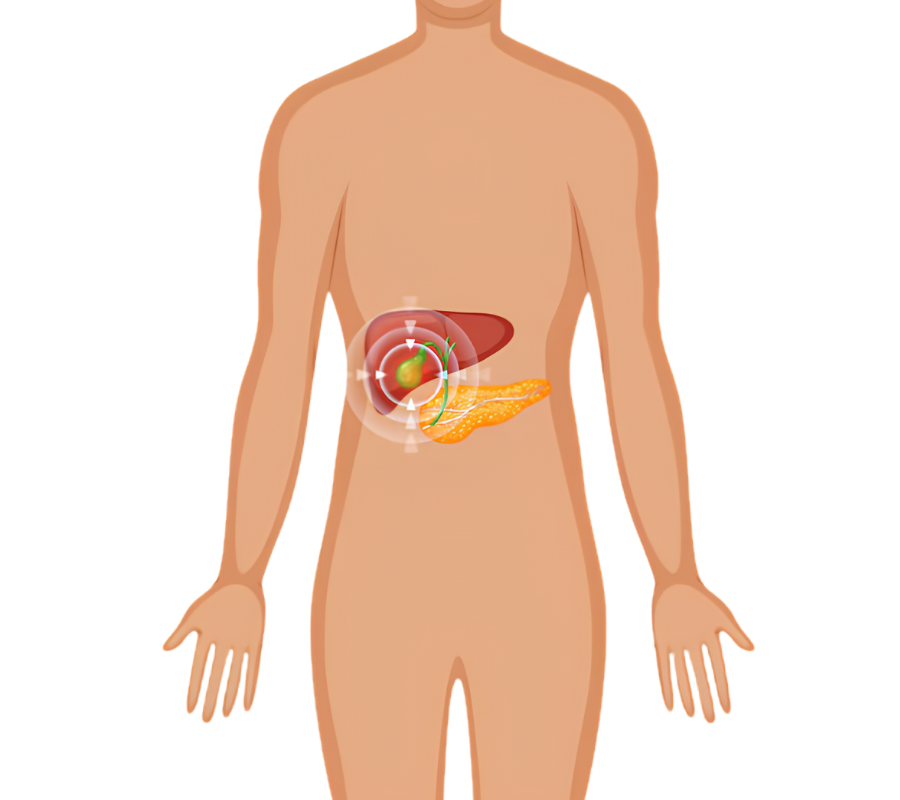
Gallbladder cancer is an uncommon cancer that develops in the gallbladder, a small organ beneath the liver that stores bile for digestion. Because it often causes few symptoms in its early stages, many patients are diagnosed during investigations for gallstones or other abdominal conditions. At VED Hospital, every patient undergoes a detailed evaluation to determine the stage of the cancer and the most appropriate combination of surgery, chemotherapy, targeted therapy, immunotherapy, or other treatments.

Whether you’ve recently been diagnosed with gallbladder cancer, have persistent upper abdominal symptoms, or are seeking a second opinion, our multidisciplinary cancer team is here to guide you through every stage of diagnosis, treatment, and recovery.

What Brings You Here Today?

Gallbladder cancer may not cause obvious symptoms in its early stages. If any of these situations sound familiar, it’s important to seek specialist evaluation.

Understanding Gallbladder Cancer

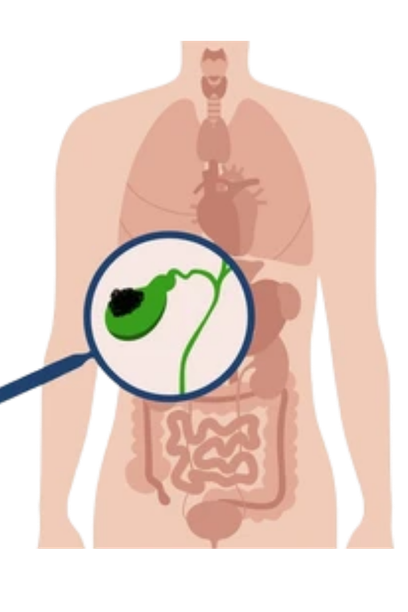
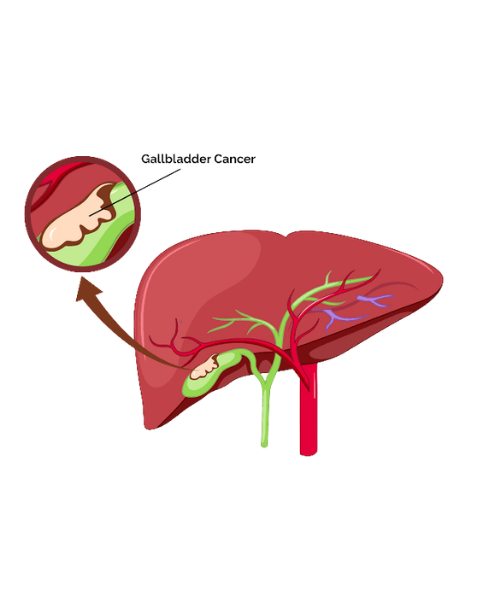
Gallbladder cancer develops when abnormal cells grow within the lining of the gallbladder. Although uncommon, it can spread to nearby organs such as the liver or bile ducts if not detected early. Treatment depends on the stage of the disease, the extent of tumour spread, and your overall health.

When diagnosed at an early stage, surgery may offer the best opportunity for long-term disease control.

Who May Be at Higher Risk?

Having one or more risk factors does not necessarily mean you will develop gallbladder cancer. Likewise, some patients diagnosed with the disease have no identifiable risk factors. Although gallbladder cancer can occur in anyone, certain factors may increase the likelihood of developing the disease.

Increasing Age

Gallstones

Female Gender

Gallbladder Polyps

Obesity

Family History

Abnormal Bile Duct Conditions

Porcelain Gallbladder
Chronic Gallbladder Inflammation
Symptoms That Shouldn't Be Ignored

Early assessment helps determine whether these symptoms are related to gallbladder cancer or another gallbladder condition. Persistent upper abdominal symptoms or unexplained changes should always be evaluated.

Care

Patient-Centered

Compassion

Human Touch

Cure

Trusted Outcomes

Understanding Your Gallbladder Cancer Treatment Options

The recommended treatment depends on the stage of the disease, the extent of tumour spread, and your overall health. In many cases, treatment involves more than one approach.

Gallbladder Cancer Surgery

Surgery is the primary treatment whenever the cancer can be safely removed. Depending on the stage, surgery may involve removal of the gallbladder along with a portion of the liver and nearby lymph nodes.

Chemotherapy

Chemotherapy may be recommended after surgery to reduce the risk of recurrence or as the primary treatment for advanced gallbladder cancer.

Targeted Therapy

Some advanced gallbladder cancers may benefit from targeted medicines based on specific genetic or molecular changes identified through specialised testing.

Immunotherapy

Selected patients with advanced gallbladder cancer may benefit from immunotherapy depending on the tumour's molecular characteristics.

Biliary Drainage Procedures

If the tumour blocks the bile ducts and causes jaundice, endoscopic or image-guided procedures may be performed to restore bile flow before or during treatment.

Treatment for Gallbladder Cancer

When the cancer has spread beyond the gallbladder, treatment focuses on controlling the disease, relieving symptoms, maintaining liver function, and improving quality of life through a combination of therapies.

Long-Term Follow-Up

Regular follow-up visits, blood tests, liver function assessment, imaging, and clinical examinations help monitor recovery, evaluate treatment response, and detect recurrence as early as possible.
Finding the Right Diagnosis Before Treatment

Before recommending treatment, our specialists carefully evaluate the tumour, nearby organs, and your overall health to determine the most appropriate treatment strategy.

Medical History

Understanding your symptoms, previous gallbladder disease, gallstones, medical history, and overall health.

Clinical Examination

A detailed physical examination helps assess your condition and guides further investigations.

Tests & Liver Function Tests

Blood investigations help evaluate liver function, bile duct obstruction, and overall health.
Advanced Imaging

Ultrasound, CT scan, MRI, MRCP, or PET-CT helps determine the size of the tumour, involvement of nearby organs.

Biopsy & Cancer Staging

When required, biopsy findings and imaging studies help confirm the diagnosis.

Treatment Planning

Our surgical oncology, medical oncology, gastroenterology, hepatology, pathology, and nutrition teams review all findings.

Frequently Asked Question

Is surgery the main treatment for gallbladder cancer?

Yes. When the cancer is detected at an early stage and can be safely removed, surgery offers the best chance for long-term disease control. The extent of surgery depends on how far the cancer has spread.

Will part of my liver also be removed during surgery?

In many patients, a small portion of the liver next to the gallbladder and nearby lymph nodes may also be removed to help achieve complete cancer removal.

What happens if the bile duct is blocked?

If gallbladder cancer blocks the bile ducts and causes jaundice, a stent or drainage procedure may be performed to restore bile flow before or during cancer treatment.

Can gallbladder cancer be treated without surgery?

Yes. If surgery is not possible, treatment may include chemotherapy, targeted therapy, immunotherapy, and supportive procedures depending on the stage of the disease.

How often will I need follow-up after treatment?

Follow-up usually includes clinical examinations, blood tests, liver function assessment, and imaging to monitor recovery and detect recurrence at an early stage.

Can gallbladder cancer come back after treatment?

Although many patients respond well to treatment, recurrence is possible. Regular follow-up helps identify any recurrence early, allowing timely evaluation and additional treatment when needed.

Take the Next Step Towards Expert Gallbladder Cancer Care

Book a consultation with our cancer specialists at VED Hospital to discuss your diagnosis, understand your treatment options, and receive expert guidance for gallbladder cancer treatment.

Scroll to Top