HIPEC Treatment in Mumbai
Advanced Cancer Treatment Combining Surgery with Heated Intraperitoneal Chemotherapy
Some abdominal cancers can spread to the lining of the abdomen, a condition known as peritoneal metastasis. In carefully selected patients, Hyperthermic Intraperitoneal Chemotherapy (HIPEC) may be used along with cytoreductive surgery to treat visible cancer deposits and deliver heated chemotherapy directly into the abdominal cavity.
At VED Hospital, HIPEC treatment involves careful patient selection, detailed staging, multidisciplinary planning, and coordinated surgical and oncology care. The treatment approach is determined according to the type of cancer, extent of disease, overall health, and expected benefit from treatment.
What Brings You Here Today?
Peritoneal cancer spread can occur with different abdominal and pelvic cancers. If any of these situations sound familiar, specialist evaluation can help determine whether HIPEC may be appropriate.
I've Been Diagnosed with Peritoneal Metastasis

Cancer that has spread to the abdominal lining may require specialised treatment planning.
My Abdominal Cancer Has Spread Within the Abdomen
Selected cancers involving the peritoneum may be considered for cytoreductive surgery and HIPEC.
I've Been Advised to Consider CRS with HIPEC
Understanding the procedure, expected benefits, risks, and recovery can help you make an informed decision.
My Cancer Has Returned in the Abdomen
Some patients with recurrent abdominal cancer may require evaluation for specialised surgical treatment.
I Have a Cancer That Commonly Spreads to the Peritoneum
Certain colorectal, appendiceal, ovarian, gastric, and other cancers may spread within the abdominal cavity.
I'm Looking for a Second Opinion
A specialist review can help determine whether CRS and HIPEC are suitable for your specific cancer and disease extent.
Understanding HIPEC
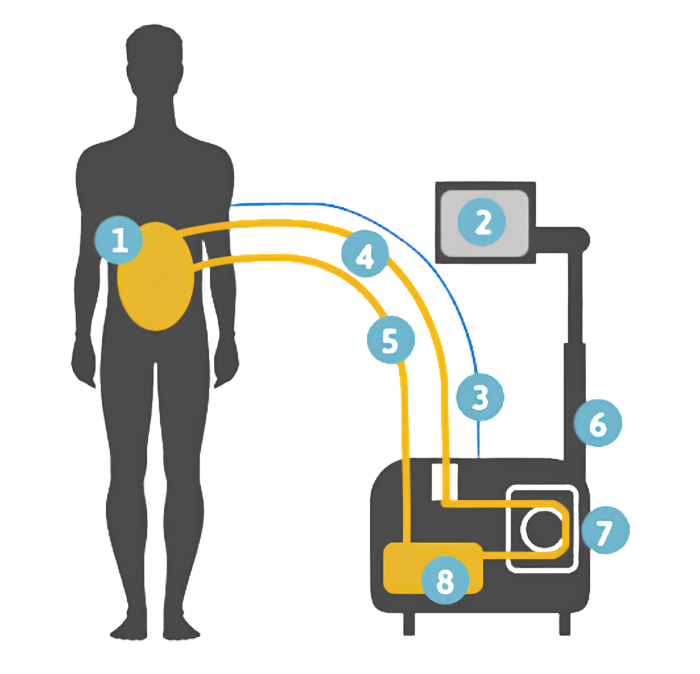
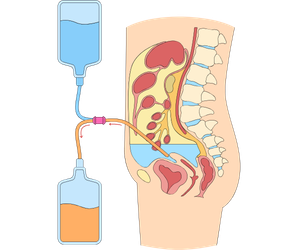
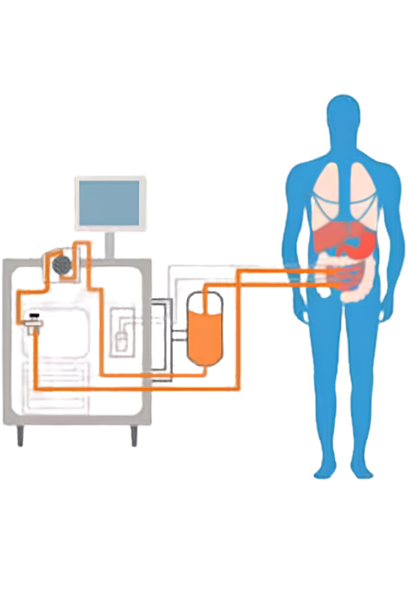
HIPEC stands for Hyperthermic Intraperitoneal Chemotherapy. It is a specialised treatment generally performed after cytoreductive surgery, during which visible tumour deposits within the abdomen are removed as completely as possible. Heated chemotherapy is then circulated directly inside the abdominal cavity to target remaining microscopic cancer cells.
Unlike conventional chemotherapy, which is usually delivered through the bloodstream, HIPEC delivers chemotherapy directly to the abdominal cavity. The heat may enhance the effect of the chemotherapy while allowing a concentrated treatment to be delivered to the affected area.
HIPEC is not appropriate for every patient with abdominal cancer. Careful assessment is essential to determine whether the potential benefits outweigh the risks.
When Is HIPEC Considered?
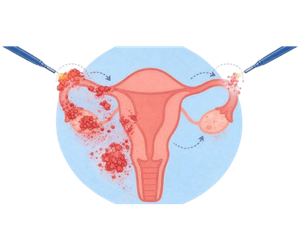
HIPEC may be considered for selected patients when cancer has spread to the peritoneal lining and complete or near-complete removal of visible disease appears achievable. Not every patient with peritoneal spread is suitable for HIPEC. Detailed staging and multidisciplinary evaluation are essential before treatment.

Peritoneal Metastasis

Appendiceal Cancer

Colorectal Cancer
Ovarian Cancer

Gastric Cancer

Peritoneal Mesothelioma

Recurrent Abdominal Cancer

Limited Peritoneal Disease
Disease Suitable for Complete Cytoreduction
Why Early Specialist Evaluation Matters
Peritoneal metastasis can be complex to treat, and delaying specialist evaluation may limit available treatment options. Early assessment helps determine the extent of disease and whether an aggressive treatment approach such as CRS and HIPEC may be appropriate. Early specialist evaluation may help:
- Assess the exact extent of peritoneal disease
- Determine whether complete tumour removal is possible
- Identify suitable treatment options early
- Coordinate surgery and systemic cancer treatment
- Reduce delays in multidisciplinary decision-making
- Develop an individualised treatment plan

Care
Patient-Centered

Compassion
Human Touch

Cure
Trusted Outcomes

Cytoreductive Surgery & HIPEC Treatment Options
HIPEC is generally performed as part of a planned treatment approach that begins with removing visible cancer deposits from the abdominal cavity.

Cytoreductive Surgery (CRS)
Visible tumour deposits within the abdominal cavity are surgically removed as completely as safely possible before HIPEC is administered.

Hyperthermic Intraperitoneal Chemotherapy (HIPEC)
After cytoreductive surgery, heated chemotherapy is circulated directly inside the abdominal cavity to target remaining microscopic cancer cells.

Peritoneal Tumour Removal
Tumour deposits affecting the abdominal lining and selected organs may be removed as part of achieving adequate cytoreduction.

Multivisceral Resection When Required
In selected advanced cases, portions of affected abdominal organs may need to be removed to achieve complete or near-complete tumour clearance.

HIPEC for Appendiceal Cancers
Selected appendiceal cancers with peritoneal spread may be treated with cytoreductive surgery followed by HIPEC.

HIPEC for Colorectal Cancers
Carefully selected patients with colorectal cancer and limited peritoneal metastasis may be evaluated for CRS and HIPEC.

HIPEC for Ovarian & Gynaecological Cancers
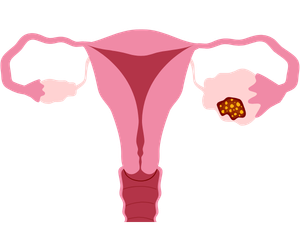
Certain advanced or recurrent gynaecological cancers may be considered for cytoreductive surgery and HIPEC after detailed specialist assessment.

HIPEC for Gastric & Other Abdominal Cancers
Selected stomach and other abdominal cancers with peritoneal involvement may require evaluation at a specialised multidisciplinary centre.

Frequently Asked Question
What does HIPEC stand for?
HIPEC stands for Hyperthermic Intraperitoneal Chemotherapy. It involves circulating heated chemotherapy directly inside the abdominal cavity after cytoreductive surgery.
Is HIPEC suitable for every patient with peritoneal cancer?
No. Suitability depends on the type of cancer, extent of peritoneal disease, possibility of complete tumour removal, previous treatments, and the patient’s overall health.
Is HIPEC the same as regular chemotherapy?
No. Conventional chemotherapy is generally delivered through the bloodstream, while HIPEC delivers heated chemotherapy directly into the abdominal cavity after cytoreductive surgery.
What is cytoreductive surgery?
Cytoreductive surgery, or CRS, involves removing visible tumour deposits from the abdominal cavity as completely as safely possible before HIPEC is performed.
How long does recovery take after CRS and HIPEC?
Recovery varies between patients because CRS and HIPEC involve major abdominal surgery. Hospitalisation and recovery can take several weeks, depending on the extent of surgery and individual progress.
Can cancer return after CRS and HIPEC?
Recurrence can occur after treatment because cancer behaviour varies between individuals. Regular follow-up, imaging, and oncology care are important for monitoring long-term outcomes.
Take the Next Step Towards Specialised Cancer Care
Book a consultation with our oncology team at VED Hospital to understand your diagnosis, explore available treatment options, and determine the most appropriate approach for your individual cancer.