Salivary Gland & Parotid Surgery in Mumbai
Specialised Surgical Care for Salivary Gland Conditions & Parotid Tumours
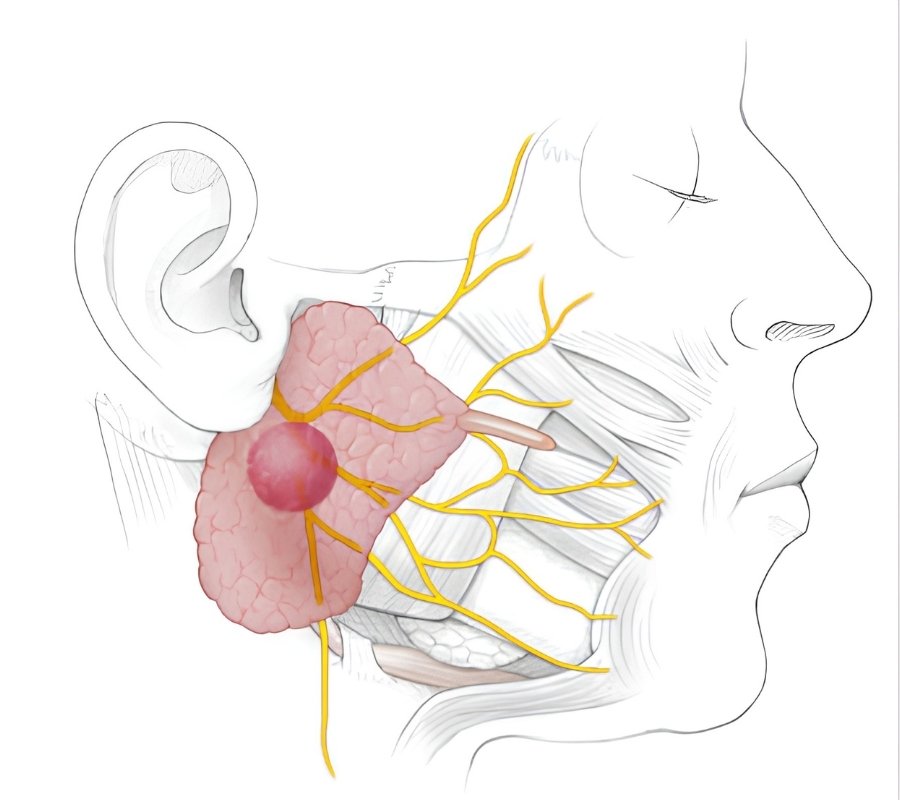
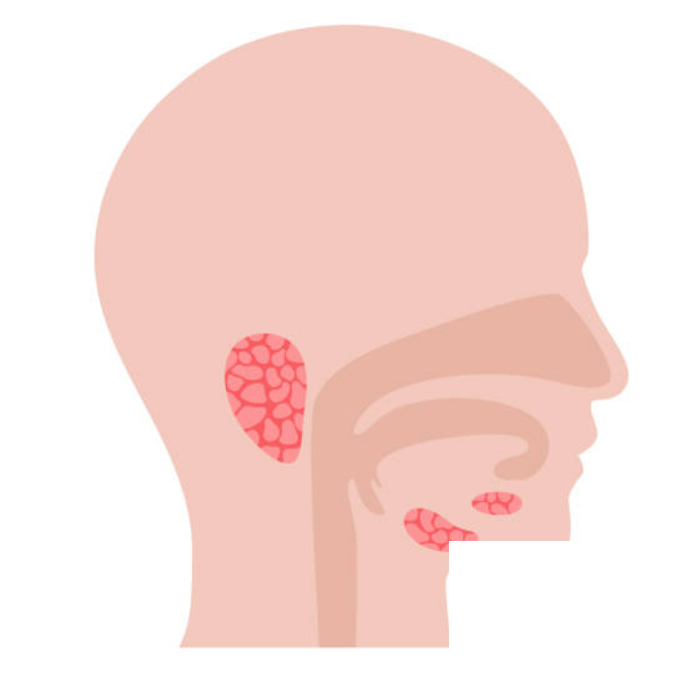
The salivary glands produce the saliva needed for digestion, swallowing, and maintaining a healthy mouth. Problems affecting these glands can cause swelling, pain, recurrent infections, difficulty eating, or the development of a lump that requires further evaluation. The parotid glands, located on either side of the face near the ears, are the largest salivary glands and can develop both benign and malignant tumours.
At VED Hospital, our ENT and Head & Neck specialists provide evaluation and surgical treatment for salivary gland disorders, including parotid tumours, salivary gland stones, cysts, infections, and other abnormalities. Treatment is planned after carefully assessing the location and nature of the condition while taking into consideration important structures such as the facial nerve.
What Brings You Here Today?
Salivary gland problems may appear as swelling, pain, or a lump around the face, jaw, or neck. If any of these situations sound familiar, specialist evaluation can help identify the cause.
I've Noticed a Lump Near My Ear or Jaw
A persistent swelling around the ear, cheek, or jaw may arise from the parotid or another salivary gland.
My Salivary Gland Keeps Swelling
Repeated swelling, especially while eating, may indicate a blocked salivary gland or another underlying condition.
I Have Pain Around My Jaw or Face
Pain near the cheek, jaw, or under the tongue can occur with infection, stones, inflammation, or other salivary gland problems.
I've Been Diagnosed with a Parotid Tumour
A salivary gland tumour requires careful assessment to determine whether it is benign or malignant and whether surgery is required.
I've Been Advised to Undergo Salivary Gland Surgery
Understanding the procedure, possible risks, and recovery can help you prepare for treatment.
I'm Looking for a Second Opinion
A specialist review can help confirm the diagnosis and determine the most appropriate treatment approach.
Understanding Salivary Gland & Parotid Conditions
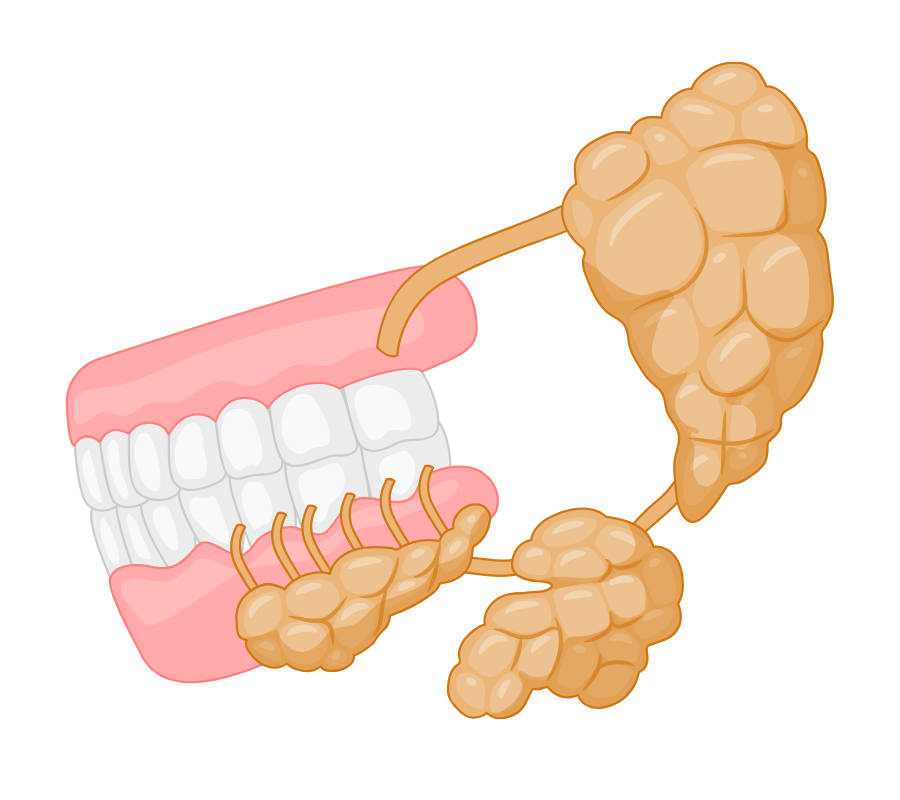
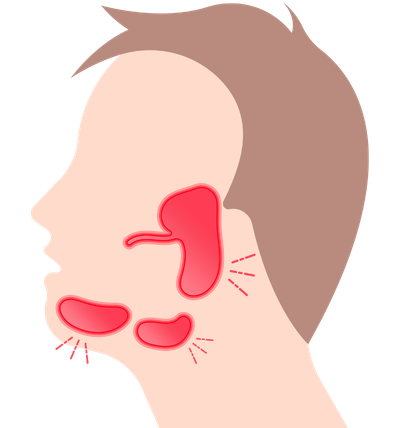
There are three major pairs of salivary glands- the parotid glands, submandibular glands, and sublingual glands along with numerous smaller glands throughout the mouth and throat. These glands can be affected by stones, infections, cysts, inflammation, and tumours.
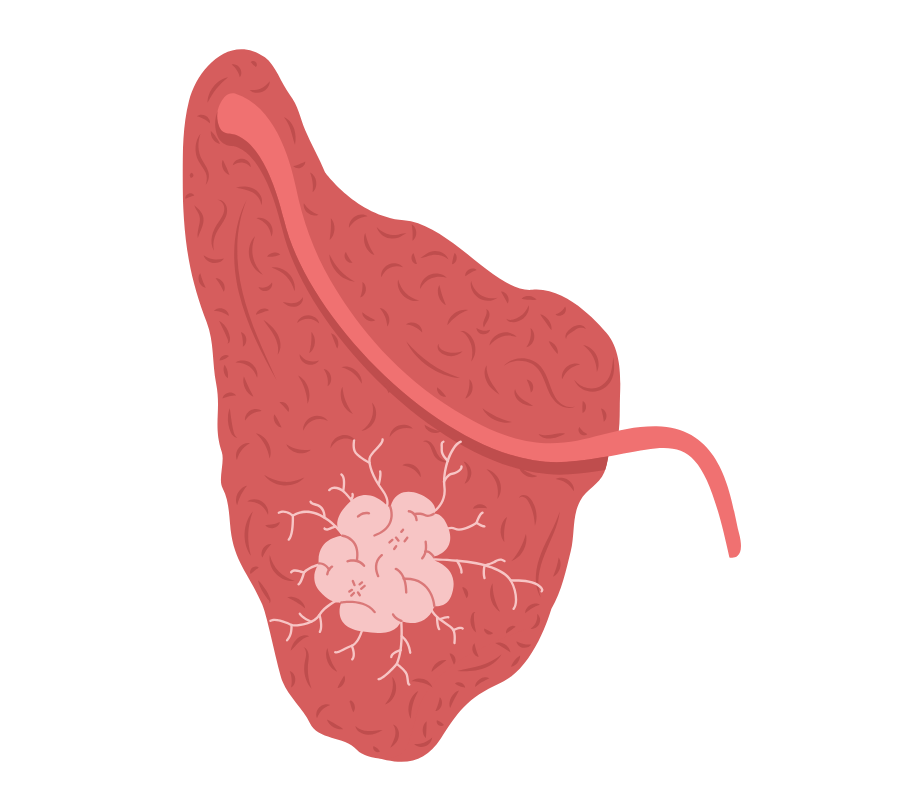
Parotid tumours are among the more common salivary gland tumours, and many are benign. However, any persistent or growing lump in the salivary gland region should be evaluated to determine its nature and the appropriate treatment.
When Is Salivary Gland & Parotid Surgery Considered?

Parotid Tumours

Growing Salivary Gland Lump
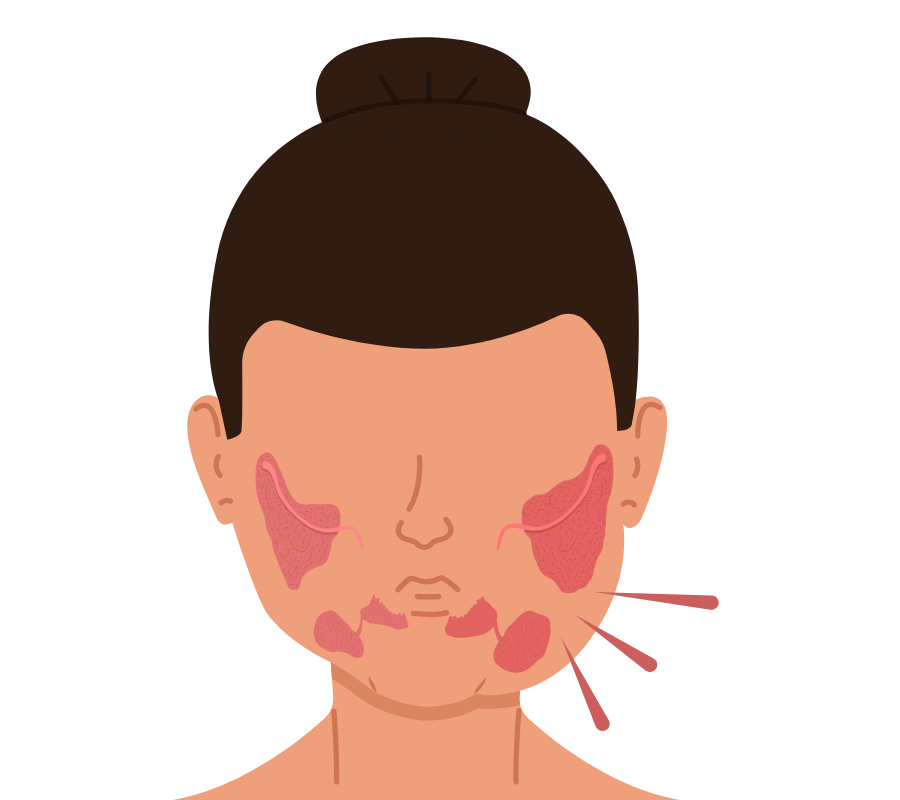
Recurrent Salivary Gland Infections
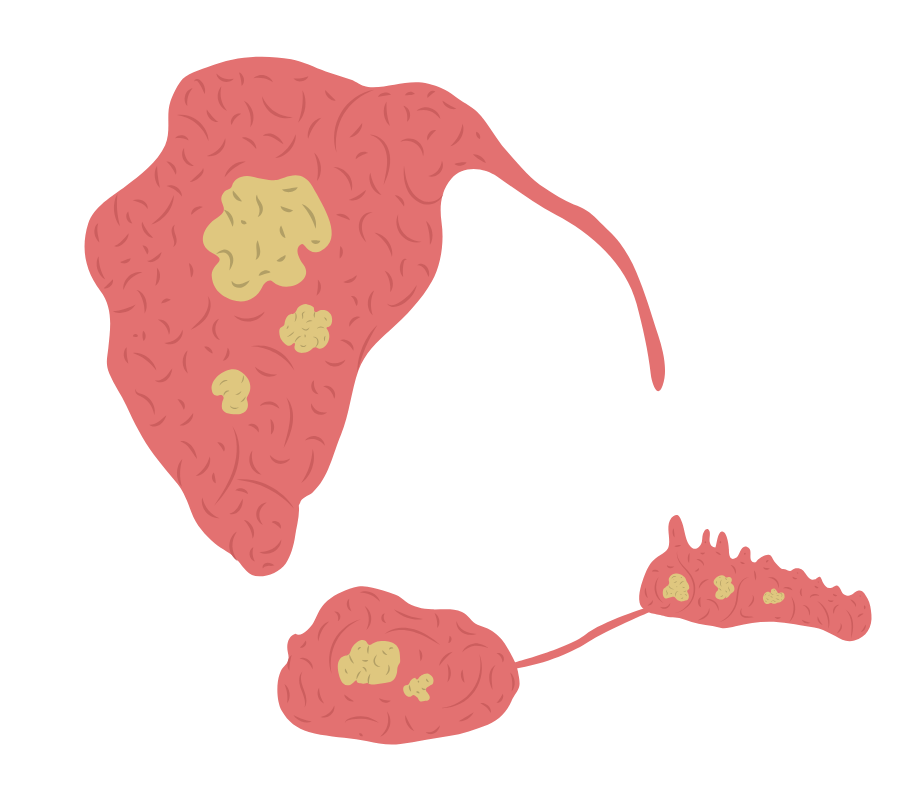
Obstructing Salivary Stones
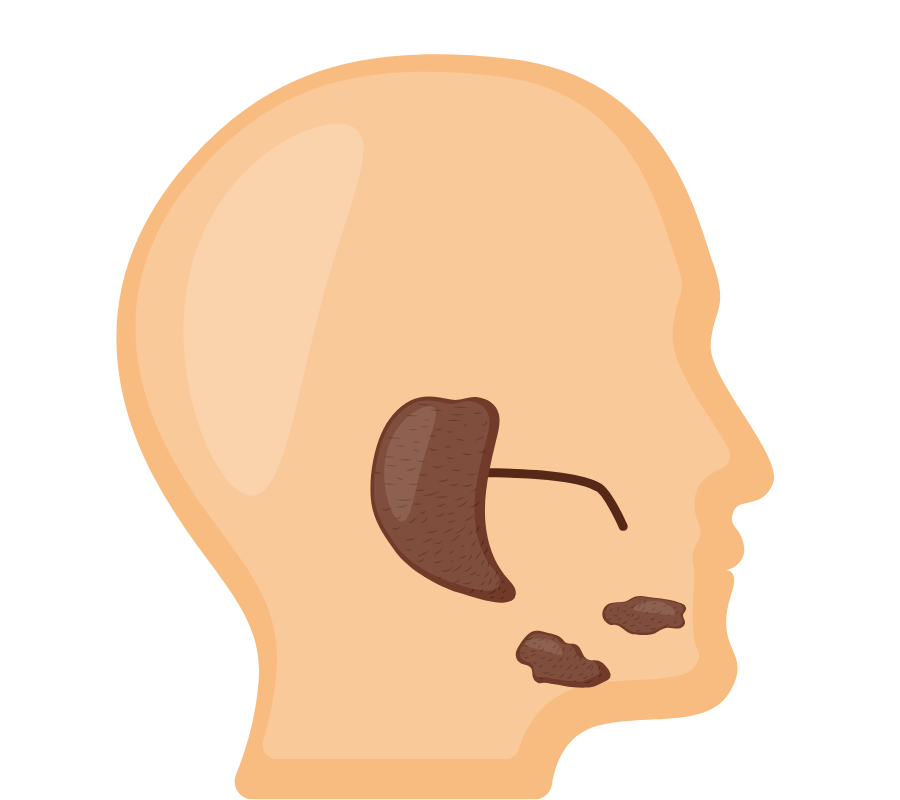
Suspicious Gland Lesions
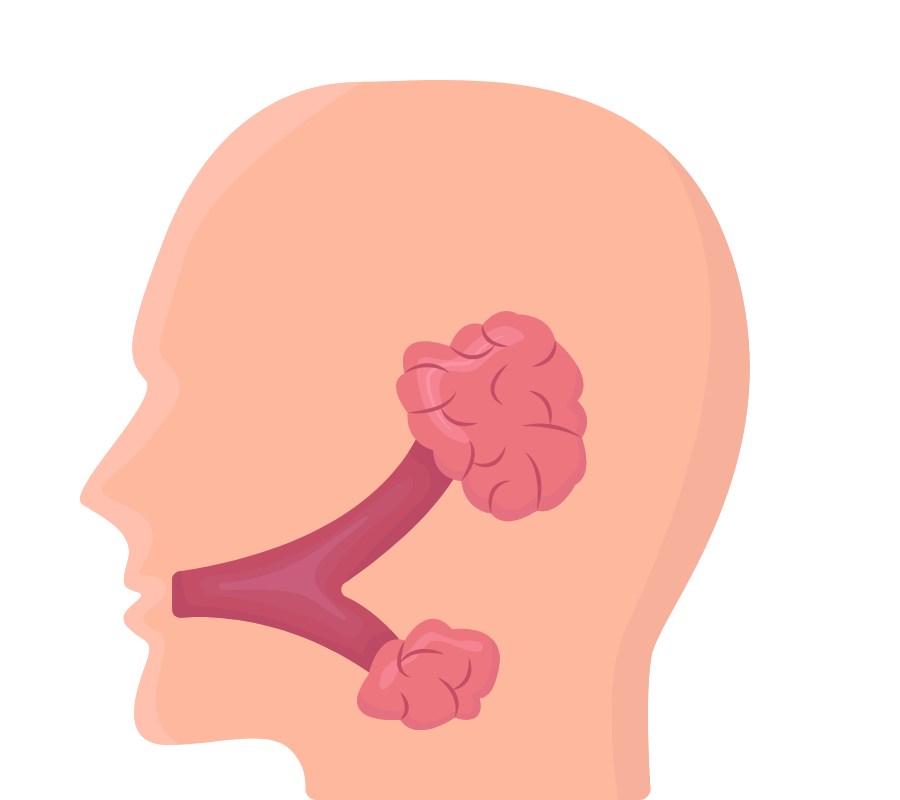
Malignant Salivary Tumours
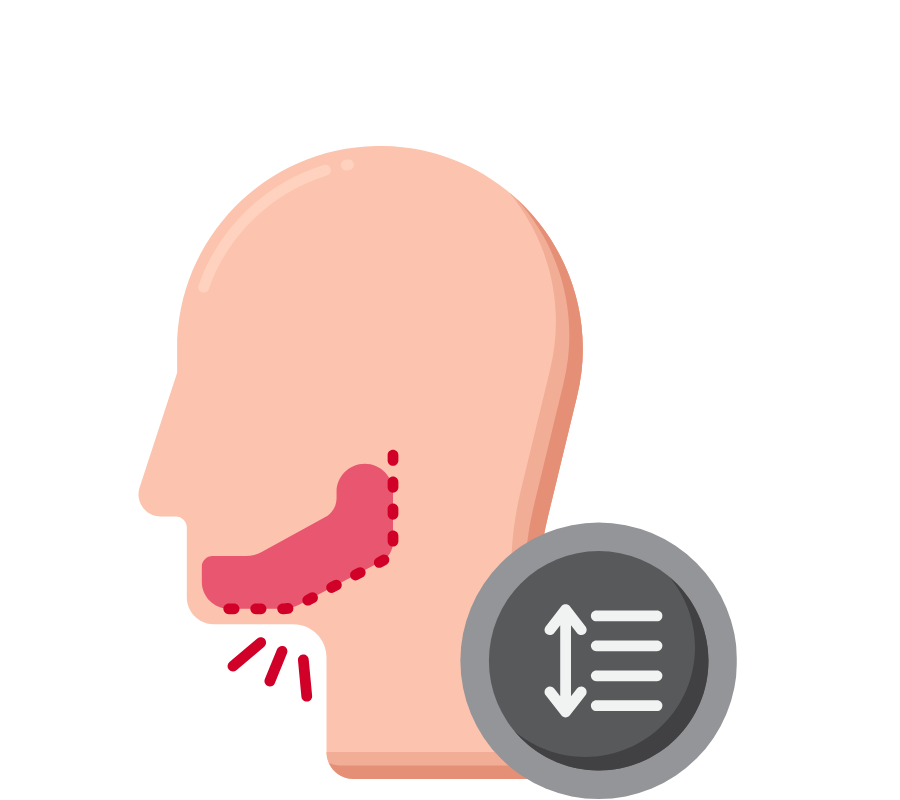
Recurrent Gland Swelling
Large or Complex Lesions
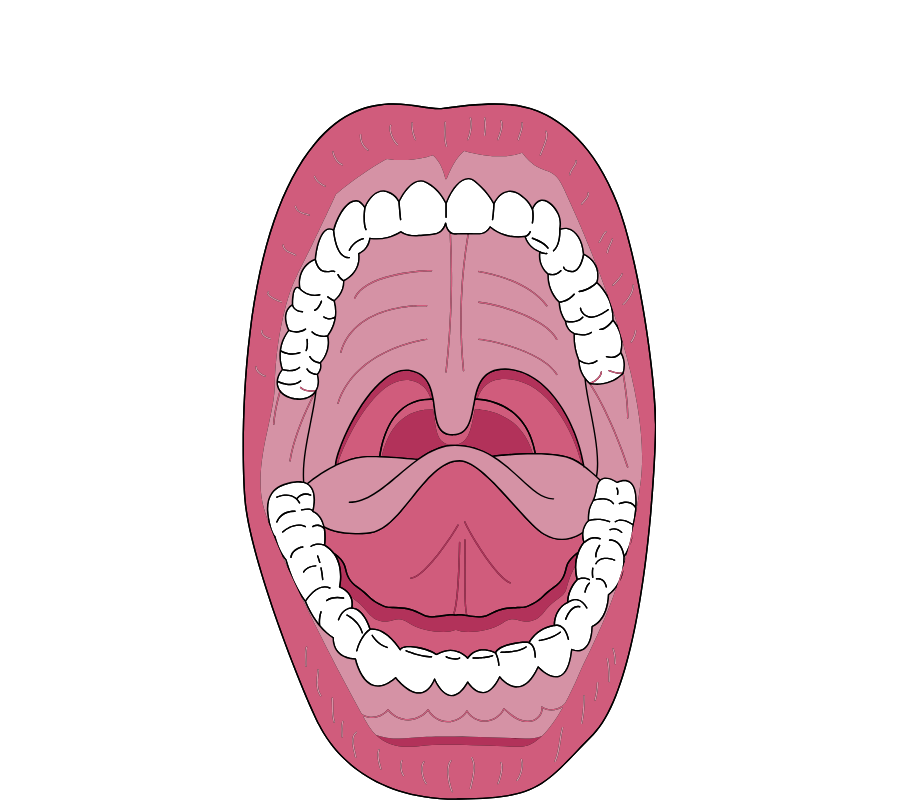
Persistent Symptoms Despite Treatment
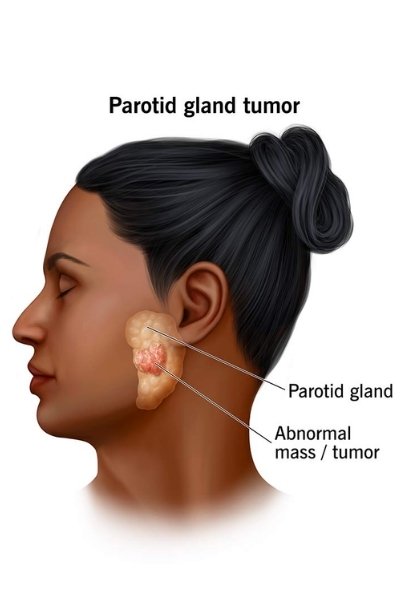
Why Early Specialist Evaluation Matters
A persistent lump or repeated swelling around the salivary glands should not be ignored. Early specialist assessment can help identify the cause, distinguish between benign and potentially serious conditions, and plan treatment before the disease becomes more advanced. Early evaluation may help:
- Identify salivary gland tumours at an earlier stage
- Determine whether a lump is benign or malignant
- Detect obstruction or infection before complications develop
- Plan surgery according to the location and extent of disease
- Protect important structures such as the facial nerve
- Guide additional treatment when cancer is diagnosed

Care
Patient-Centered

Compassion
Human Touch

Cure
Trusted Outcomes

Salivary Gland & Parotid Surgery Options
The surgical approach depends on the affected gland, nature of the condition, and extent of disease.

Parotidectomy
Partial or complete removal of the parotid gland may be performed to treat selected benign or malignant parotid tumours.

Superficial Parotidectomy
Removal of the affected portion of the superficial parotid gland may be recommended for suitable tumours located in this part of the gland.

Total Parotidectomy
More extensive removal of the parotid gland may be required for large, deep, recurrent, or malignant tumours depending on disease involvement.

Submandibular Gland Surgery
Removal of the submandibular gland may be considered for selected tumours, recurrent infections, or persistent problems caused by obstruction.

Salivary Stone Removal
Selected salivary stones may be removed using minimally invasive or surgical techniques depending on their size and location.

Surgery for Salivary Gland Cysts
Certain persistent or symptomatic cysts may require surgical removal after appropriate clinical and imaging evaluation.

Neck Dissection When Required
For selected malignant salivary gland tumours with lymph node involvement or significant risk of spread, neck dissection may form part of the cancer surgery.

Reconstructive Procedures
Complex cases involving significant tissue removal may require reconstructive techniques to restore appearance and function.
Frequently Asked Question
Is every parotid tumour cancerous?
No. Many parotid tumours are benign. However, every persistent or growing parotid lump should be properly evaluated to determine its nature.
Can parotid surgery affect facial movement?
The facial nerve passes through the parotid gland, so temporary or, less commonly, permanent facial weakness can occur after surgery. Surgeons carefully identify and protect the nerve whenever possible.
Will removing a salivary gland affect saliva production?
Usually, removal of one major salivary gland does not cause a significant problem with saliva production because other salivary glands continue to produce saliva.
How is a salivary gland tumour diagnosed?
Evaluation may include clinical examination, ultrasound, CT or MRI, and needle biopsy when appropriate. The final diagnosis may also depend on examination of tissue removed during surgery.
How long does recovery take after parotid surgery?
Recovery varies depending on the extent of surgery and individual healing. Your surgeon will provide specific instructions regarding wound care, activity, and follow-up.
Can salivary gland tumours come back after surgery?
Some tumours can recur, particularly certain benign tumours and malignant or previously treated lesions. Regular follow-up is important for early detection of recurrence.
Take the Next Step Towards Specialist Salivary Gland Care
A persistent lump, recurrent swelling, or diagnosed salivary gland tumour deserves careful specialist evaluation. Early assessment can help establish the diagnosis and determine whether surgery or another treatment approach is appropriate. Book a consultation with our Head & Neck surgical team at VED Hospital to discuss your condition, understand your surgical options, and receive specialised care for salivary gland and parotid disorders.