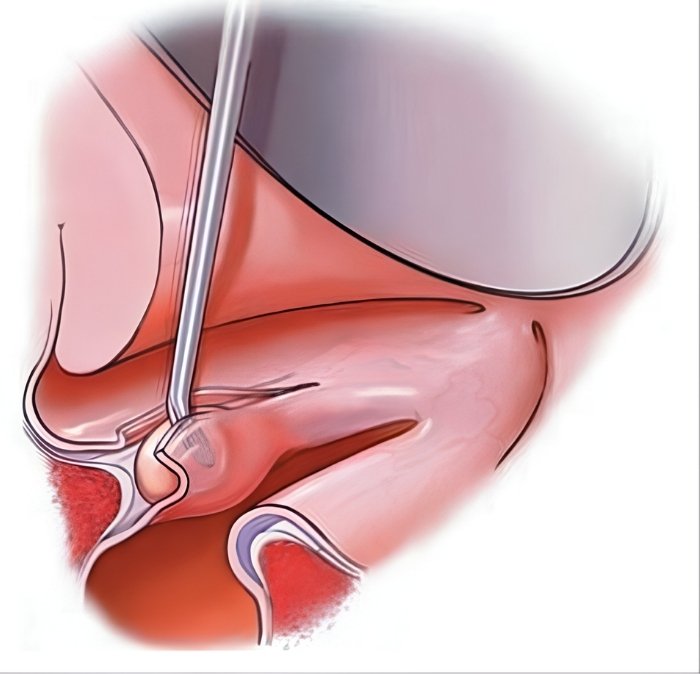


Endolaryngeal Surgery in Mumbai
Advanced Surgical Care for Voice Box Disorders with a Focus on Function Preservation
Endolaryngeal surgery is a minimally invasive procedure performed to diagnose and treat conditions affecting the larynx (voice box). Using specialised instruments and high-definition magnification, surgeons can remove abnormal tissue, treat early laryngeal cancers, vocal cord lesions, and other voice disorders without external incisions in many cases. At VED Hospital, every patient undergoes a comprehensive evaluation to determine whether endolaryngeal surgery is the most appropriate treatment option.
Whether you’re experiencing persistent hoarseness, have been diagnosed with a vocal cord lesion or early laryngeal cancer, or are seeking a second opinion, our ENT and Head & Neck specialists are here to guide you through every stage of diagnosis, treatment, and recovery.
What Brings You Here Today?
Persistent voice changes or throat-related symptoms should never be ignored. If any of these situations sound familiar, specialist evaluation is recommended.
My Voice Has Been Hoarse for Weeks
Hoarseness lasting longer than two to three weeks requires detailed evaluation.
I'm Having Difficulty Speaking Clearly
Changes in voice quality may indicate a condition affecting the vocal cords.
I've Been Diagnosed with a Vocal Cord Growth
Benign or suspicious lesions often require specialist assessment before treatment.
I've Been Diagnosed with Early Laryngeal Cancer
Understanding whether endolaryngeal surgery is suitable can help you make informed treatment decisions.
I've Been Advised to Undergo Endolaryngeal Surgery
Learning about the procedure and recovery can help you prepare with confidence.
I'm Looking for a Second Opinion
A specialist review can help confirm the diagnosis and discuss the most appropriate treatment approach.
Understanding Endolaryngeal Surgery
Endolaryngeal surgery is a minimally invasive surgical technique used to treat diseases affecting the larynx through the mouth without making external cuts in the neck. It is commonly performed for selected benign vocal cord lesions, precancerous changes, and early-stage laryngeal cancers while aiming to preserve normal voice and swallowing function whenever possible.
The procedure is performed under general anaesthesia using specialised laryngoscopes, microscopes, or laser technology depending on the condition being treated.
Why Early Specialist Evaluation Matters
Persistent voice changes should never be ignored. Early evaluation helps identify conditions affecting the larynx before they become more advanced and allows timely treatment when necessary. Early specialist assessment may help:
- Detect laryngeal disorders at an early stage
- Identify cancer before it progresses
- Preserve normal voice and swallowing function
- Improve treatment planning
- Reduce the need for more extensive surgery
- Support better long-term treatment outcomes

Care
Patient-Centered

Compassion
Human Touch

Cure
Trusted Outcomes

Treatment Options for Laryngeal Conditions
The recommended treatment depends on the diagnosis, extent of the disease, and the patient’s voice and functional requirements.

Medical Management
Some inflammatory or infection-related conditions may improve with medication, voice rest, and treatment of the underlying cause.

Voice Therapy
Speech and voice therapy may be recommended for selected voice disorders, either before or after surgery, to improve vocal function.

Endolaryngeal Microsurgery
Using specialised microscopic instruments, surgeons remove abnormal tissue through the mouth without external incisions while preserving healthy surrounding structures whenever possible.

Laser-Assisted Endolaryngeal Surgery
Laser technology allows precise removal of selected lesions with minimal damage to nearby tissues and is commonly used for early laryngeal cancers and certain benign conditions.

Biopsy of Laryngeal Lesions
Suspicious growths or abnormal areas can be biopsied during the procedure to establish an accurate diagnosis and guide further treatment.

Cancer-Specific Treatment
Patients with laryngeal cancer may require surgery, radiation therapy, chemotherapy, or a combination of treatments depending on the stage of the disease.

Reconstructive & Rehabilitation Support
When required, voice rehabilitation and swallowing therapy help patients regain function following treatment.

Long-Term Follow-Up
Regular laryngoscopic examinations and clinical reviews help monitor healing, assess voice quality, and detect recurrence or new lesions at an early stage.

Finding the Right Diagnosis Starts with Understanding the Whole Picture
Before recommending endolaryngeal surgery, our specialists carefully evaluate the voice box, vocal cords, surrounding structures, and your overall health to determine the most appropriate treatment plan.

Medical History
Understanding your symptoms, smoking history, voice use, previous treatments, and overall health.

Clinical Examination
A detailed ENT examination helps assess the throat, neck, and associated structures.

Laryngoscopy & Voice Assessment
Flexible or rigid laryngoscopy allows direct visualisation of the vocal cords and helps evaluate movement, lesions, and voice function.
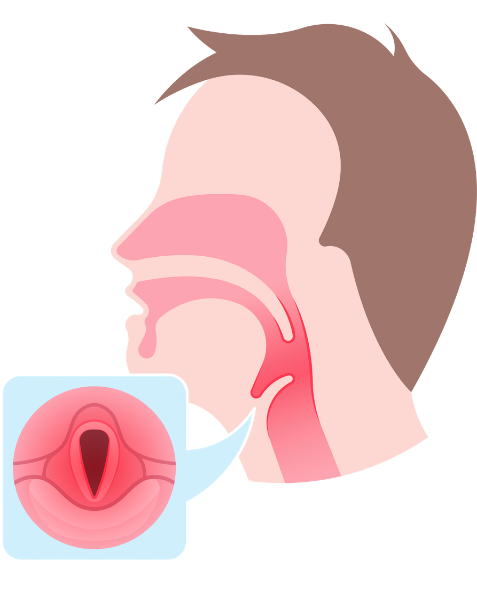

Imaging & Additional Investigations
CT scan, MRI, biopsy, or other investigations may be recommended depending on the suspected condition.

Diagnosis & Treatment Planning
All findings are carefully reviewed to determine whether endolaryngeal surgery or another treatment approach is most appropriate.

Multidisciplinary Care When Required
For cancer-related conditions, ENT surgeons work closely with head and neck surgeons, medical oncologists, radiation oncologists, radiologists, and pathologists to plan comprehensive treatment.
Frequently Asked Question
Will this surgery affect my voice permanently?
The goal of endolaryngeal surgery is to treat the condition while preserving voice quality whenever possible. Voice changes during recovery are common, but long-term results depend on the underlying disease and extent of surgery.
Is endolaryngeal surgery used for cancer?
Yes. It is commonly used to treat selected early-stage laryngeal cancers as well as certain precancerous and benign vocal cord lesions.
Will I need to stay in the hospital?
Many patients have a short hospital stay, although this depends on the complexity of the procedure, your overall health, and the condition being treated.
Will I need voice therapy after surgery?
Some patients benefit from speech and voice therapy after surgery to improve vocal quality and support recovery, particularly if the vocal cords have been affected.
Can laryngeal conditions return after treatment?
Some benign lesions and cancers may recur. Regular follow-up examinations allow early detection and timely management if new changes develop.
Take the Next Step Towards Better Voice & Laryngeal Health
If you’re experiencing persistent hoarseness, have been diagnosed with a vocal cord lesion, or have been advised to undergo endolaryngeal surgery, timely specialist evaluation can help determine the most appropriate treatment. Book a consultation with our ENT and Head & Neck specialists at VED Hospital to understand your diagnosis, explore your treatment options, and receive expert care focused on preserving your voice and quality of life.