Cervical Cancer Treatment in Mumbai
Expert Care for Cervical Cancer with the Right Treatment at Every Stage
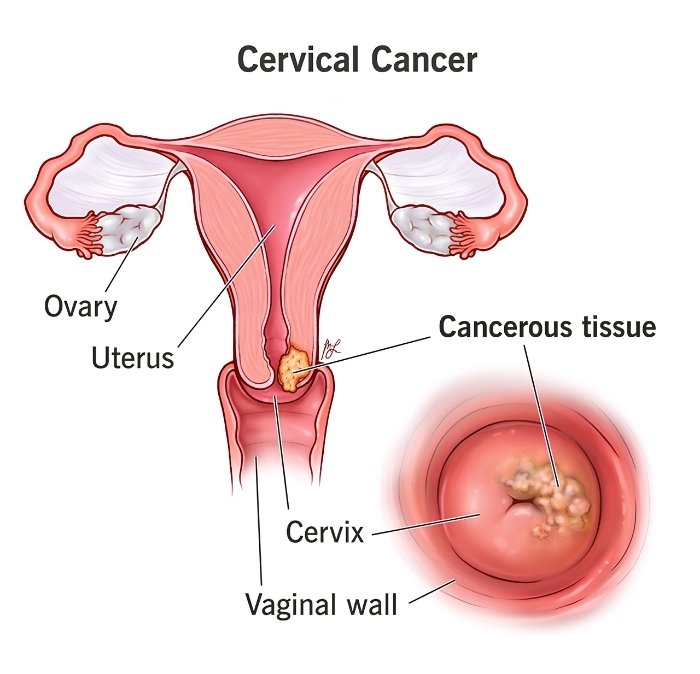
Cervical cancer develops in the cervix, the lower part of the uterus that connects to the vagina. In many cases, it develops gradually over several years, often beginning with precancerous changes that can be detected through regular screening. When diagnosed early, cervical cancer is highly treatable. At VED Hospital, every patient undergoes a comprehensive evaluation to determine the stage of the disease and the most appropriate combination of surgery, radiation therapy, chemotherapy, targeted therapy, immunotherapy, or other treatments.
Whether you’ve recently been diagnosed with cervical cancer, have abnormal bleeding that needs evaluation, or are seeking a second opinion, our multidisciplinary cancer team is here to guide you through every stage of diagnosis, treatment, and recovery.
What Brings You Here Today?
Changes in vaginal bleeding or persistent pelvic symptoms should never be ignored. If any of these situations sound familiar, it’s important to seek specialist evaluation.
I'm Having Bleeding After Intercourse
Bleeding after sexual intercourse is not normal and should always be medically evaluated.
I've Been Experiencing Bleeding Between Periods
Unexpected vaginal bleeding between menstrual cycles requires further assessment.
I've Been Having Persistent Pelvic Pain
Ongoing pelvic pain or pressure should not be ignored, especially if it continues for several weeks.
I've Been Diagnosed with Cervical Cancer
Understanding your treatment options can help you make informed decisions with confidence.
I've Been Advised to Undergo Cancer Treatment
Learning about cervical cancer treatment options can help you prepare for the next steps.
I'm Looking for a Second Opinion
A specialist review can help confirm your diagnosis and discuss the most appropriate treatment plan.
Understanding Cervical Cancer
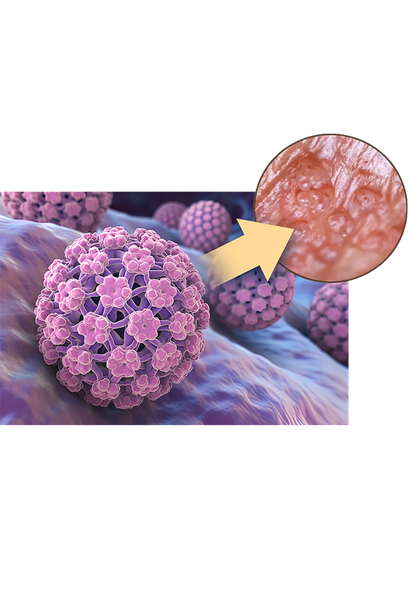
Cervical cancer develops when abnormal cells grow in the cervix. Most cervical cancers are linked to long-term infection with certain types of the Human Papillomavirus (HPV). Regular cervical screening and HPV vaccination have helped reduce the incidence of cervical cancer, while early detection significantly improves treatment outcomes.
Treatment depends on the stage of the cancer, tumour size, lymph node involvement, and your overall health.
Who May Be at Higher Risk?
Having one or more risk factors does not necessarily mean you will develop cervical cancer. Likewise, some women diagnosed with cervical cancer have no obvious risk factors. Although cervical cancer can occur in any woman, certain factors may increase the likelihood of developing the disease.

Persistent HPV Infection

Not Having Regular Cervical Screening

Smoking

Weakened Immune System

Early Sexual Activity

Multiple Sexual Partners

Previous Cervical Precancerous Changes

Long-Term Oral Contraceptive Use

Family History
Symptoms That Shouldn't Be Ignored
Early assessment helps determine whether these symptoms are related to cervical cancer or another gynecological condition. Persistent gynecological symptoms should always be evaluated by a specialist.
- Bleeding after intercourse
- Bleeding between menstrual periods
- Bleeding after menopause
- Persistent watery or blood-stained discharge
- Ongoing pelvic pain or pressure
- Pain during sexual intercourse
- Unexplained weight loss
- Persistent fatigue or weakness

Care
Patient-Centered

Compassion
Human Touch

Cure
Trusted Outcomes

Exploring Your Cervical Cancer Treatment Options
The recommended treatment depends on the stage of the disease, tumour characteristics, and your overall health. In many cases, treatment involves more than one approach.

Cervical Cancer Surgery
For early-stage cervical cancer, surgery may involve removal of the cervix, uterus, surrounding tissues, and nearby lymph nodes depending on the extent of the disease. In carefully selected women with very early-stage cancer, fertility-preserving procedures may also be considered.

Radiation Therapy
Radiation therapy is commonly used for locally advanced cervical cancer or after surgery when there is a higher risk of recurrence. It may be delivered as external beam radiation therapy, brachytherapy, or a combination of both.

Chemotherapy
Chemotherapy is often given alongside radiation therapy to improve treatment effectiveness or may be used for advanced or recurrent cervical cancer.

Targeted Therapy & Immunotherapy
Selected patients with advanced or recurrent cervical cancer may benefit from targeted medicines or immunotherapy based on specialised tumour testing.

Fertility-Preserving Treatment
For carefully selected women with very early-stage cervical cancer who wish to have children in the future, fertility-preserving treatment options may be discussed after detailed evaluation.

Treatment for Advanced Cervical Cancer
When the cancer has spread beyond the cervix, treatment focuses on controlling the disease, relieving symptoms, slowing progression, and improving quality of life through an appropriate combination of therapies.

Long-Term Follow-Up
Regular follow-up visits, pelvic examinations, imaging when required, and clinical assessments help monitor recovery, evaluate treatment response, and detect recurrence at an early stage.

Palliative & Supportive Care
For advanced cervical cancer or when symptom management becomes an important part of treatment, supportive care focuses on relieving pain, controlling symptoms, improving comfort, maintaining nutrition, and enhancing quality of life alongside ongoing cancer treatment whenever appropriate.

Finding the Right Diagnosis Starts with Understanding the Whole Picture
Before recommending treatment, our specialists carefully evaluate the tumour, nearby tissues, lymph nodes, and your overall health to determine the most appropriate treatment strategy.

Medical History
Understanding your symptoms, menstrual history, previous Pap smear results, HPV history, medical conditions, and overall health.

Clinical & Pelvic Examination
A detailed gynecological examination helps assess the cervix and identify any visible abnormalities.

Advanced Imaging
MRI, CT scan, PET-CT, or ultrasound may be recommended to evaluate tumour size, lymph node involvement, and possible spread.


Pap Smear, HPV Testing & Biopsy
Screening tests and a biopsy help confirm the diagnosis and determine the type of cervical cancer.

Cancer Staging
Clinical findings, biopsy results, and imaging studies are combined to accurately determine the stage of the disease.

Multidisciplinary Treatment Planning
Our gynecologic oncology, medical oncology, radiation oncology, radiology, pathology, and anaesthesia teams review all findings before recommending the most appropriate treatment plan.

Frequently Asked Question
Is cervical cancer curable if detected early?
Yes. When diagnosed in its early stages, cervical cancer is often highly treatable. Regular screening and timely treatment significantly improve the chances of successful outcomes.
Will every patient need surgery?
No. The treatment depends on the stage of the disease. Early-stage cervical cancer may be treated with surgery, while locally advanced cancers are often managed with a combination of radiation therapy and chemotherapy.
Can I preserve my fertility after cervical cancer treatment?
Some women with very early-stage cervical cancer may be suitable for fertility-preserving treatment. This depends on the size, stage, and type of the tumour and should be discussed with your specialist.
What is brachytherapy?
Brachytherapy is a form of internal radiation therapy in which the radiation source is placed close to the tumour. It is commonly used as part of cervical cancer treatment to deliver a high dose of radiation directly to the affected area.
How often will I need follow-up after treatment?
Follow-up usually includes pelvic examinations, clinical assessments, and imaging when required to monitor recovery and detect recurrence at an early stage.
Can cervical cancer come back after treatment?
Although many women achieve good long-term outcomes, recurrence is possible. Regular follow-up helps identify any recurrence early, allowing timely evaluation and additional treatment if required.
Take the Next Step Towards Expert Cervical Cancer Care
If you’ve been diagnosed with cervical cancer or are experiencing abnormal vaginal bleeding or other concerning symptoms, timely specialist care can make an important difference in your treatment journey. Book a consultation with our cancer specialists at VED Hospital to discuss your diagnosis, understand your treatment options, and receive expert guidance for cervical cancer treatment.