
Sinonasal Cancer & Endonasal Cancer Surgery in Mumbai

Advanced Surgical Care for Cancers of the Nose & Paranasal Sinuses

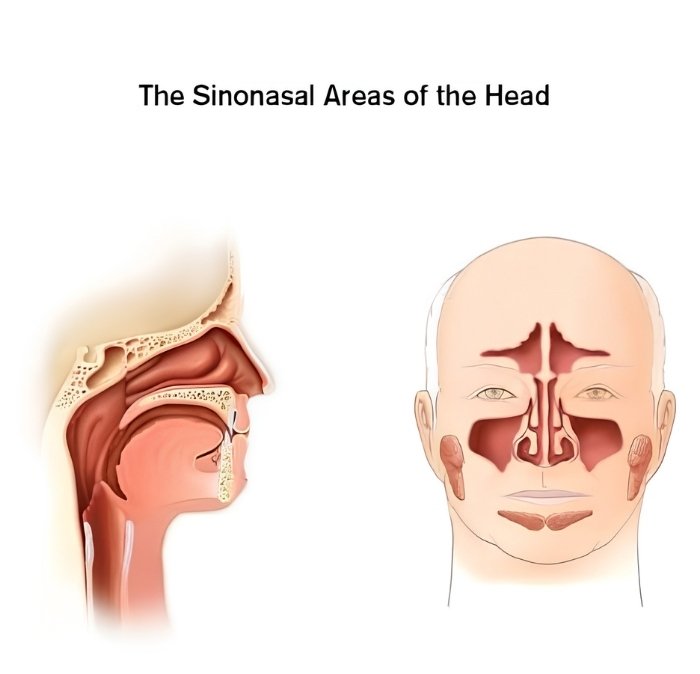
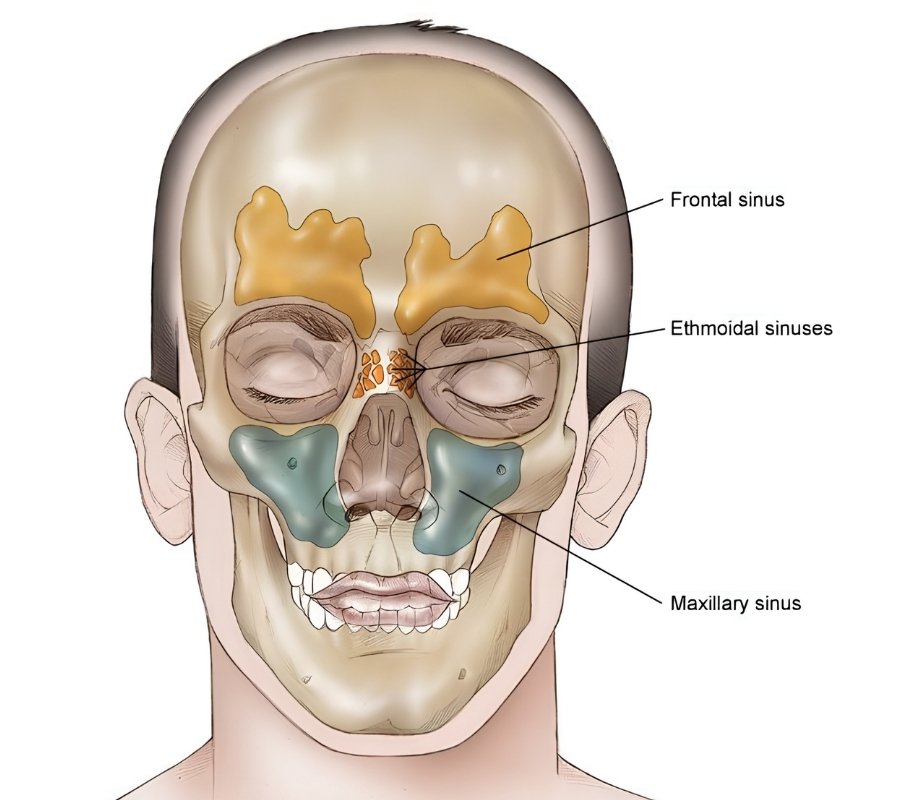
Sinonasal cancers are uncommon cancers that develop inside the nasal cavity or the paranasal sinuses. Because these areas are located close to the eyes, brain, and important nerves, treatment requires careful planning and specialised surgical expertise. Depending on the type, location, and stage of the tumour, surgery may be performed using advanced endonasal (through the nose) techniques or conventional surgical approaches. At VED Hospital, every patient undergoes a comprehensive evaluation to determine the most appropriate treatment plan, with the goal of complete tumour removal while preserving normal function whenever medically possible.

Whether you’ve been diagnosed with sinonasal cancer, have been advised to undergo endonasal cancer surgery, or are seeking a second opinion, our Head & Neck Cancer specialists are here to guide you through every stage of diagnosis, treatment, and recovery.

What Brings You Here Today?

Many symptoms of sinonasal cancer resemble common sinus problems, which is why persistent symptoms should not be ignored. If any of these situations sound familiar, specialist evaluation is recommended.

Understanding Sinonasal Cancer & Endonasal Surgery

Sinonasal cancers develop in the nasal cavity or the air-filled sinuses surrounding the nose. Although rare, these cancers require specialised treatment because of their proximity to the eyes, skull base, brain, and major blood vessels.

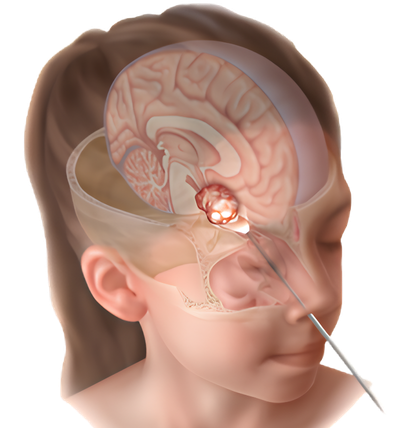
For selected patients, endonasal surgery allows surgeons to access and remove tumours through the natural nasal passages using high-definition endoscopic equipment, avoiding external facial incisions. However, some patients may require open surgery or a combination of surgical approaches depending on the extent of the disease.

Why Early Specialist Evaluation Matters

Persistent nasal symptoms should not always be attributed to allergies or sinus infections. Early evaluation helps detect sinonasal cancers before they spread to nearby structures, allowing more treatment options and better functional outcomes. Early specialist assessment may help:

Care

Patient-Centered

Compassion

Human Touch

Cure

Trusted Outcomes

Treatment Options for Sinonasal Cancer

The recommended treatment depends on the type of tumour, its extent, and the patient’s overall condition.

Endoscopic Endonasal Surgery

Selected tumours can be removed through the nose using high-definition endoscopic techniques without external facial incisions whenever medically appropriate.

Open Sinonasal Surgery

Large or complex tumours involving surrounding structures may require conventional open surgery to achieve complete tumour removal.

Skull Base Surgery

If the tumour extends towards the skull base, specialised skull base surgical techniques may be required as part of treatment.

Microvascular Reconstruction

When extensive tissue removal is necessary, reconstructive surgery using tissue transfer techniques helps restore appearance and function.

Radiation Therapy

Radiation therapy may be recommended after surgery or, in selected cases, as the primary treatment to reduce the risk of recurrence.

Chemotherapy & Targeted Therapy

Certain patients may benefit from chemotherapy, targeted therapy, or combined treatment depending on the tumour type and stage.

Supportive Rehabilitation

Patients may require rehabilitation for nasal function, speech, swallowing, or other treatment-related concerns during recovery.

Long-Term Follow-Up

Regular examinations, nasal endoscopy, and imaging studies help monitor healing, assess treatment response, and detect recurrence at an early stage.
Finding the Right Diagnosis Starts with Understanding the Whole Picture

Before recommending sinonasal or endonasal cancer surgery, our specialists carefully assess the tumour, surrounding structures, and your overall health to determine the safest and most effective treatment approach.

Medical History

Understanding your symptoms, smoking history, occupational exposures, previous sinus conditions, biopsy reports, and overall health.

Clinical Examination

A detailed examination of the nose, sinuses, mouth, throat, neck, and surrounding structures helps identify the extent of disease.

Nasal Endoscopy

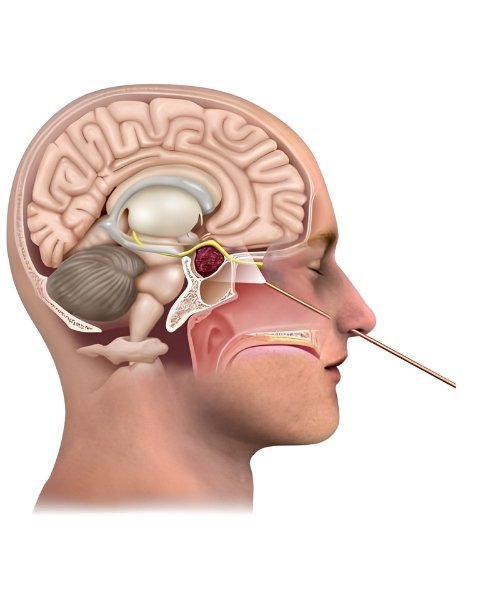
A specialised endoscope allows direct visualisation of the nasal cavity and tumour while helping assess its size and location.

Advanced Imaging

CT scan, MRI, PET-CT, or other imaging studies help evaluate tumour extent, nearby bone involvement, skull base extension, and lymph nodes.

Biopsy & Diagnosis

A biopsy confirms the diagnosis and provides essential information for treatment planning.

Multidisciplinary Treatment Planning

Complex cases are reviewed by Head & Neck surgeons, ENT surgeons, skull base surgeons, medical oncologists, radiation oncologists, radiologists, pathologists, and anaesthesia specialists.

Frequently Asked Question

Will every sinonasal cancer require open surgery?

No. Many early or appropriately located tumours can be treated using endoscopic techniques. The choice of surgery depends on the tumour’s size, location, and extent.

Can sinonasal cancer spread to nearby structures?

Yes. If left untreated, these cancers may spread to nearby areas such as the eyes, skull base, or brain, making early diagnosis and treatment particularly important.

Will I need radiation or chemotherapy after surgery?

Some patients require additional treatment after surgery depending on the final pathology report, tumour stage, and overall treatment plan.

How long is the recovery after surgery?

Recovery varies depending on the complexity of the surgery and whether reconstruction or additional treatment is required. Your healthcare team will provide personalised recovery guidance.

Will I need regular follow-up after treatment?

Yes. Regular follow-up with nasal endoscopy, imaging, and clinical examinations is essential to monitor recovery and detect recurrence as early as possible.

Take the Next Step Towards Expert Sinonasal Cancer Care

If you’ve been diagnosed with sinonasal cancer or have been advised to undergo endonasal cancer surgery, timely specialist evaluation can help determine the safest and most appropriate treatment strategy. Book a consultation with our Head & Neck Cancer specialists at VED Hospital to discuss your diagnosis, understand your treatment options, and receive expert care using advanced surgical techniques focused on achieving the best possible outcomes.

Scroll to Top