Piles Treatment in Mumbai
Effective Treatment for Piles, Haemorrhoids & Rectal Discomfort
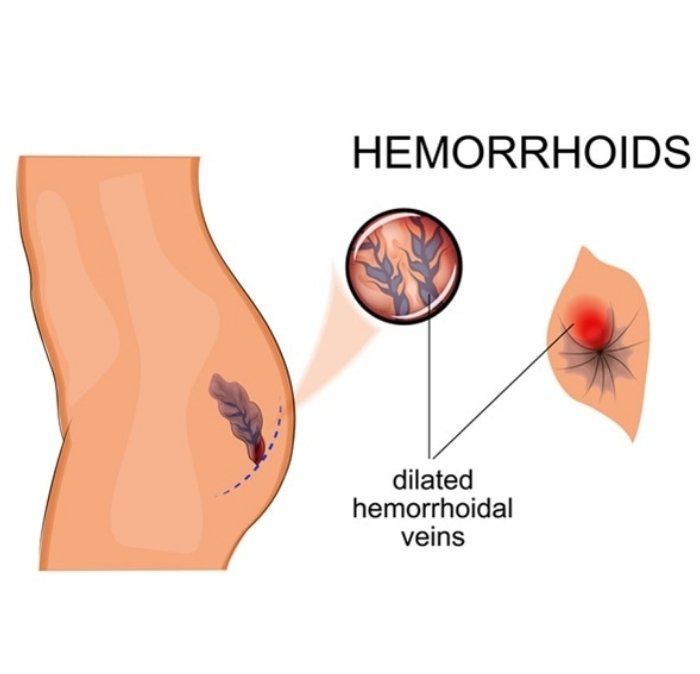
Piles, also known as haemorrhoids, are swollen blood vessels in and around the anus or lower rectum. They are common and can cause bleeding, pain, itching, swelling, or discomfort during bowel movements. While mild piles may improve with lifestyle changes and medication, persistent or advanced haemorrhoids may require a procedure or surgery.
At VED Hospital, our general surgery team provides evaluation and treatment for different types and stages of piles. Treatment is selected according to the severity of symptoms, type of haemorrhoids, presence of complications, and your overall health. The aim is to relieve symptoms, treat the underlying problem, and help prevent recurrence.
Whether you have recently noticed blood during bowel movements, are experiencing painful swelling, or have been dealing with piles for a long time, our specialists can help you understand the cause and choose the appropriate treatment.
What Brings You Here Today?
Piles can cause symptoms that range from mild discomfort to persistent pain and bleeding. If any of these situations sound familiar, specialist evaluation can help determine the cause and appropriate treatment.
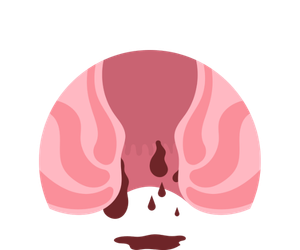
I Notice Blood During Bowel Movements
Bright red blood on toilet paper, stool, or in the toilet bowl may occur with haemorrhoids but should be properly evaluated.
I Have Pain or Discomfort While Passing Stool
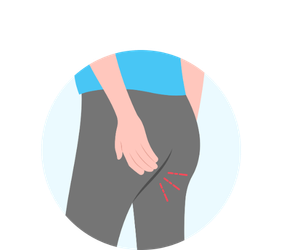
Pain or discomfort during bowel movements may occur when haemorrhoids become irritated, swollen, or thrombosed.
I Feel a Lump Near the Anus
A swelling or lump around the anus may be caused by an external haemorrhoid or a prolapsed internal haemorrhoid.
I Have Persistent Itching or Irritation
Repeated itching, moisture, or irritation around the anal area can occur with haemorrhoids and other anorectal conditions.
My Piles Keep Coming Back
Recurrent symptoms despite dietary changes or medication may indicate the need for a more detailed evaluation.
I've Been Advised to Undergo a Piles Procedure
If conservative treatment has not provided sufficient relief, a specialist can explain whether a minimally invasive procedure or surgery is appropriate.
Understanding Piles & Haemorrhoids
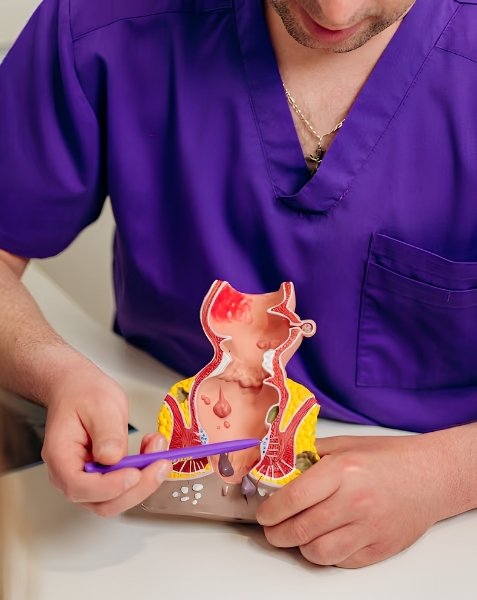
Haemorrhoids are swollen and enlarged blood vessels in the lower rectum or around the anus. They are broadly classified as internal haemorrhoids, which develop inside the rectum, and external haemorrhoids, which develop under the skin around the anus.
Factors such as constipation, prolonged straining, pregnancy, excess body weight, low dietary fibre, and prolonged sitting on the toilet can increase the risk of developing piles. Symptoms vary depending on the type and severity of haemorrhoids.
When Is Piles Treatment or Surgery Considered?
Not every case of piles requires surgery. Many patients improve with dietary changes, medicines, and lifestyle modifications, while procedures are considered for selected patients with persistent or advanced disease. Treatment depends on the severity of symptoms and whether lifestyle changes and medicines have provided adequate relief.

Persistent Rectal Bleeding
Painful Haemorrhoids
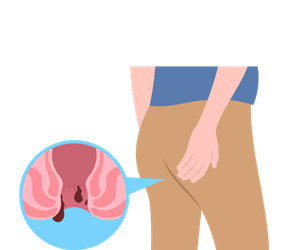
Prolapsed Haemorrhoids
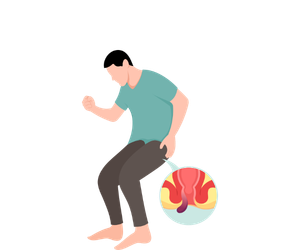
Recurrent Piles
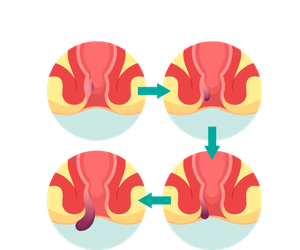
Large or Advanced Haemorrhoids
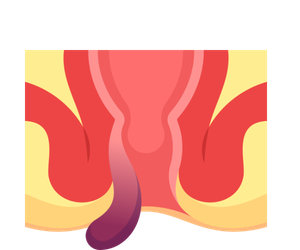
Thrombosed External Haemorrhoids
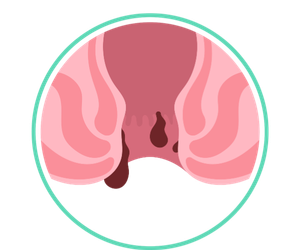
Persistent Symptoms Despite Medication

Difficulty Maintaining Anal Hygiene
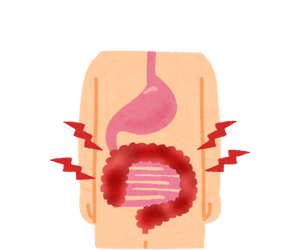
Uncertain Cause of Rectal Bleeding
Choosing the Right Treatment for Piles
Treatment for piles depends on the type and severity of haemorrhoids, the symptoms you are experiencing, and whether previous treatments have provided relief. Many patients improve with dietary and lifestyle changes, while persistent or advanced piles may require a minimally invasive procedure or surgery.
- Type of haemorrhoids
- Grade and severity of piles
- Frequency of bleeding
- Degree of pain or discomfort
- Presence of prolapse
- Constipation and bowel habits
- Previous treatments received
- Presence of thrombosis or complications
- Overall health and treatment suitability

Care
Patient-Centered

Compassion
Human Touch

Cure
Trusted Outcomes

Piles Treatment Options
Depending on the severity of haemorrhoids, treatment may range from lifestyle measures and medicines to minimally invasive procedures and surgery.

Diet & Lifestyle Modification
Increasing dietary fibre, drinking adequate fluids, avoiding excessive straining, and maintaining healthy bowel habits can help relieve symptoms and reduce recurrence.

Medication & Stool-Softening Measures
Medicines, topical treatments, and stool-softening measures may help reduce pain, itching, swelling, and constipation in suitable cases.

Rubber Band Ligation
A small rubber band is placed around the base of an internal haemorrhoid to cut off its blood supply, causing it to shrink and eventually fall away.

Injection Sclerotherapy
A specialised solution is injected into selected internal haemorrhoids to reduce their size and control bleeding.

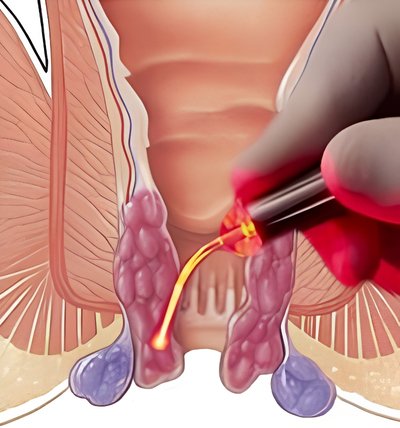
Infrared Coagulation
Controlled heat is used to treat selected internal haemorrhoids by reducing their blood supply and encouraging the treated tissue to shrink.

Haemorrhoidectomy
Surgical removal of haemorrhoidal tissue may be recommended for large, advanced, recurrent, or severely symptomatic piles.

Stapled Haemorrhoidopexy
A stapling device may be used in selected patients with prolapsing internal haemorrhoids to reposition the tissue and reduce its blood supply.

Treatment of Thrombosed Haemorrhoids
A painful external haemorrhoid containing a blood clot may require timely medical or surgical treatment depending on the severity and duration of symptoms.
Frequently Asked Question
Can piles go away without surgery?
Yes. Mild haemorrhoids often improve with dietary changes, increased fibre, adequate fluids, medicines, and improved bowel habits. More advanced piles may require a procedure or surgery.
Is every case of rectal bleeding caused by piles?
No. Rectal bleeding can have several causes. It is important to have persistent or unexplained bleeding evaluated rather than assuming it is caused by haemorrhoids.
What is the fastest treatment for piles?
The appropriate treatment depends on the type and severity of haemorrhoids. Some patients improve with medical treatment, while others may benefit from an office-based procedure or surgery.
Is piles surgery painful?
The amount of discomfort varies depending on the procedure performed. Some minimally invasive procedures cause relatively little discomfort, while recovery after conventional haemorrhoidectomy can involve more postoperative pain.
How can I prevent piles from coming back?
Maintaining adequate fibre intake, drinking enough fluids, avoiding excessive straining, staying physically active, and treating constipation can help reduce the risk of recurrence.
When should I see a surgeon for piles?
You should consider specialist evaluation if you have persistent bleeding, significant pain, recurrent piles, a prolapsed lump, or symptoms that do not improve with lifestyle changes and medicines.
Take the Next Step Towards Comfortable Bowel Health
Book a consultation with our general surgery team at VED Hospital to understand your symptoms, explore your treatment options, and receive specialised care for piles and haemorrhoids.