

Appendix Surgery in Mumbai

Specialised Surgical Care for Appendicitis & Appendix Conditions

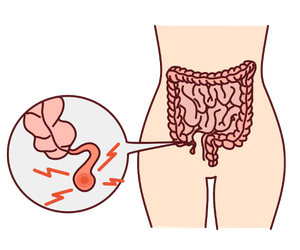
The appendix is a small pouch attached to the large intestine and can become inflamed, infected, or affected by tumours and other conditions. Appendicitis is one of the most common reasons for emergency abdominal surgery and may require prompt treatment to prevent complications such as perforation, abscess formation, or infection within the abdomen.

At VED Hospital, our surgical team provides evaluation and treatment for acute appendicitis, complicated appendicitis, appendicular abscess, and selected tumours of the appendix. Depending on the condition, surgery may be performed using minimally invasive laparoscopic techniques or through an open approach when required.

Whether you are experiencing sudden abdominal pain, have been diagnosed with appendicitis, or have been advised to undergo appendix surgery, our specialists provide care from diagnosis and treatment planning through recovery and follow-up.

What Brings You Here Today?

Appendix-related conditions can cause sudden or gradually increasing abdominal symptoms. If any of these situations sound familiar, timely surgical evaluation can help prevent complications.

Understanding Appendix Conditions

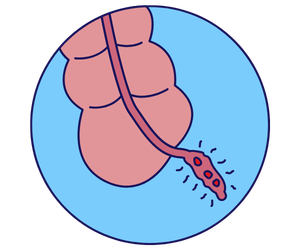
The appendix can become inflamed due to blockage of its opening, leading to a condition called appendicitis. Without appropriate treatment, inflammation can progress to perforation, abscess formation, or infection spreading within the abdominal cavity.

Appendix tumours are less common but can sometimes be discovered unexpectedly during surgery or imaging. Their treatment depends on the type, size, location, and whether the tumour has spread beyond the appendix.

When Is Appendix Surgery Considered?

Not every case of abdominal pain requires appendix surgery. A clinical examination and appropriate investigations are essential before deciding on treatment. Surgery may be recommended when inflammation, infection, complications, or an abnormal growth affects the appendix.

Acute Appendicitis

Perforated Appendix

Appendicular Abscess
Recurrent Appendicitis

Gangrenous Appendix

Appendix Tumours

Appendiceal Mucoceles

Peritoneal Spread from Appendiceal Tumours

Suspicious Appendix Lesions


Choosing the Right Surgical Approach for Appendix Conditions

Appendix surgery is not the same for every patient. The appropriate treatment depends on the severity of inflammation, whether the appendix has perforated, the presence of an abscess, the patient’s overall health, and whether an abnormal growth is involved. After a detailed evaluation, our surgical team recommends the safest and most appropriate approach.

Care

Patient-Centered

Compassion

Human Touch

Cure

Trusted Outcomes

Appendix Surgery Options

The surgical approach depends on the underlying condition and its severity.

Laparoscopic Appendectomy

The inflamed appendix is removed through small abdominal incisions using a camera and specialised surgical instruments.

Open Appendectomy

An open surgical approach may be recommended in complicated cases, extensive infection, perforation, or when laparoscopic surgery is not suitable.

Emergency Appendectomy

Urgent removal of the appendix may be required when acute appendicitis is confirmed or complications are developing.

Appendectomy for Perforated Appendix

A ruptured appendix may require removal along with thorough cleaning of infection from the abdominal cavity.

Abscess Drainage

A significant appendicular abscess may initially require image-guided drainage and antibiotics, followed by surgery in selected patients.

Interval Appendectomy

After successful treatment of complicated appendicitis, planned appendix removal may be considered in selected patients to reduce the risk of recurrent appendicitis.

Appendix Tumour Surgery

Small or selected appendiceal tumours may be treated with appendectomy, while larger or more advanced tumours may require additional bowel or abdominal surgery.

Cytoreductive Surgery with HIPEC

Selected appendiceal cancers that have spread within the abdominal cavity may require cytoreductive surgery followed by heated intraperitoneal chemotherapy.


Frequently Asked Question

Is appendix surgery always required for appendicitis?

Surgery is commonly recommended for acute appendicitis, although selected patients may be treated with antibiotics under specialist supervision. The appropriate approach depends on the individual case.

Is laparoscopic appendix surgery safe?

Laparoscopic appendectomy is a well-established procedure and is suitable for many patients. In complicated cases, an open approach may sometimes be safer or more appropriate.

How long does recovery take after appendectomy?

Recovery depends on whether the appendicitis was uncomplicated or complicated. Many patients return to normal activities within a few weeks, while perforation or extensive infection may require a longer recovery.

What happens if the appendix bursts?

A ruptured appendix can spread infection into the abdominal cavity and may cause an abscess or peritonitis. It requires prompt medical and surgical management.

Can appendicitis come back after appendix removal?

Once the appendix has been completely removed, typical appendicitis cannot recur. However, rare inflammation of a small remaining appendiceal stump can occur.

Can an appendix tumour be treated with surgery?

Yes. Surgery is an important treatment for many appendiceal tumours. The extent of surgery depends on the tumour type, size, location, and whether it has spread.

Take the Next Step Towards Timely Appendix Care

Book a consultation with our general surgery team at VED Hospital to discuss your symptoms, understand your treatment options, and receive specialised care for appendix conditions.

Scroll to Top