
Kidney Stone Treatment in Mumbai
Expert Care for Kidney Stones with Advanced & Minimally Invasive Treatment Options
Kidney stones are one of the most common urological conditions and can cause severe pain, urinary discomfort, infection, or blockage of urine flow. While some small stones may pass naturally, others require medical treatment or specialised procedures to prevent complications and protect kidney function. At VED Hospital, our urology team provides comprehensive evaluation and treatment for kidney stones using medical management, endoscopic procedures, laser technology, and minimally invasive surgery whenever required.
Whether you’ve recently experienced severe flank pain, have been diagnosed with kidney stones, or are seeking a second opinion, our specialists are here to guide you through every stage of diagnosis, treatment, and recovery.
What Brings You Here Today?
Kidney stones often cause sudden symptoms, but some remain unnoticed until they begin blocking the urinary tract. If any of these situations sound familiar, specialist evaluation is recommended.
I Have Severe Pain in My Back or Side
Sharp pain near the kidney area may be caused by a stone moving through the urinary tract.
There's Blood in My Urine
Visible or microscopic blood in the urine can occur due to irritation caused by kidney stones.
I'm Having Pain While Passing Urine
Burning or discomfort during urination may occur when a stone moves closer to the bladder.
I've Been Diagnosed with a Kidney Stone
Understanding the size, location, and treatment options helps determine the best approach.
I've Had Kidney Stones Before
People with previous stones have a higher chance of developing them again and may benefit from preventive evaluation.
I'm Looking for a Second Opinion
A specialist review can help confirm whether observation, medical treatment, or a procedure is the most appropriate option.
Understanding Kidney Stones
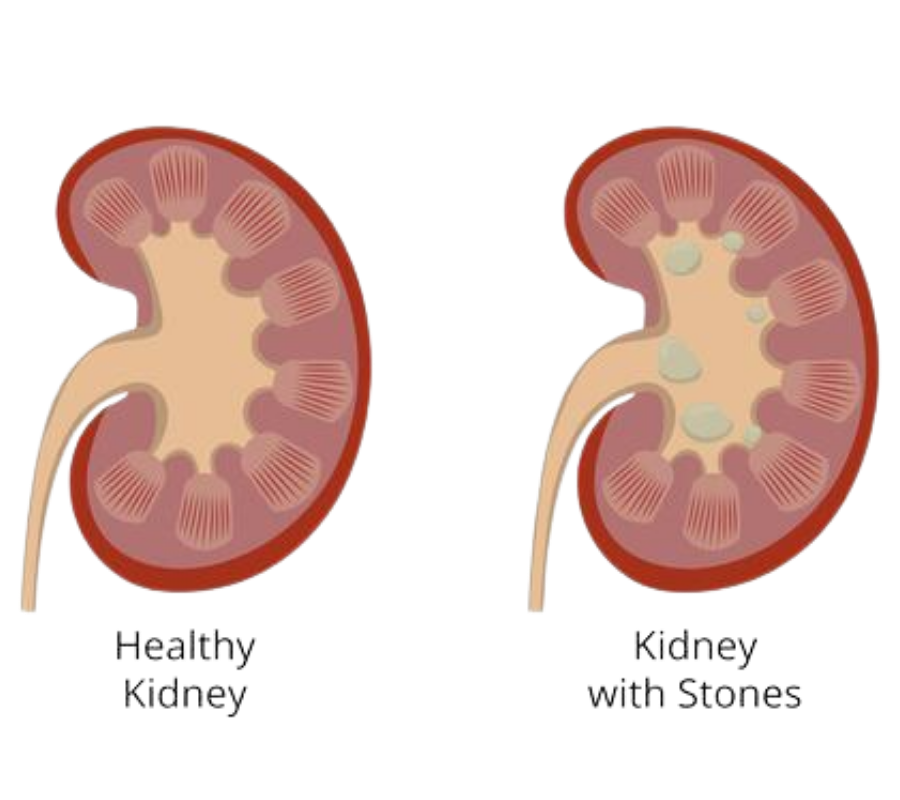
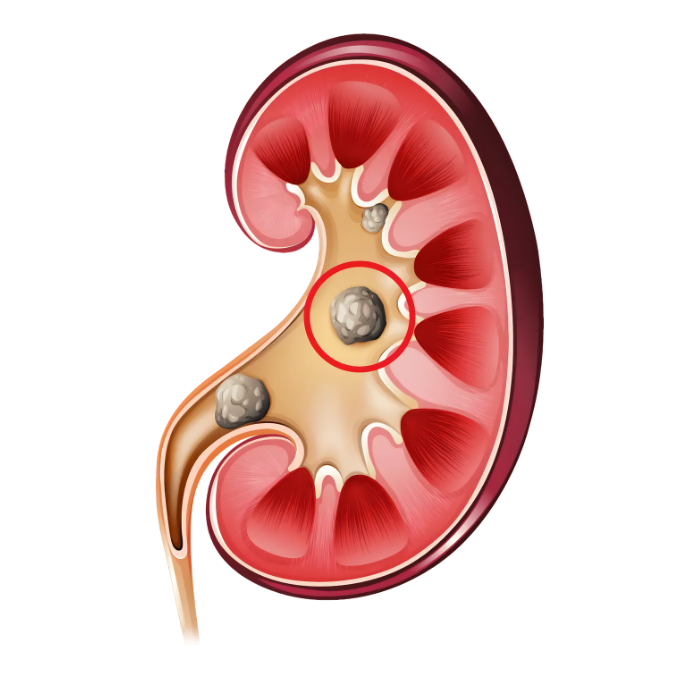
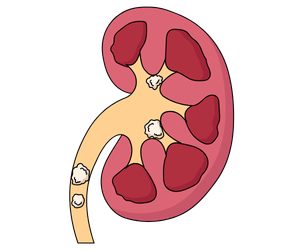
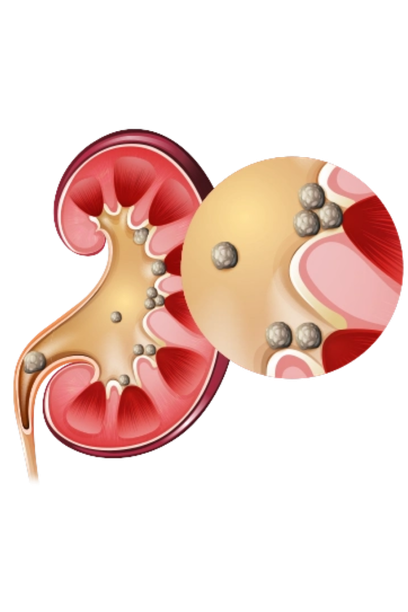
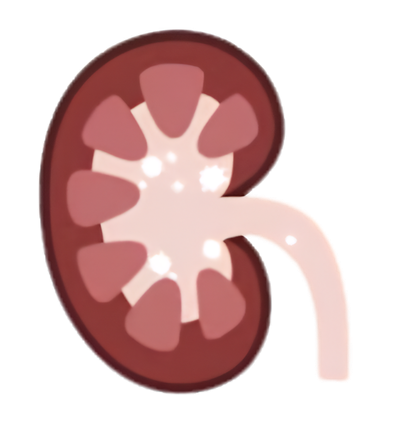
Kidney stones are hard deposits made of minerals and salts that form inside the kidneys. They may remain within the kidney or travel into the ureter, where they can block urine flow and cause severe pain. Stones vary in size, number, and composition, and treatment depends on these factors as well as the symptoms they cause.
Many kidney stones can be managed successfully when diagnosed early, helping reduce the risk of infection, kidney damage, and repeated stone formation.
Who May Be More Likely to Develop Kidney Stones?

Low Water Intake

Previous Kidney Stones

Family History
High Salt Diet

Diet Rich in Oxalates
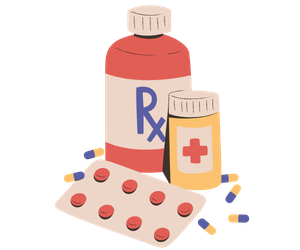
Certain Medications
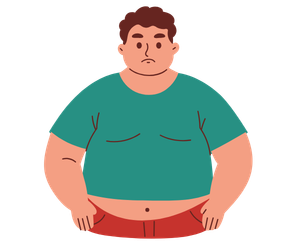
Obesity & Metabolic Disorders

Certain Medical Conditions

Recurrent Urinary Tract Infections
Choosing the Right Kidney Stone Treatment Starts with an Accurate Diagnosis
Not every kidney stone requires surgery. The most appropriate treatment depends on the size, location, number, composition of the stone, severity of symptoms, presence of infection, degree of urinary blockage, and overall kidney function. After a detailed evaluation, our urology team recommends the safest and most effective treatment.
- Size of the kidney stone
- Location within the urinary tract
- Number of stones present
- Severity of pain and symptoms
- Presence of urinary infection
- Degree of urinary obstruction
- Kidney function and overall health
- Previous history of kidney stones
- Risk of future stone recurrence

Care
Patient-Centered

Compassion
Human Touch
Cure
Trusted Outcomes

Kidney Stone Treatment Options
The recommended treatment depends on your symptoms, the size and location of the stone, and whether it is causing blockage or infection.

Observation & Medical Management
Very small stones may pass naturally with adequate hydration, pain relief medications, and medicines that help relax the urinary tract.

Medical Expulsive Therapy (MET)
Specific medications may be prescribed to help certain stones pass more easily while reducing pain and discomfort during the process.

Extracorporeal Shock Wave Lithotripsy (ESWL)
Shock waves are used to break selected kidney stones into smaller fragments that can pass naturally through the urinary tract.

Ureteroscopy (URS) with Laser Lithotripsy
A thin endoscope is passed through the urinary tract to locate the stone, which is then fragmented using laser technology and removed without external incisions.

Retrograde Intrarenal Surgery (RIRS)
Flexible endoscopic instruments and laser technology are used to treat stones located inside the kidney through the natural urinary passage.

Percutaneous Nephrolithotomy (PCNL)
Larger or complex kidney stones may require removal through a small incision in the back using specialised instruments.

Treatment for Complicated Kidney Stones
When stones cause severe infection, complete blockage, or significant kidney damage, urgent intervention may be required before definitive stone removal.

Stone Prevention & Long-Term Follow-Up
Dietary advice, hydration guidance, metabolic evaluation, and regular follow-up help reduce the risk of future kidney stone formation.
Frequently Asked Question
Can all kidney stones pass naturally?
No. Very small stones may pass on their own, but larger stones or those causing severe pain, infection, or urinary blockage often require medical or surgical treatment.
When is surgery needed for kidney stones?
Surgery or minimally invasive procedures may be recommended when stones are too large to pass naturally, cause repeated pain, block urine flow, lead to infection, or affect kidney function.
Is laser treatment safe for kidney stones?
Yes. Laser lithotripsy performed during ureteroscopy or RIRS is a well-established, minimally invasive technique used to break stones into smaller fragments for easier removal.
Can kidney stones return after treatment?
Yes. People who have had kidney stones once are at a higher risk of developing them again. Following hydration advice, dietary recommendations, and regular follow-up can help reduce recurrence.
How long does recovery take after kidney stone treatment?
Recovery depends on the type of treatment performed. Many minimally invasive procedures allow patients to resume normal activities within a few days, while larger procedures may require a longer recovery period.
How can I reduce my risk of developing kidney stones again?
Drinking adequate water, maintaining a balanced diet, reducing excess salt intake, treating underlying medical conditions, and attending regular follow-up appointments can significantly lower the risk of future stone formation.
Take the Next Step Towards Kidney Stone Relief
Book a consultation with our urology team at VED Hospital to discuss your symptoms, explore advanced kidney stone treatment options, and protect your long-term kidney health.