

Minimally Invasive Commando Surgery in Mumbai
Advanced Surgical Treatment for Oral & Head and Neck Cancers with a Focus on Better Recovery
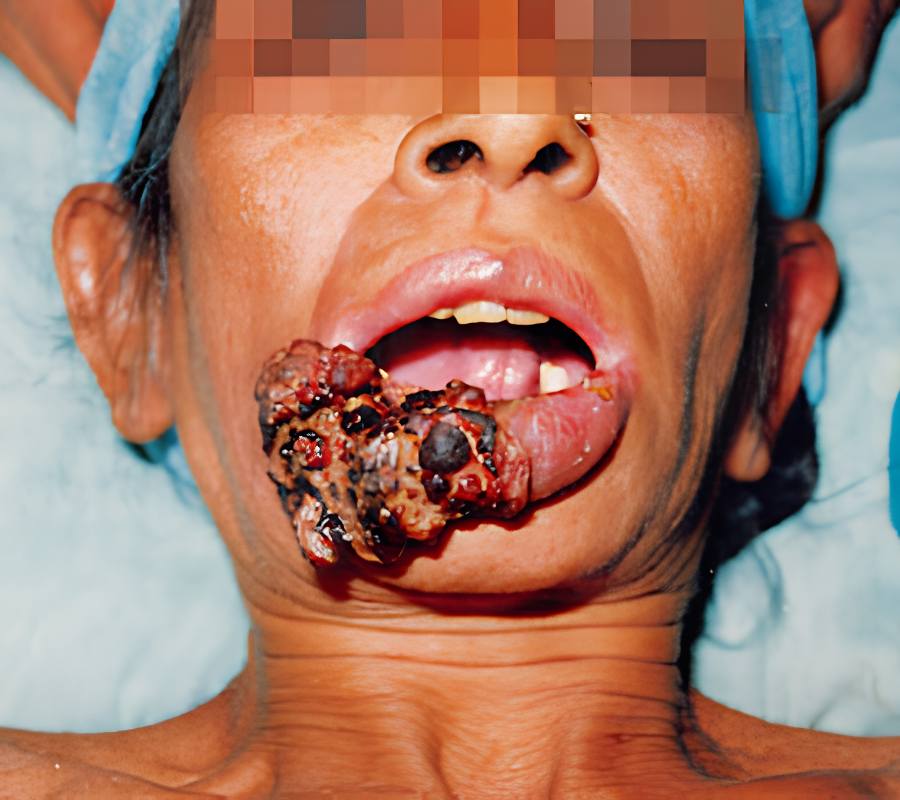
Minimally Invasive Commando Surgery is an advanced approach used to treat selected cancers of the oral cavity and head & neck while reducing surgical trauma whenever medically appropriate. By combining precise tumour removal with modern reconstructive techniques and minimally invasive methods, surgeons aim to achieve effective cancer clearance while preserving important functions such as speech, swallowing, and appearance. At VED Hospital, every patient undergoes a detailed evaluation to determine whether a minimally invasive approach is suitable based on the location, stage, and extent of the cancer.
Whether you’ve recently been diagnosed with oral cancer, have been advised to undergo Commando Surgery, or are looking for a second opinion, our Head & Neck Cancer team is here to guide you through every step of treatment.
What Brings You Here Today?
Many patients are referred for Commando Surgery after being diagnosed with cancers affecting the mouth, jaw, tongue, or nearby structures. If any of these situations sound familiar, specialist evaluation is recommended.
I've Been Diagnosed with Oral Cancer
Understanding the stage of your cancer helps determine the most appropriate surgical approach.
I've Been Advised to Undergo Commando Surgery
A specialist consultation can help you understand why the procedure is recommended and what recovery may involve.
I Have a Persistent Mouth Ulcer
A non-healing ulcer lasting several weeks should always be evaluated by a specialist.
I'm Finding It Difficult to Swallow
Difficulty swallowing may be associated with cancers affecting the mouth or throat.
I've Noticed a Lump in My Neck
Enlarged lymph nodes may require investigation as part of head and neck cancer assessment.
I'm Looking for a Second Opinion
Our specialists can review your reports and discuss all available treatment options before surgery.
Understanding Minimally Invasive Commando Surgery
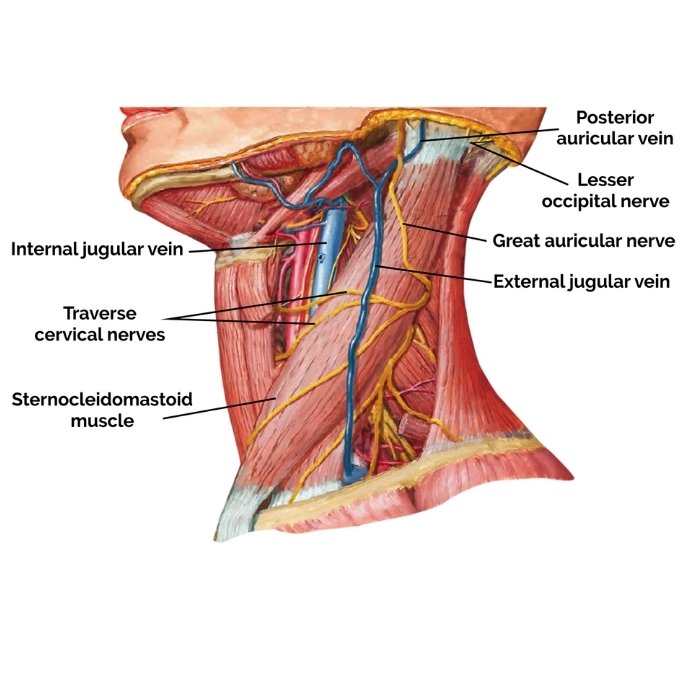
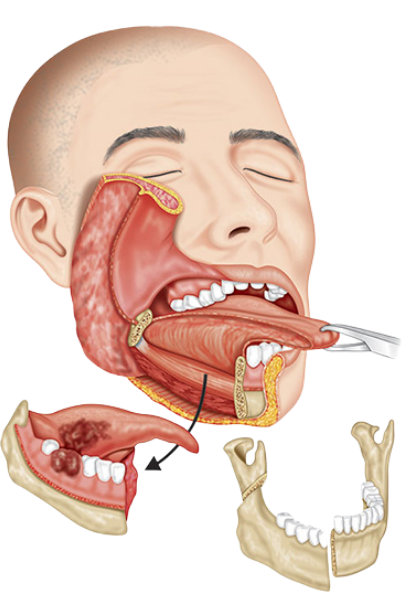
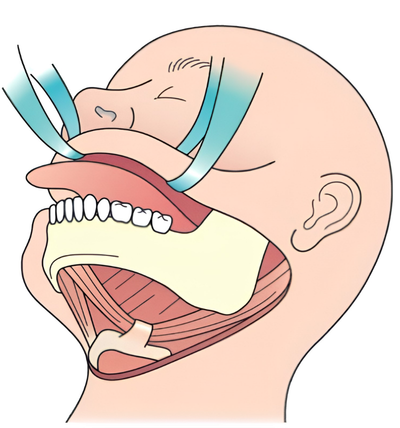
Commando Surgery is a specialised procedure performed for selected cancers of the oral cavity and nearby head and neck structures. Traditionally, the procedure involves removal of the tumour along with affected lymph nodes and, when required, reconstruction of the surgical defect.
With advances in surgical techniques, carefully selected patients may benefit from minimally invasive approaches that reduce surgical trauma while maintaining the primary goal of complete cancer removal. Every treatment plan is designed after carefully evaluating tumour extent, surrounding structures, and the patient’s overall condition.
Who May Benefit from Minimally Invasive Commando Surgery?
This approach may be considered for selected patients after a comprehensive evaluation. A detailed evaluation is essential before deciding the most suitable surgical technique.

Early Oral Cancers

Tongue Cancer
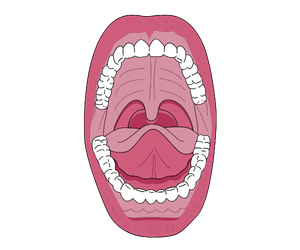
Cancer of the Floor of Mouth

Buccal Mucosa Cancer
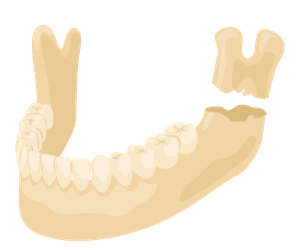
Lower Jaw Involvement
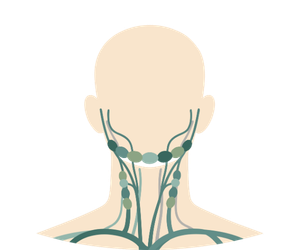
Neck Lymph Node Disease

Patients Requiring Reconstruction

Good General Health

Favourable Surgical Assessment
Why Early Specialist Evaluation Matters
Early diagnosis allows cancers to be treated before they become more extensive and may increase the possibility of using less invasive surgical techniques. Early specialist assessment may help:
- Detect oral cancers at an earlier stage
- Improve treatment planning
- Preserve speech and swallowing function
- Reduce the need for more extensive surgery
- Improve reconstructive outcomes
- Support better long-term disease control

Care
Patient-Centered

Compassion
Human Touch

Cure
Trusted Outcomes

Treatment Options for Oral & Head and Neck Cancer
The recommended treatment depends on the stage of the disease, tumour location, and the patient’s overall condition.

Minimally Invasive Commando Surgery
Selected patients may undergo tumour removal using advanced surgical techniques designed to minimise tissue disruption while achieving complete cancer clearance whenever possible.

Neck Dissection
If cancer has spread to the lymph nodes or there is a significant risk of spread, removal of affected lymph nodes may be recommended as part of the surgery.

Microvascular Reconstruction
When tumour removal creates a significant tissue defect, tissue from another part of the body may be used to restore appearance and important functions such as speech and swallowing.

Radiation Therapy
Radiation therapy may be recommended after surgery or, in selected cases, as part of the overall treatment plan to reduce the risk of recurrence.

Chemotherapy & Targeted Therapy
Some patients may require chemotherapy, targeted therapy, or combined treatment depending on the cancer stage and pathology findings.

Speech & Swallowing Rehabilitation
Rehabilitation specialists help patients regain speech, swallowing, and oral function following treatment whenever required.

Nutritional Support
Dietary guidance before and after surgery supports healing, recovery, and adequate nutrition during treatment.

Long-Term Follow-Up
Regular follow-up visits, clinical examinations, and imaging help monitor recovery, assess treatment response, and detect recurrence at the earliest stage.

Finding the Right Diagnosis Starts with Understanding the Whole Picture
Before recommending Minimally Invasive Commando Surgery, our specialists carefully assess the tumour, nearby structures, lymph nodes, and overall health to determine the safest and most effective treatment approach.

Medical History
Understanding your symptoms, tobacco or alcohol use, previous treatments, biopsy reports, and overall health.

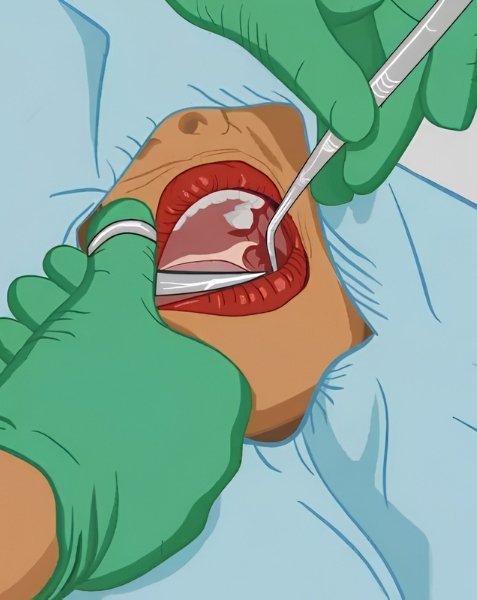
Clinical Examination
A detailed examination of the oral cavity, neck, jaw, and surrounding tissues helps determine the extent of disease.

Advanced Imaging
CT scan, MRI, PET-CT, or other imaging studies help evaluate tumour size, lymph node involvement, and nearby structures.

Biopsy & Pathology Review
Biopsy confirms the diagnosis and provides important information for treatment planning.

Treatment Planning
Our Head & Neck Cancer specialists review all findings to determine whether a minimally invasive Commando Surgery approach is appropriate.

Multidisciplinary Cancer Board Discussion
Complex cases are reviewed jointly by surgical oncologists, ENT surgeons, medical oncologists, radiation oncologists, radiologists, pathologists, reconstructive surgeons, and anaesthesia specialists before finalising treatment recommendations.
Frequently Asked Question
Will every patient with oral cancer need Commando Surgery?
No. The need for surgery depends on the type, size, location, and stage of the cancer. Some patients may be treated with other surgical approaches, radiation therapy, chemotherapy, or a combination of treatments.
Will reconstruction be required after surgery?
Not always. Reconstruction is recommended only when tumour removal leaves a defect that may affect appearance, speech, swallowing, or normal function.
How long is the recovery after surgery?
Recovery varies depending on the extent of surgery and whether reconstruction is performed. Your surgical team will provide a personalised recovery plan and follow-up schedule.
Will I need additional treatment after surgery?
Some patients may require radiation therapy, chemotherapy, or targeted therapy based on the final pathology report and cancer stage.
Can oral cancer return after treatment?
Yes. Although treatment aims to remove the cancer completely, recurrence is possible. Regular follow-up visits help detect any recurrence or new lesions at an early stage.
Take the Next Step Towards Expert Head & Neck Cancer Care
If you’ve been diagnosed with oral cancer or have been advised to undergo Minimally Invasive Commando Surgery, early specialist evaluation can help determine the most appropriate treatment strategy. Book a consultation with our Head & Neck Cancer specialists at VED Hospital to understand your diagnosis, discuss your treatment options, and receive expert surgical care focused on effective cancer treatment and functional recovery.