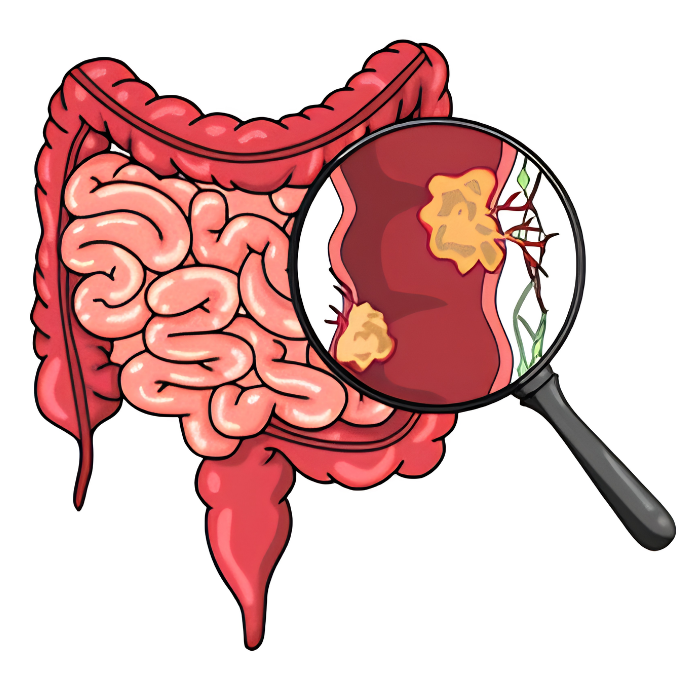


Colon Cancer Treatment in Mumbai

Expert Care for Colon Cancer, From Early Diagnosis to Advanced Treatment

Colon cancer is one of the most common cancers affecting the large intestine. When detected early, it is often highly treatable, and many patients can achieve excellent outcomes with timely care. At VED Hospital, every patient is carefully evaluated to understand the stage of the disease, overall health, and individual treatment needs before recommending surgery, chemotherapy, targeted therapy, or a combination of treatments.

Whether you’ve recently been diagnosed with colon cancer, have symptoms that need evaluation, or are seeking a second opinion, our multidisciplinary team is here to guide you through every stage of diagnosis, treatment, and recovery.

What Brings You Here Today?

Colon cancer often develops gradually, and early symptoms can be subtle. If any of these situations sound familiar, it’s important to seek specialist evaluation.

Understanding Colon Cancer

Colon cancer develops when abnormal cells grow within the lining of the large intestine (colon). In many cases, the disease begins as small growths called polyps, which may gradually become cancerous over time if left untreated.

Treatment depends on several factors, including the location of the tumour, the stage of the cancer, whether it has spread, and the patient’s overall health. Early diagnosis often allows for more treatment options and better long-term outcomes.

Who May Be at Higher Risk?

Although colon cancer can occur in anyone, certain factors may increase the likelihood of developing the disease.

Increasing Age

Previous Colon Polyps

Family History
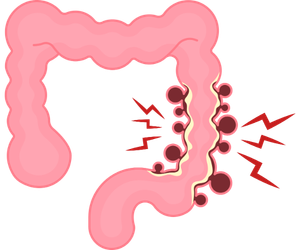
Inflammatory Bowel Disease

Regular Alcohol Consumption

Inherited Genetic Conditions

Smoking

Obesity

Low-Fibre Diet
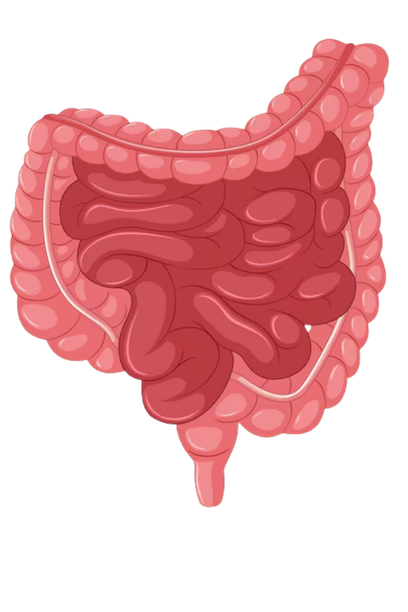

Don't Ignore These Warning Signs

Early assessment helps determine whether these symptoms are related to colon cancer or another digestive condition. Persistent bowel-related symptoms should always be evaluated, especially when they continue for several weeks.

Care

Patient-Centered

Compassion

Human Touch

Cure

Trusted Outcomes

Understanding Your Colon Cancer Treatment Options

The recommended treatment depends on the stage of the disease and your overall health. In many cases, more than one treatment may be required.

Colon Cancer Surgery

Surgery is often the primary treatment for colon cancer. The affected section of the colon, along with nearby lymph nodes, is removed while preserving as much healthy bowel as possible.

Laparoscopic Surgery

For selected patients, laparoscopic surgery may be performed through small incisions, which may help reduce postoperative discomfort and support an earlier recovery.

Chemotherapy

Chemotherapy may be recommended before or after surgery to reduce the risk of recurrence or to treat cancer that has spread beyond the colon.

Targeted Therapy

Some advanced colon cancers may benefit from targeted medicines that act on specific molecular changes identified through specialised testing.

Immunotherapy

For selected patients with specific genetic or molecular characteristics, immunotherapy may help the body's immune system recognise and attack cancer cells.

Treatment for Advanced Colon Cancer

When the cancer has spread to other organs, treatment may include a combination of surgery, chemotherapy, targeted therapy, immunotherapy, or other supportive procedures based on individual needs.

Long-Term Follow-Up

Regular follow-up visits, blood tests, colonoscopy, and imaging help monitor recovery, detect recurrence early, and support long-term health.

Finding the Right Diagnosis Starts with Understanding the Whole Picture

Before recommending colon cancer treatment, our specialists carefully evaluate the tumour, its extent, and your overall health to determine the most appropriate treatment plan.

Medical History

Understanding your symptoms, bowel habits, family history, previous illnesses, and overall health.

Colon Cancer Examination

A detailed physical examination helps identify any concerning findings and guides further investigations.

Cancer Staging

Clinical findings, biopsy results, and imaging are combined to accurately determine the stage of the disease.


Colonoscopy & Biopsy

A colonoscopy allows direct examination of the large intestine, while a biopsy confirms whether abnormal tissue is cancerous.

Advanced Imaging

CT scan, MRI, or PET-CT may be recommended to determine the size of the tumour.

Treatment Planning

Our surgical oncology, medical oncology, radiology, pathology, and gastroenterology teams review all.

Frequently Asked Question

Is surgery always required for colon cancer?

Surgery is the main treatment for most colon cancers, particularly when the disease is confined to the colon. Additional treatments such as chemotherapy or targeted therapy may also be recommended depending on the stage of the cancer.

Can colon cancer be treated with minimally invasive surgery?

Yes. Many patients are suitable candidates for laparoscopic colon cancer surgery. However, the decision depends on the size, location, and stage of the tumour, as well as individual clinical factors.

Will I need chemotherapy after surgery?

Not everyone requires chemotherapy. The need for additional treatment depends on the final pathology report, lymph node involvement, and the stage of the disease.


Will I need a permanent stoma?

Most patients undergoing colon cancer surgery do not require a permanent stoma. If a stoma is necessary, your surgical team will explain the reasons and discuss whether it is temporary or permanent.

How often will I need follow-up after treatment?

Regular follow-up appointments usually include clinical examinations, blood tests, imaging, and periodic colonoscopy to monitor recovery and detect recurrence at an early stage.

Can colon cancer come back after treatment?

Although many patients achieve successful long-term outcomes, recurrence is possible. Regular follow-up plays an important role in identifying any recurrence early, when additional treatment may be most effective.

Take the Next Step Towards Expert Colon Cancer Care

Book a consultation with our cancer specialists at VED Hospital to discuss your diagnosis, understand your treatment options, and receive expert guidance for colon cancer treatment.

Scroll to Top