Cytoreductive Surgery (CRS) in Mumbai

Advanced Surgical Care for Cancers That Have Spread Within the Abdomen

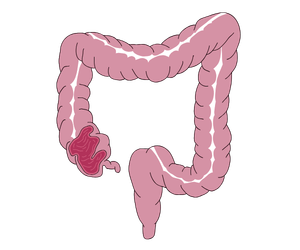
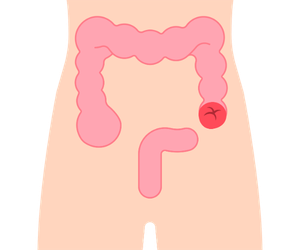
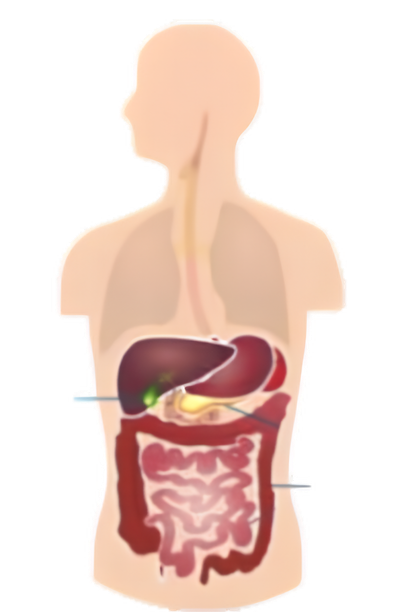
Cytoreductive Surgery (CRS) is a specialised procedure performed to remove visible cancer that has spread within the abdominal cavity. It is most commonly recommended for selected patients with cancers involving the lining of the abdomen (peritoneum), including cancers arising from the appendix, colon, rectum, ovary, stomach, and certain rare tumours. At VED Hospital, every patient undergoes a detailed evaluation to determine whether Cytoreductive Surgery (CRS), often combined with other treatments, is the most appropriate option.

Whether you’ve been advised to undergo CRS, have cancer involving the peritoneum, or are seeking a second opinion, our multidisciplinary cancer team is here to guide you through every stage of diagnosis, treatment, and recovery.

What Brings You Here Today?

Cytoreductive Surgery is considered for carefully selected patients with cancers that have spread inside the abdomen. If any of these situations sound familiar, specialist evaluation may be beneficial.

Understanding Cytoreductive Surgery (CRS)

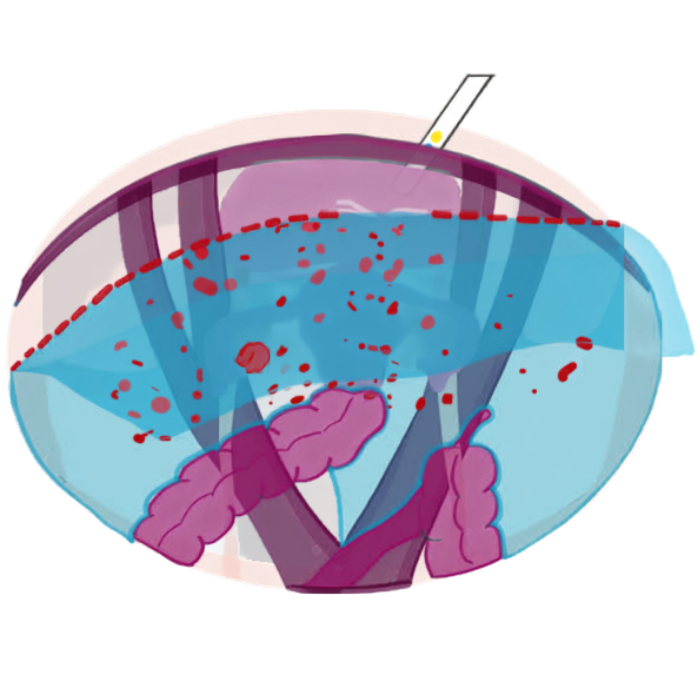
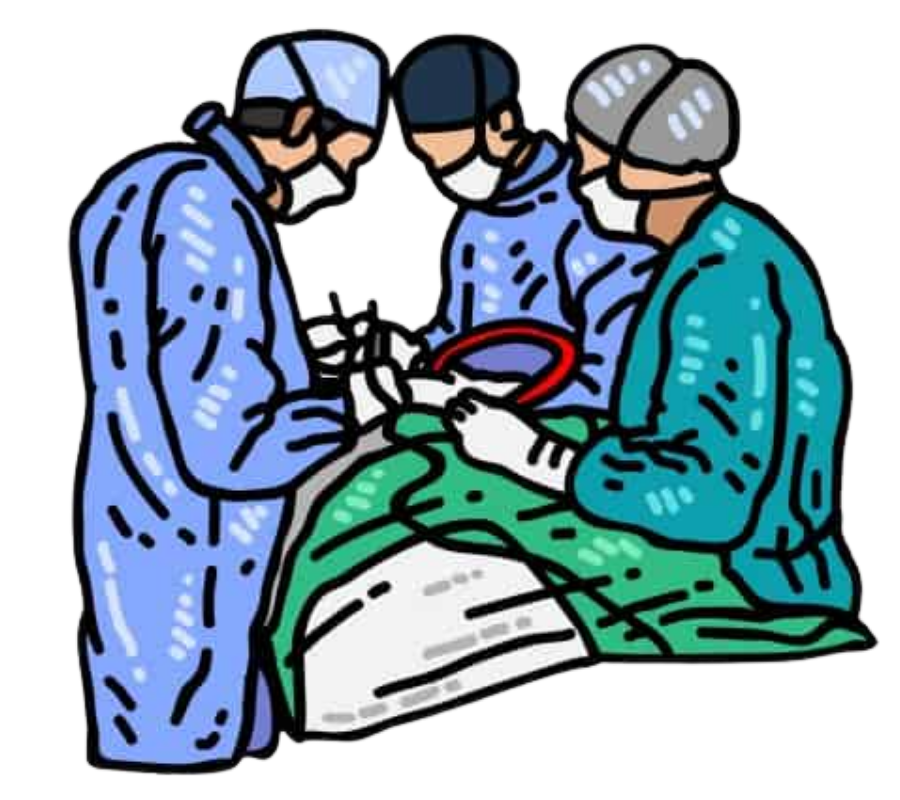
Cytoreductive Surgery (CRS) is an advanced cancer surgery performed to remove all visible tumour deposits from the abdominal cavity. The goal is to reduce the amount of cancer as much as possible, improving the effectiveness of additional treatments and, in selected patients, offering better long-term disease control.

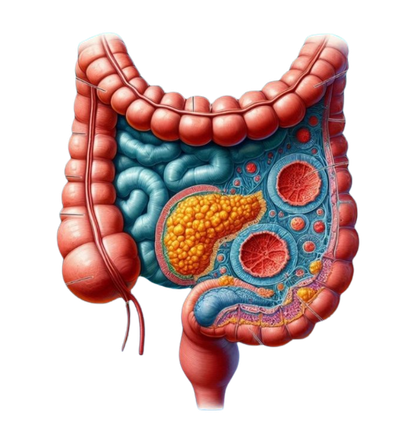
Depending on the extent of the disease, CRS may involve removing affected portions of the peritoneum and, when necessary, parts of organs such as the colon, small intestine, stomach, spleen, ovaries, or other involved structures.

Who May Benefit from Cytoreductive Surgery?

Final suitability is determined only after detailed imaging, clinical evaluation, and multidisciplinary discussion. CRS is not suitable for every patient. A detailed evaluation helps identify those who are most likely to benefit from this specialised procedure.

Peritoneal Surface Malignancies
Appendix Cancer
Colorectal Cancer with Peritoneal Spread
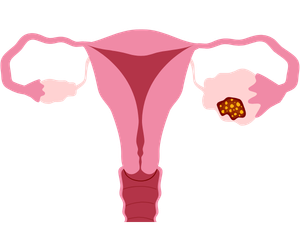
Ovarian Cancer
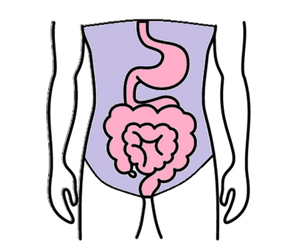
Pseudomyxoma Peritonei
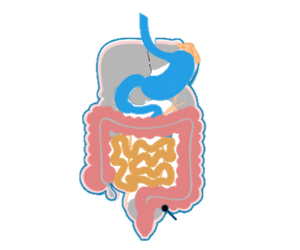
Peritoneal Mesothelioma

Good General Health
Disease Limited to the Abdomen

Favourable Surgical Assessment
Why Early Specialist Evaluation Matters

Not every patient with cancer spread inside the abdomen is a suitable candidate for Cytoreductive Surgery (CRS). A timely evaluation by an experienced multidisciplinary team helps determine whether the disease can be safely removed, whether additional treatments are required before surgery, and which approach is most likely to achieve the best possible outcome. Early specialist assessment may help:

Care

Patient-Centered

Compassion

Human Touch

Cure

Trusted Outcomes

Understanding Your Cytoreductive Surgery (CRS) Treatment Options

The recommended treatment depends on the type of cancer, the extent of disease, and your overall health. In many cases, treatment involves a combination of surgery and other cancer therapies.

Cytoreductive Surgery (CRS)

The primary goal of CRS is to remove all visible cancer deposits from the abdominal cavity. Depending on the extent of disease, the procedure may involve removing affected tissues and, when necessary, portions of involved organs.

CRS with HIPEC

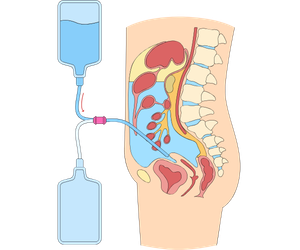
For selected patients, Cytoreductive Surgery may be combined with Hyperthermic Intraperitoneal Chemotherapy (HIPEC), where heated chemotherapy is circulated within the abdominal cavity immediately after tumour removal to target remaining microscopic cancer cells.

Systemic Chemotherapy

Chemotherapy may be recommended before surgery to reduce tumour burden or after surgery to help control microscopic disease and reduce the risk of recurrence.

Targeted Therapy & Immunotherapy

Some patients may benefit from targeted medicines or immunotherapy depending on the type of primary cancer and specialised molecular testing.

Treatment for Advanced Abdominal Cancer

When complete tumour removal is not possible, treatment focuses on controlling disease progression, relieving symptoms, and improving quality of life using the most appropriate combination of therapies.

Nutritional & Supportive Care

Optimising nutrition, managing symptoms, improving physical strength, and preparing for recovery are important parts of treatment before and after major abdominal surgery.

Palliative & Supportive Care

Supportive care helps manage pain, bowel-related symptoms, nutritional concerns, and overall comfort while improving quality of life throughout the treatment journey.

Long-Term Follow-Up

Regular follow-up visits, imaging studies, blood tests, and clinical assessments help monitor recovery, evaluate treatment response, and detect recurrence at an early stage.

Frequently Asked Question

What is the purpose of Cytoreductive Surgery (CRS)?

CRS is performed to remove all visible cancer deposits from the abdominal cavity. In selected patients, reducing the amount of tumour can improve the effectiveness of additional treatments and may lead to better long-term disease control.

Will every patient with abdominal cancer spread need CRS?

No. CRS is suitable only for carefully selected patients. The decision depends on the type of cancer, the extent of disease, the possibility of complete tumour removal, and your overall health.

What is HIPEC and will I need it?

HIPEC (Hyperthermic Intraperitoneal Chemotherapy) is a specialised treatment that may be performed immediately after Cytoreductive Surgery in selected patients. Whether it is appropriate depends on the type of cancer and your individual clinical evaluation.

Is Cytoreductive Surgery a major operation?

Yes. CRS is a complex abdominal surgery that may involve multiple organs depending on the extent of disease. Recovery varies between patients, and careful postoperative monitoring is an important part of treatment.

How often will I need follow-up after surgery?

Follow-up usually includes clinical examinations, imaging studies, blood tests, and regular assessments to monitor recovery and identify any recurrence at an early stage.

Can cancer return after Cytoreductive Surgery?

Although CRS can provide long-term disease control for selected patients, recurrence is still possible. Regular follow-up allows early detection and timely management if further treatment is required.

Take the Next Step Towards Expert Cytoreductive Surgery Care

If you’ve been advised to undergo Cytoreductive Surgery (CRS) or have cancer that has spread within the abdominal cavity, timely specialist evaluation can help determine the most appropriate treatment approach. Book a consultation with our cancer specialists at VED Hospital to discuss your diagnosis, understand your treatment options, and learn whether Cytoreductive Surgery is suitable for your condition.

Scroll to Top