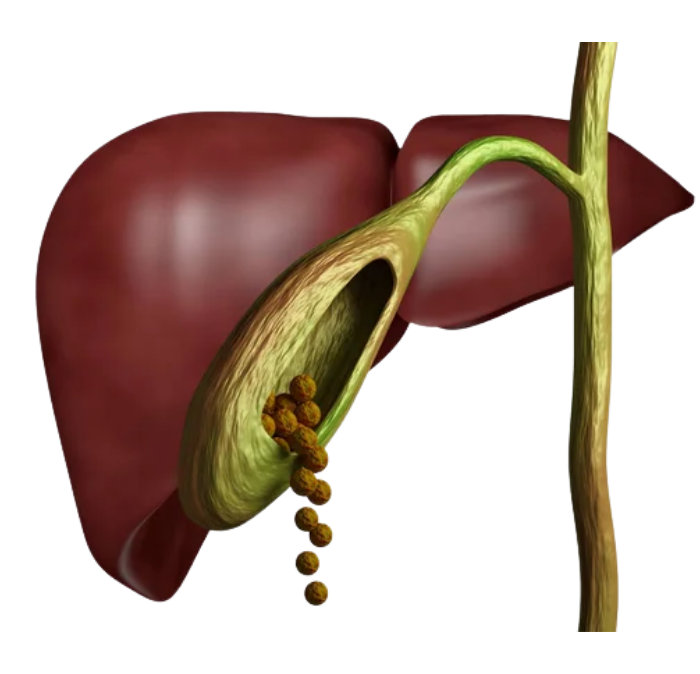


Gallbladder Stone Surgery in Mumbai

Effective Surgical Treatment for Gallstones & Recurrent Gallbladder Pain

Gallstones are hardened deposits that form inside the gallbladder and may remain silent or cause repeated episodes of abdominal pain, indigestion, nausea, and other digestive symptoms. When gallstones block the normal flow of bile, they can lead to inflammation, infection, or complications involving the bile ducts and pancreas.

At VED Hospital, our general surgery team provides comprehensive evaluation and treatment for gallbladder stones. When surgery is required, laparoscopic gallbladder removal is commonly performed to remove the source of recurrent stone-related symptoms. Treatment is planned after evaluating your symptoms, imaging findings, gallbladder condition, and overall health.

What Brings You Here Today?

Gallstones do not always cause symptoms, but symptomatic stones can lead to repeated discomfort and complications. If any of these situations sound familiar, specialist evaluation can help.

Understanding Gallbladder Stones

The gallbladder is a small organ located beneath the liver that stores and concentrates bile, a digestive fluid produced by the liver. Gallstones develop when substances within bile, such as cholesterol or bilirubin, become concentrated and form solid deposits.

Some people have gallstones without experiencing any symptoms. However, when a stone blocks the gallbladder outlet or bile duct, it can cause pain, inflammation, infection, jaundice, or other complications. Symptomatic or complicated gallstones may require surgical treatment.

Who May Be More Likely to Develop Gallstones?

Having risk factors does not necessarily mean that treatment will be required. The need for surgery is determined by symptoms, complications, and clinical findings. Several factors may increase the risk of gallstone formation.

Female Sex

Increasing Age

Obesity or Excess Weight
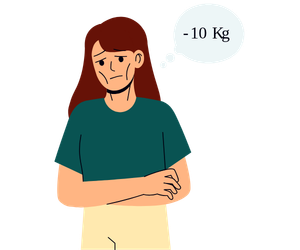
Rapid Weight Loss

Pregnancy

Family History

Certain Medical Conditions

Dietary Factors
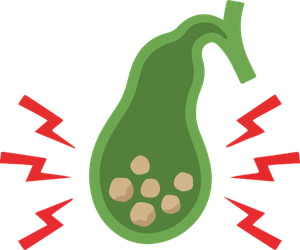
Previous Gallbladder Problems
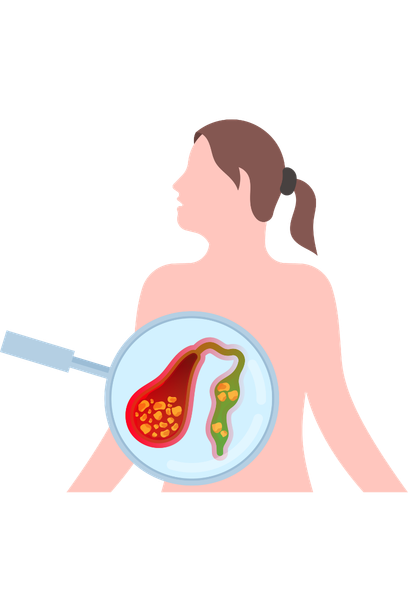
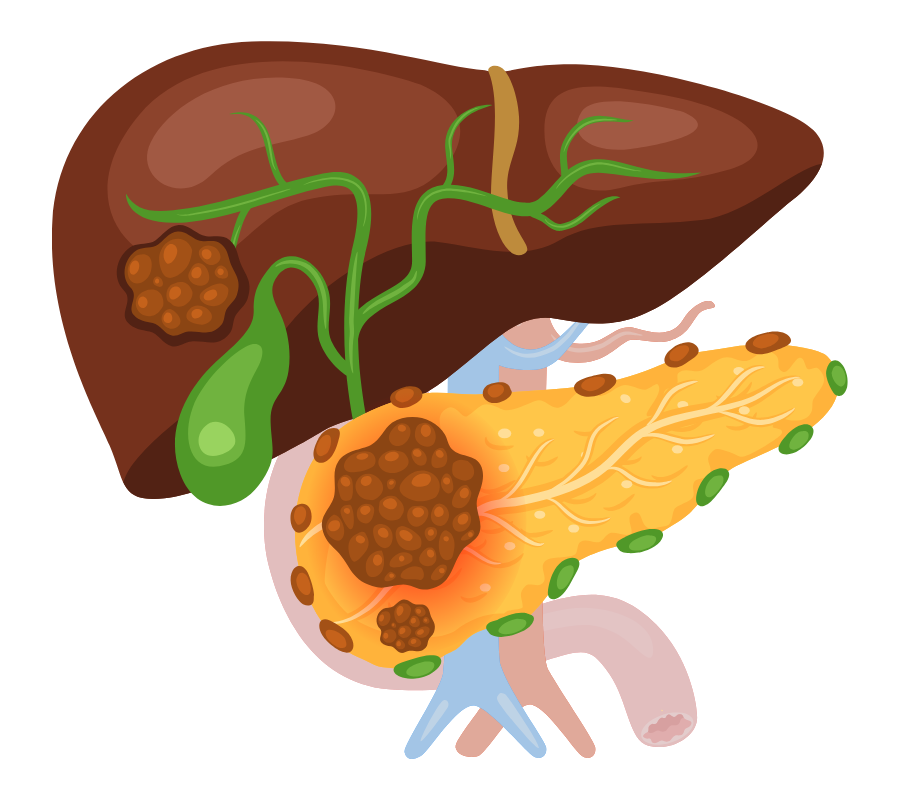
Choosing the Right Gallbladder Stone Treatment Starts with Accurate Diagnosis

Not every person with gallstones needs surgery. The appropriate treatment depends on whether the stones are causing symptoms, the condition of the gallbladder, the presence of inflammation or infection, and whether stones have entered the bile ducts. 

Care

Patient-Centered

Compassion

Human Touch

Cure

Trusted Outcomes

Gallbladder Stone Treatment Options

Treatment depends on whether the gallstones are silent, symptomatic, or associated with complications.

Observation for Asymptomatic Gallstones

Gallstones that do not cause symptoms may not require immediate treatment and can sometimes be monitored based on the individual's clinical situation.

Laparoscopic Cholecystectomy

The gallbladder is removed through small abdominal incisions using a camera and specialised instruments. It is the commonly preferred surgical treatment for symptomatic gallstones.

Open Gallbladder Surgery

In selected complex cases, open surgery may be recommended when laparoscopic removal is not considered suitable or when conversion to open surgery is required for safety.

Emergency Cholecystectomy

Patients with acute gallbladder inflammation or certain complications may require urgent gallbladder removal after appropriate evaluation and stabilisation.

ERCP for Bile Duct Stones

When a gallstone has moved into the common bile duct, endoscopic retrograde cholangiopancreatography may be used to locate and remove the stone.

MRCP-Guided Treatment Planning

Magnetic resonance cholangiopancreatography may be recommended to obtain detailed images of the bile ducts when duct stones or other abnormalities are suspected.

Treatment for Gallstone-Related Pancreatitis

Gallstones can sometimes block the bile and pancreatic ducts and trigger pancreatitis. Treatment focuses on stabilising the patient, addressing the obstruction when required, and preventing further episodes.

Management of Complicated Gallbladder Disease

Conditions such as severe infection, gangrene, perforation, or other gallbladder complications may require urgent specialist and surgical management.


Frequently Asked Question

Do all gallstones need to be removed?

No. Gallstones that do not cause symptoms may not require immediate treatment. Surgery is generally considered when stones cause recurrent symptoms or complications.

What is laparoscopic gallbladder surgery?

Laparoscopic cholecystectomy is a minimally invasive procedure in which the gallbladder is removed through small abdominal incisions using specialised instruments and a camera.

Can I live normally without my gallbladder?

Yes. The liver continues to produce bile after gallbladder removal. Bile flows directly into the intestine and most people are able to return to their normal diet and activities after recovery.

Can gallstones be treated without removing the gallbladder?

Treatment depends on the situation. Some asymptomatic stones may simply be monitored, while symptomatic gallbladder stones are commonly treated by removing the gallbladder. Stones that have moved into the bile duct may require endoscopic removal.

How long does recovery take after laparoscopic gallbladder surgery?

Recovery varies between individuals, but many patients can gradually return to normal activities within a relatively short period after uncomplicated laparoscopic surgery. Your surgeon will provide specific guidance based on your recovery.

Can gallstones come back after gallbladder removal?

The gallbladder and its stones are removed during cholecystectomy, so gallstones cannot form inside the removed gallbladder. However, stones can occasionally develop or remain within the bile ducts, which is a different condition.

Take the Next Step Towards Relief from Gallstone Problems

Book a consultation with our general surgery team at VED Hospital to understand your gallstone treatment options and take the right step towards long-term relief.

Scroll to Top