
General Surgery in Mumbai
Comprehensive Surgical Care for Common & Complex Conditions
Many conditions affecting the abdomen, digestive system, skin, and soft tissues can be treated effectively with timely surgical care. At VED Hospital, our general surgery team provides evaluation and treatment for a wide range of surgical conditions using established surgical techniques, minimally invasive procedures, and advanced laparoscopic approaches whenever appropriate.
Whether you are experiencing abdominal pain, a swelling, digestive discomfort, gallbladder problems, or a condition requiring surgery, our specialists carefully evaluate your symptoms and recommend the most suitable treatment. From diagnosis and surgical planning to recovery and follow-up, our focus is on safe treatment and a smooth recovery.
What Brings You Here Today?
Some surgical conditions begin with mild symptoms and gradually become more troublesome, while others may require urgent attention. If any of these situations sound familiar, specialist evaluation can help identify the cause.
I Have a Swelling or Lump
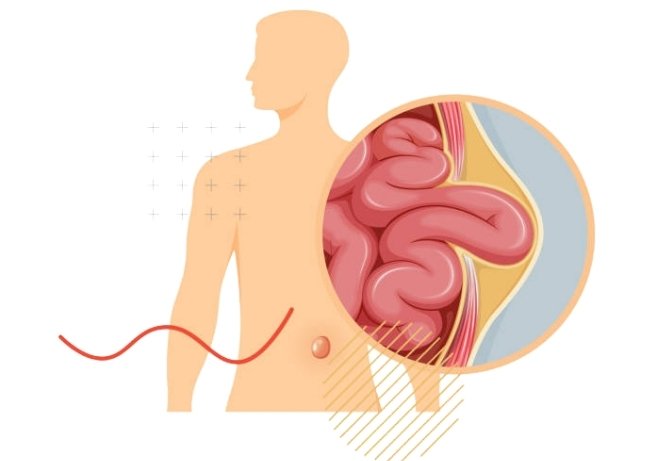
A swelling in the abdomen, groin, or another area may be caused by a hernia or another surgical condition.
I'm Having Persistent Abdominal Pain
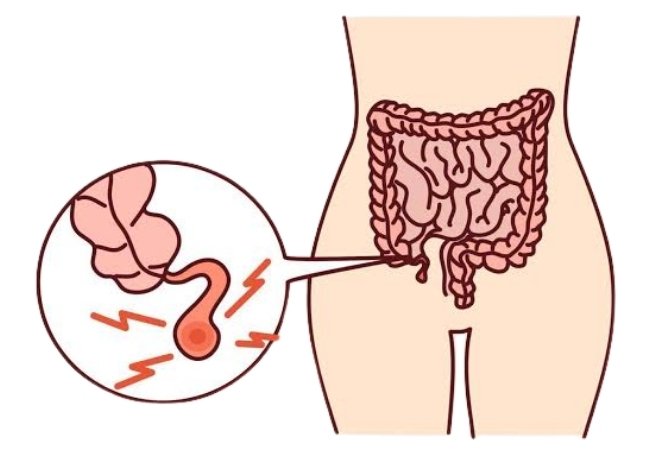
Ongoing or recurring abdominal pain may be related to the appendix, gallbladder, bowel, or other abdominal conditions.
I Have Pain After Eating
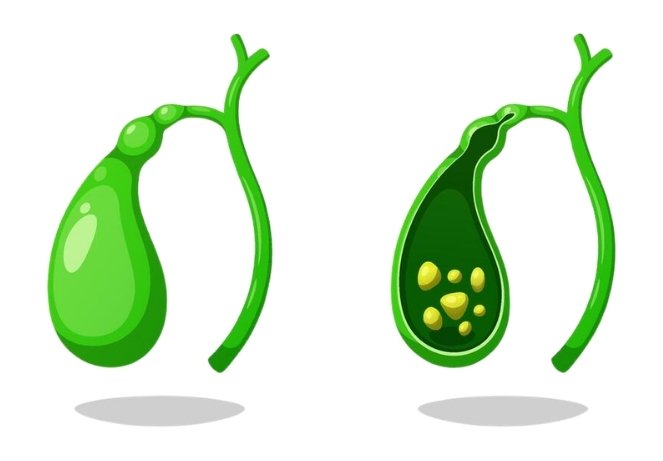
Pain, bloating, or discomfort after meals may sometimes be associated with gallbladder stones or other digestive conditions.
I'm Experiencing Rectal Pain or Bleeding
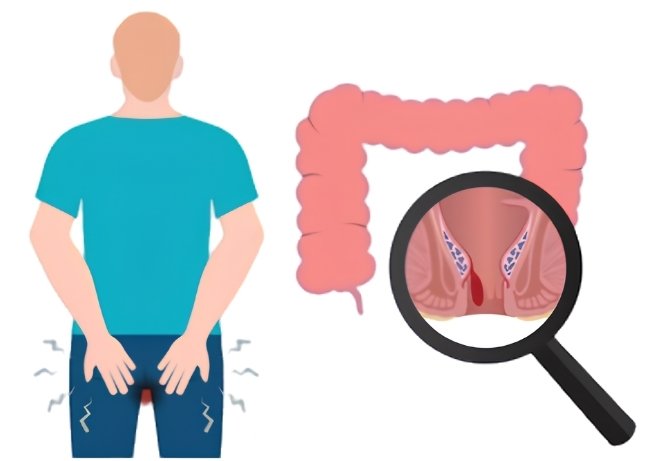
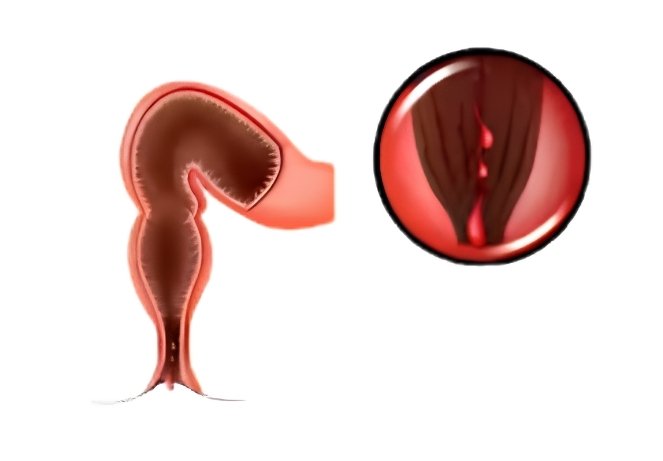
Pain, bleeding, itching, or discomfort while passing stools may indicate piles, fissure, fistula, or another anorectal condition.
I've Been Advised to Undergo Surgery
If you have already been diagnosed with a condition requiring surgery, a specialist consultation can help you understand the procedure and available options.
I'm Looking for a Second Opinion
A surgical review can help confirm your diagnosis and determine whether surgery, minimally invasive treatment, or observation is most appropriate.
Understanding General Surgery
General surgery is a specialised branch of surgery that focuses on conditions affecting the abdomen, digestive system, abdominal wall, skin, soft tissues, and anorectal region. General surgeons manage both planned and emergency surgical conditions, using medical, minimally invasive, and conventional surgical approaches depending on the patient’s condition.
Early evaluation can help prevent complications and determine the right time and type of treatment. Not every surgical condition requires immediate surgery, and treatment is always planned according to the patient’s symptoms, diagnosis, overall health, and individual requirements.
Who May Benefit from a General Surgery Consultation?
Not every condition requires surgery. A detailed clinical evaluation helps determine the most appropriate treatment approach. A general surgery consultation may be recommended for patients experiencing abdominal, digestive, or anorectal symptoms.

Hernia

Gallbladder Stones
Appendicitis

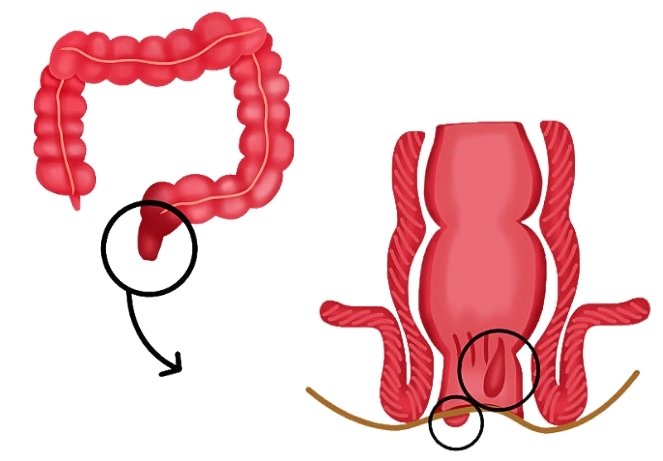
Piles (Haemorrhoids)
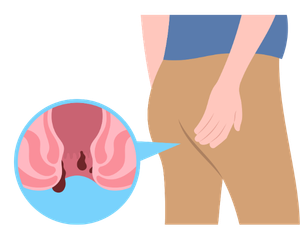
Anal Fissure

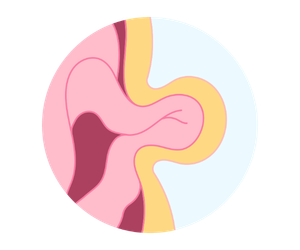
Anal Fistula

Abdominal Conditions

Soft Tissue Conditions

Emergency Surgical Conditions

Our General Surgery Services
Hernia Surgery
Surgical repair of abdominal and groin hernias using open or minimally invasive techniques depending on the type, size, and location of the hernia.
Gallbladder Stone Surgery
Treatment of symptomatic gallstones, commonly through laparoscopic gallbladder removal to prevent recurrent pain and gallbladder-related complications.
Appendix Surgery
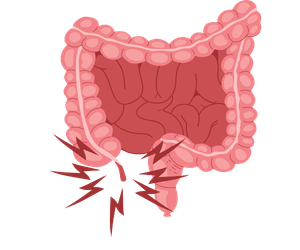
Surgical treatment of appendicitis, most commonly through minimally invasive appendectomy when clinically appropriate.
Piles Treatment
Evaluation and treatment of haemorrhoids using medical management, lifestyle measures, and procedures or surgery for persistent or advanced cases.
Fissure Treatment
Treatment for anal fissures through dietary measures, medications, and surgical procedures when symptoms persist despite conservative treatment.
Fistula Treatment
Specialist evaluation and surgical management of anal fistulas to treat the abnormal tract and reduce the risk of recurrent infection.
Choosing the Right General Surgery Treatment Starts with Accurate Diagnosis
Not every surgical condition requires the same approach. The appropriate treatment depends on the type and severity of the condition, your symptoms, overall health, previous treatments, and whether complications are present.
- Type and location of the surgical condition
- Severity and duration of symptoms
- Presence of infection or inflammation
- Size and extent of the affected area
- Previous surgeries or treatments
- Age and overall health
- Existing medical conditions
- Risk of complications or recurrence
- Recovery requirements and lifestyle

Care
Patient-Centered

Compassion
Human Touch

Cure
Trusted Outcomes

What General Surgery Treatment May Involve
Depending on your diagnosis, treatment may range from conservative management to minimally invasive or conventional surgery.

Hernia Repair
Damaged or weakened areas of the abdominal wall are repaired using appropriate surgical techniques, with mesh reinforcement used when clinically indicated.

Laparoscopic Surgery
Small incisions and specialised instruments are used for selected abdominal procedures, often allowing reduced postoperative discomfort and faster recovery.

Gallbladder Removal
Symptomatic gallstones are commonly treated through laparoscopic cholecystectomy, which removes the gallbladder and helps prevent recurrent stone-related problems.

Appendectomy
An inflamed appendix is surgically removed to prevent complications such as rupture, abscess formation, or widespread infection.

Piles Procedures
Depending on the severity of haemorrhoids, treatment may include medication, lifestyle changes, minimally invasive procedures, or surgery.

Fissure Surgery
Persistent or severe anal fissures may require a specialised procedure to reduce abnormal muscle pressure and allow the fissure to heal.

Fistula Surgery
Treatment is planned according to the location and complexity of the fistula, with the goal of eliminating the abnormal tract while preserving normal bowel control.

Emergency General Surgery
Conditions such as complicated appendicitis, bowel obstruction, perforation, severe infection, or other acute abdominal problems may require urgent surgical treatment.

Frequently Asked Question
Does every general surgery condition require an operation?
No. Some conditions can initially be managed with medication, dietary changes, observation, or other non-surgical treatments. Surgery is recommended when it is medically necessary or when conservative treatment is unlikely to provide adequate results.
What is laparoscopic surgery?
Laparoscopic surgery is a minimally invasive technique in which specialised instruments and a camera are inserted through small incisions. It is commonly used for procedures such as gallbladder and selected hernia surgeries.
How do I know if my abdominal pain requires surgical evaluation?
Persistent or severe abdominal pain, especially when accompanied by vomiting, fever, swelling, bleeding, or worsening symptoms, should be evaluated promptly to determine the underlying cause.
Can piles, fissures, and fistulas be treated without surgery?
Some early or less severe conditions respond well to medicines, dietary changes, bowel management, and lifestyle modifications. Persistent, recurrent, or advanced cases may require a procedure or surgery.
How long does recovery take after general surgery?
Recovery varies according to the procedure performed and your overall health. Many minimally invasive procedures allow an earlier return to routine activities, while more complex operations may require a longer recovery period.
Will I need follow-up after surgery?
Yes. Follow-up appointments help assess healing, monitor recovery, manage wounds, identify complications early, and ensure that you return safely to your normal activities.
Take the Next Step Towards the Right Surgical Care
Book a consultation with our general surgery team at VED Hospital to discuss your symptoms, understand your treatment options, and receive safe, personalised surgical care.