Wisdom Tooth Extraction in Mumbai
Managing Pain and Problems Caused by Wisdom Teeth
Wisdom teeth are the last molars to emerge at the back of the mouth, usually during the late teenage years or early adulthood. When there is not enough space for them to grow properly, they may become impacted, cause gum inflammation or affect nearby teeth. If you are considering wisdom tooth extraction in Mumbai, a dental examination can help determine whether removal is necessary or if the tooth can be monitored.
The recommended approach depends on the tooth’s position, the extent of impaction, the condition of the surrounding gums and nearby teeth, and your overall oral health. Some wisdom teeth can be removed through a straightforward extraction, while others may require a surgical procedure. Dental X-rays or other imaging may be needed to assess the roots and their proximity to important structures.
Understanding Wisdom Tooth Removal with Dr. Sanmit Joshi

Wisdom tooth removal may require specialised assessment when a tooth is impacted, growing at an unusual angle or located close to important nerves. Dr. Sanmit Joshi is an oral and maxillofacial surgeon whose published professional profile lists impacted wisdom tooth removal among his areas of expertise.
Before recommending extraction, the treating specialist may examine the affected tooth and gums, review your symptoms and medical history, and assess dental imaging. This helps determine whether the tooth can be removed through a simple extraction or requires a surgical approach.
Patients contacting Ved Hospital can enquire about consultation availability with Dr. Sanmit Joshi and confirm the appropriate specialist for their condition. Discussing the procedure, anaesthesia options, possible complications and expected recovery can help you prepare for wisdom tooth removal.
What Is Wisdom Tooth Extraction?
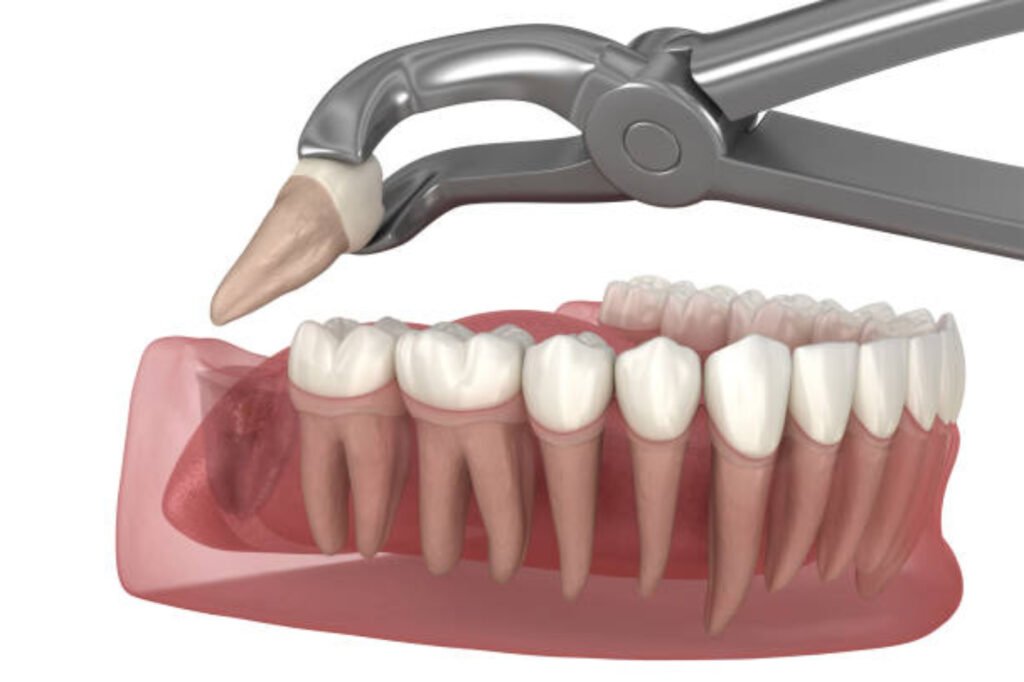
Wisdom tooth extraction is a dental procedure in which one or more third molars are removed from the back of the mouth. These teeth may emerge normally, remain partly covered by the gums or stay trapped beneath the gum tissue or jawbone.
There are two main approaches to wisdom tooth removal:
- Simple extraction: Used when the tooth has erupted sufficiently and can be accessed and removed without a surgical incision.
- Surgical extraction: May be needed when the tooth is impacted, broken, partly covered by gum tissue or difficult to access. The surgeon may make an incision in the gum and, in some cases, remove a small amount of bone or divide the tooth into sections.
The method depends on the position of the tooth, its roots and the surrounding structures. The treating dentist or oral and maxillofacial surgeon will explain which approach is appropriate after an examination.
Signs That You May Need Wisdom Tooth Removal
Wisdom teeth do not always need to be removed. However, extraction may be recommended when a tooth causes pain, repeated infection, decay or damage to nearby teeth. Signs and symptoms that may require an assessment include:

Swollen, red or bleeding gums around a wisdom tooth.

Repeated gum infections around a partially erupted tooth.

Food frequently getting trapped around the wisdom tooth.

Swelling around the jaw or cheek.

Pain or discomfort while chewing.

Difficulty opening the mouth fully.
These symptoms do not always mean extraction is necessary. A dental professional can assess the cause and explain whether removal, another treatment or regular monitoring is appropriate.
Wisdom Tooth Extraction and Surgical Options
The extraction method depends on whether the wisdom tooth has fully erupted, its position in the jaw and whether it is causing dental problems. Following an examination and review of any required imaging, the treating specialist can recommend the appropriate procedure.
Simple Wisdom Tooth Extraction
A simple extraction may be suitable when the wisdom tooth has emerged sufficiently and can be accessed safely. The area is numbed with local anaesthesia before the tooth is gently loosened and removed.
This approach generally involves less surgical intervention than removal of an impacted tooth. Recovery depends on the condition of the tooth, the surrounding tissues and the individual’s healing process.
Surgical Removal of an Impacted Wisdom Tooth
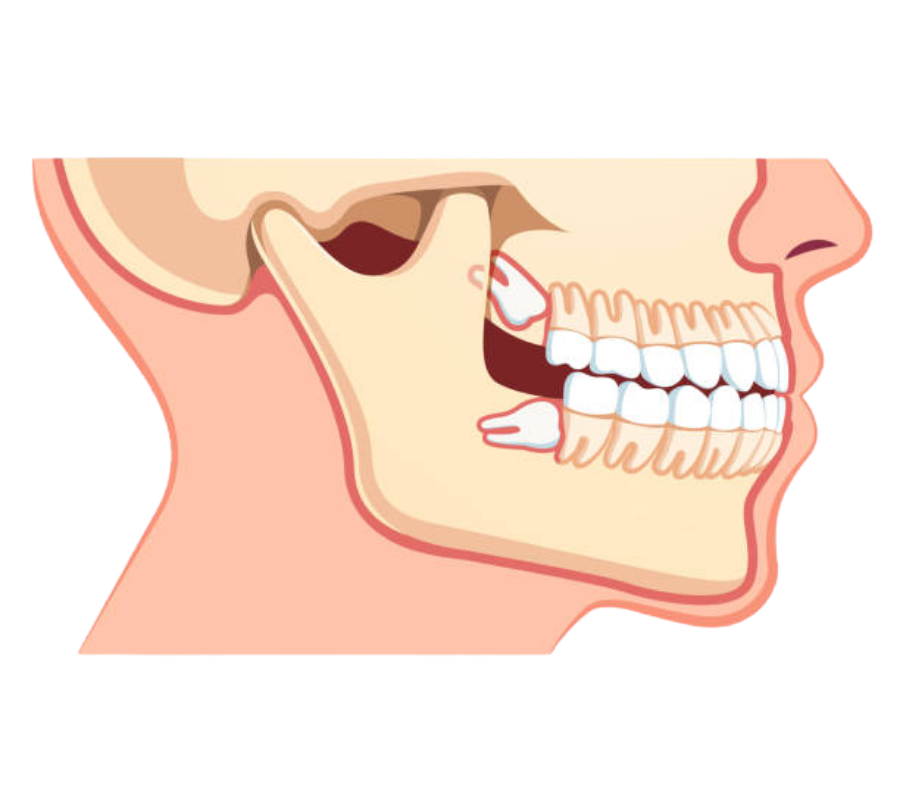
An impacted wisdom tooth remains partly or completely trapped beneath the gums or within the jawbone. If it causes problems or is likely to damage nearby structures, surgical removal may be recommended.
The surgeon may make a small incision in the gum to access the tooth. Depending on its position, some surrounding bone may need to be removed, or the tooth may be divided into smaller sections for removal.
Removal of Partially Erupted Wisdom Teeth
A partially erupted wisdom tooth can leave an area of gum tissue where food and bacteria collect. This may lead to inflammation or repeated infection around the tooth.
If these problems continue or the tooth cannot be maintained properly, extraction may be considered. The treating specialist will assess the tooth and surrounding tissues before deciding on the procedure.
Removal of Multiple Wisdom Teeth
Some patients may need more than one wisdom tooth removed. Depending on the clinical findings, two or more teeth may be removed during the same appointment, or the procedures may be scheduled separately.
The decision depends on the position of the teeth, the complexity of extraction, the patient’s health and the anaesthesia plan.
Anaesthesia Options During Wisdom Tooth Removal
Local anaesthesia is commonly used to numb the area during wisdom tooth extraction. Sedation or general anaesthesia may be considered in selected cases, depending on the complexity of the procedure, the patient’s needs and the facilities available.
The appropriate option should be discussed with the treating clinician before the procedure.
How Is Wisdom Tooth Removal Planned?
Careful planning helps the treating specialist understand the tooth’s position and assess any risks before extraction.
The evaluation may include:
- Dental examination: Assessment of the wisdom tooth, surrounding gums, nearby teeth and any signs of infection or decay.
- Medical history review: Discussion of existing health conditions, medications, allergies and previous surgical or anaesthesia experiences.
- Dental X-rays: Imaging helps assess the tooth’s position, root structure and relationship with nearby teeth.
- Additional imaging: A cone-beam CT scan may be recommended in selected cases when a more detailed view of the roots or nearby nerves is needed.
- Procedure planning: The specialist determines whether simple extraction or surgery is appropriate and discusses the anaesthesia and aftercare plan.
Patients visiting Ved Hospital should bring previous dental X-rays, scan reports, medication details and relevant medical records, if available.
Wisdom Tooth Extraction Consultation at Ved Hospital
Wisdom tooth problems can affect eating, speaking and everyday comfort, particularly when the tooth is impacted or the surrounding gums become inflamed. An appropriate dental assessment can help identify the problem and establish whether extraction is required.
Patients can contact Ved Hospital to enquire about wisdom tooth extraction services and the availability of Dr. Sanmit Joshi or another suitable oral and maxillofacial specialist. The recommended procedure will depend on the position of the tooth, the findings from the examination and the services available.
Whether you have recurring pain at the back of your mouth or have been advised to remove an impacted wisdom tooth, a consultation can help you understand the procedure and prepare for recovery.
Frequently Asked Questions
When should a wisdom tooth be removed?
A wisdom tooth may need removal if it causes repeated infection, pain, decay, gum disease, cyst formation or damage to a neighbouring tooth. A healthy, functional tooth that can be cleaned properly may not require extraction. The decision should follow a dental examination.
Is wisdom tooth extraction painful?
Local anaesthesia is commonly used to numb the area during extraction, so pain during the procedure is generally controlled. Some soreness, swelling or jaw stiffness may occur afterwards. The amount of discomfort depends on the complexity of the extraction and the individual’s recovery.
What is the difference between simple and surgical wisdom tooth extraction?
A simple extraction is used when the tooth is accessible and can be removed without a surgical incision. Surgical extraction may be needed for impacted, broken or difficult-to-access teeth and can involve opening the gum or removing a small amount of surrounding bone.
How long does it take to recover after wisdom tooth removal?
Many patients notice improvement in pain and swelling over the first several days, although recovery varies. More complex surgical extractions may require additional healing time, and the socket can take several weeks to heal fully. Follow the aftercare advice provided by your clinician.
Can an impacted wisdom tooth damage nearby teeth?
Yes. Depending on its position, an impacted wisdom tooth may contribute to decay, gum problems or damage to the neighbouring molar. Dental examination and imaging can help determine whether the tooth poses a risk and whether removal is advisable.
Do all four wisdom teeth need to be removed together?
No. The number of teeth removed in one appointment depends on their condition, position, the complexity of extraction and the patient’s preferences and health. A clinician may recommend removing several teeth together or scheduling separate procedures.
What should I eat after wisdom tooth extraction?
Soft foods that require little chewing are generally suitable during the early recovery period. Avoid hard, crunchy or very hot foods that may irritate the extraction site. Gradually return to your normal diet as healing progresses and follow your clinician’s instructions.
Can wisdom tooth extraction cause numbness?
In some cases, particularly with lower impacted wisdom teeth located close to nerves, extraction may cause temporary tingling or numbness of the lip, chin or tongue. Persistent numbness is uncommon but can occur. Imaging and surgical assessment help evaluate the risk before the procedure.
Take the Next Step Towards Wisdom Tooth Relief
Contact Ved Hospital to enquire about a suitable consultation and learn whether wisdom tooth extraction may be appropriate for your condition.