

Oral Cancer Surgery in Mumbai
Expert Surgical Care for Oral Cancer with a Focus on Early Diagnosis and Better Recovery
Oral cancer can affect the lips, tongue, cheeks, gums, floor of the mouth, hard palate, and other parts of the oral cavity. When diagnosed early, surgery often offers the best chance of removing the cancer while preserving important functions such as speaking, chewing, and swallowing. At VED Hospital, our oncology team carefully evaluates every patient to determine the extent of the disease and recommend the most appropriate surgical treatment.
Whether you’ve noticed a non-healing mouth ulcer, a lump inside your mouth, persistent pain, or have already been diagnosed with oral cancer, our specialists are here to help you understand your treatment options and guide you through every stage of your care.
What Brings You Here Today?
Many people ignore early changes inside the mouth, assuming they’ll heal on their own. If any of these situations sound familiar, it’s important to seek medical advice.
A Mouth Ulcer That Won't Heal
An ulcer lasting longer than two weeks should always be examined by a specialist.
A Lump or Thick Patch Inside My Mouth
Any unusual swelling, lump, or thickened area inside the mouth requires proper evaluation.
Pain While Eating or Swallowing
Persistent discomfort while chewing, swallowing, or moving the tongue should not be ignored.
Difficulty Opening My Mouth
Reduced mouth opening or jaw stiffness may be associated with conditions affecting the oral cavity.
White or Red Patches Inside My Mouth
Persistent white or red patches may require further investigation to determine the underlying cause.
I've Already Been Diagnosed
If you've been diagnosed with oral cancer, understanding your surgical options can help you make informed treatment decisions.
Understanding Oral Cancer
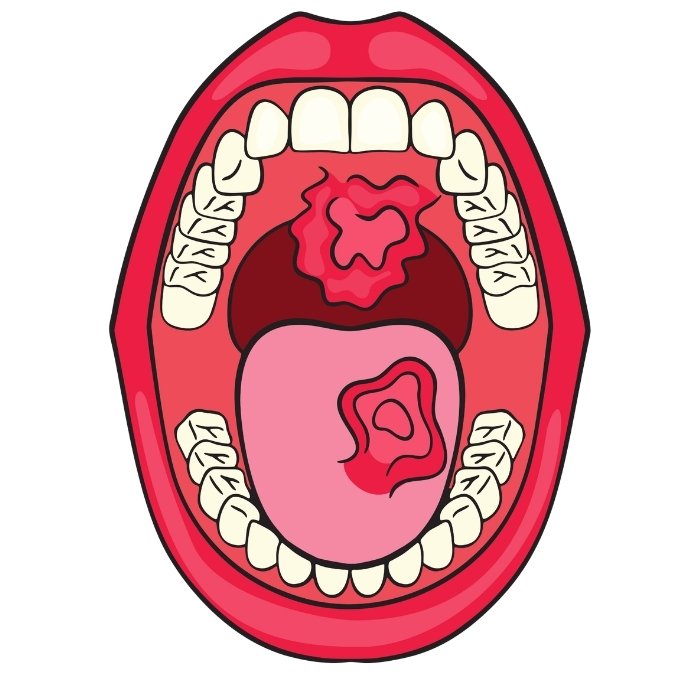
Oral cancer develops when abnormal cells grow within the tissues of the mouth. It may affect the tongue, inner cheeks, gums, lips, floor of the mouth, hard palate, or other areas of the oral cavity. While many mouth sores and ulcers are harmless, those that persist or continue to grow should always be evaluated.
Surgery is often the primary treatment for oral cancer, particularly when the disease is detected early. Depending on the stage and location of the tumour, surgery may be combined with other treatments such as radiation therapy or chemotherapy.
Who May Be at Higher Risk?
Having one or more risk factors does not necessarily mean you will develop oral cancer. Likewise, some patients diagnosed with oral cancer have no obvious risk factors. Although oral cancer can affect anyone, certain factors are known to increase the risk.

Tobacco Use

Alcohol Consumption
Human Papillomavirus (HPV)
Poor Oral Hygiene

Age and Gender

Prolonged Sun Exposure

Long-Standing Oral Irritation

Previous Oral Cancer

Family History
Don't Ignore These Warning Signs
Early evaluation helps identify the cause and allows treatment to begin promptly if required. Many mouth problems are harmless, but certain symptoms should never be ignored if they persist.
- A mouth ulcer lasting more than two weeks
- A lump or swelling inside the mouth
- White or red patches that do not disappear
- Pain while chewing or swallowing
- Difficulty moving the tongue or jaw
- Persistent bleeding from the mouth
- Loose teeth without an obvious cause
- Numbness in the mouth or lips
- A lump in the neck

Care
Patient-Centered

Compassion
Human Touch

Cure
Trusted Outcomes

Understanding Your Oral Cancer Treatment Options
Oral cancer treatment often involves surgery, with additional treatments recommended when required to reduce the risk of recurrence.

Tumour Removal Surgery
The primary goal of surgery is to completely remove the cancer along with a margin of healthy tissue. The extent of surgery depends on the size, location, and stage of the tumour.

Neck Dissection
If there is a possibility that the cancer has spread to nearby lymph nodes, surgery may include removal of selected lymph nodes in the neck as part of comprehensive cancer treatment.

Reconstructive Surgery
When a larger area of tissue needs to be removed, reconstructive surgery may be performed to restore the appearance and improve functions such as speaking, chewing, and swallowing.

Radiation Therapy
Radiation therapy may be recommended after surgery if there is a higher risk of recurrence or when additional treatment is needed to destroy remaining cancer cells.

Chemotherapy
Chemotherapy may be advised alongside radiation therapy or for advanced oral cancers where additional treatment is required beyond surgery.

Targeted Therapy & Immunotherapy
Selected patients may benefit from targeted therapy or immunotherapy based on the type of oral cancer and specialised laboratory testing.

Speech & Swallowing Rehabilitation
Some patients benefit from rehabilitation after treatment to improve speech, swallowing, jaw movement, and overall quality of life during recovery.

Follow-Up and Long-Term Monitoring
Regular follow-up appointments help monitor healing, detect recurrence at an early stage, and address any concerns following treatment.

Finding the Right Diagnosis Starts with Understanding the Whole Picture
Before recommending oral cancer surgery, our specialists first confirm the diagnosis and determine the exact extent of the disease. This helps identify the size of the tumour, whether nearby lymph nodes are involved, and if surgery alone is sufficient or needs to be combined with other treatments.

Medical History
Understanding your symptoms, tobacco or alcohol use, previous oral conditions, medical history, and any earlier treatments.

Comprehensive Oral Examination
A detailed examination of the lips, tongue, cheeks, gums, floor of the mouth, palate, and neck to identify any suspicious lesions or enlarged lymph nodes.

Biopsy
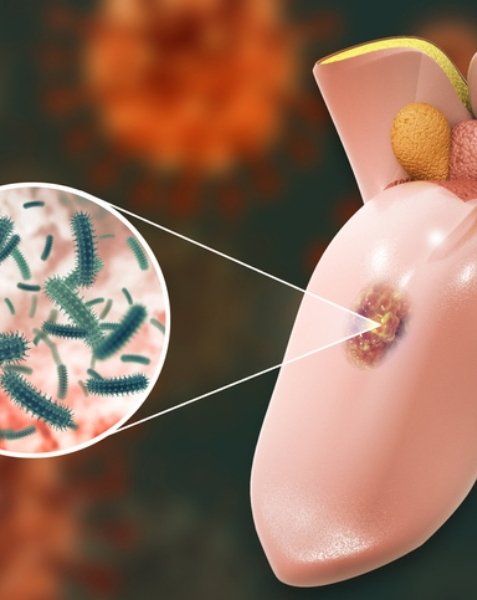
A small tissue sample is collected from the affected area and examined under a microscope to confirm whether the growth is cancerous and determine its type.
Advanced Imaging
CT scan, MRI, PET-CT, or ultrasound may be recommended to assess the size of the tumour, its relationship with surrounding structures, and any spread to nearby lymph nodes.

Cancer Staging
All clinical findings are combined to determine the stage of the cancer, helping us understand how advanced the disease is and plan the most appropriate treatment.

Surgical Planning
After reviewing all reports, our oncology team determines the most suitable surgical approach and whether additional treatments such as radiation therapy or chemotherapy may be needed.

Frequently Asked Question
Is surgery the main treatment for oral cancer?
For many patients with early and locally advanced oral cancer, surgery is the primary treatment. Depending on the stage of the disease, radiation therapy, chemotherapy, or other treatments may also be recommended.
Will I need reconstructive surgery after oral cancer surgery?
Not everyone requires reconstruction. It depends on the size and location of the tumour removed. When needed, reconstructive procedures help restore both appearance and oral function.
Will surgery affect my speech or swallowing?
The impact depends on the location and extent of surgery. Whenever possible, treatment is planned to preserve these functions, and rehabilitation may be recommended during recovery.
Can oral cancer return after surgery?
Yes. Like many cancers, oral cancer can recur. Regular follow-up appointments are important to monitor recovery and detect any recurrence as early as possible.
How long does recovery take after oral cancer surgery?
Recovery varies depending on the type of surgery performed and your overall health. Your care team will provide guidance on wound healing, nutrition, activity, and follow-up during your recovery.
Should I stop tobacco and alcohol after treatment?
Yes. Avoiding tobacco and limiting alcohol significantly reduces the risk of recurrence, improves healing, and supports long-term oral health.
Looking for the Best Women's Hospital in Mumbai?
A mouth ulcer that doesn’t heal, a persistent lump, or ongoing difficulty chewing or swallowing should never be ignored. Early diagnosis and timely surgery can make a significant difference in treatment outcomes. Book a consultation with our oncology team at VED Hospital to discuss your symptoms, understand your diagnosis, and explore the most appropriate treatment options for oral cancer.