Oral Cancer Surgeon in Mumbai
Oral Cancer Assessment by a Surgical Specialist
Oral cancer can affect the tongue, gums, inner cheeks, lips, floor of the mouth and other areas inside the mouth. Early evaluation and timely treatment are important when an unusual sore, lump or patch does not heal. If you are looking for an oral cancer surgeon in Mumbai, Dr. Sanmit Joshi at Ved Hospital can be your point of contact to discuss your symptoms, diagnosis and suitable treatment options.
The treatment plan depends on the location and size of the tumour, the stage of the cancer, your general health and whether the disease has spread to nearby lymph nodes. A proper evaluation helps determine whether surgery or a combination of treatments may be appropriate.
Meet Dr. Sanmit Joshi – Oral Cancer Surgeon in Mumbai
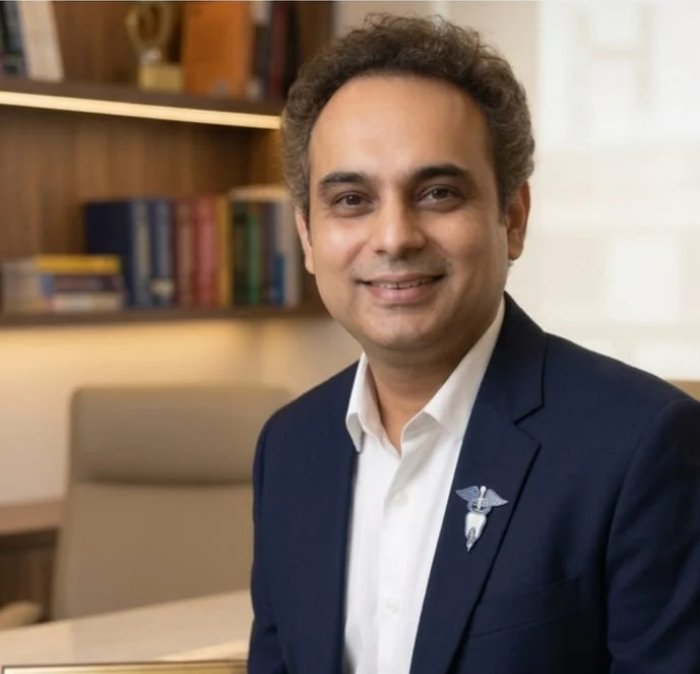
Choosing the right surgeon is an important step after an oral cancer diagnosis. Dr. Sanmit Joshi is the doctor patients can consult at Ved Hospital to discuss their oral cancer concerns and understand the next steps in treatment.
During an evaluation, the doctor may review your symptoms, medical history, biopsy findings and imaging reports, where available. These details help assess the extent of the disease and determine which treatment options need to be considered.
For patients searching for an oral cancer surgeon in Mumbai, the aim is to understand the diagnosis clearly, discuss the purpose and possible risks of treatment, and make informed decisions about the next steps.
What Is Oral Cancer?
Oral cancer, also called mouth cancer, develops when abnormal cells grow uncontrollably in the tissues of the mouth. It can affect different areas, including the tongue, lips, gums, inner lining of the cheeks, roof of the mouth and floor of the mouth.
Tobacco use, including chewing tobacco, is an important risk factor for oral cancer. Alcohol use can also increase risk, particularly when combined with tobacco. However, oral cancer can occur in people without these risk factors as well.
Recognising unusual changes in the mouth and getting them examined can help identify problems that require further investigation.
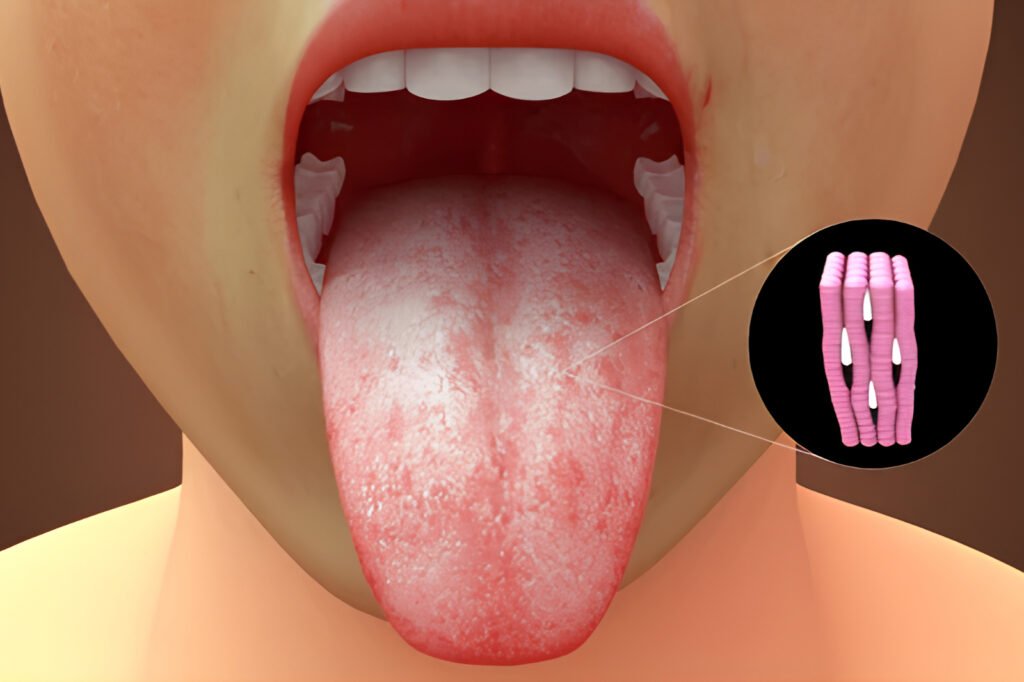
Symptoms That May Require an Oral Cancer Evaluation
Some changes in the mouth can have causes other than cancer. However, symptoms that persist, worsen or appear unusual should not be ignored. Common warning signs include:

A mouth ulcer or sore that does not heal.

A lump, thickened area or growth in the mouth.

Difficulty chewing, swallowing or moving the tongue.

Unexplained bleeding or numbness in the mouth.

A red or white patch inside the mouth.

Persistent pain in the mouth or tongue.
If you notice any of these symptoms, arrange an examination with a qualified healthcare professional. A biopsy may be recommended if an abnormal area needs to be checked for cancer.
Oral Cancer Treatment and Surgical Options
Oral cancer treatment varies from one patient to another. The location of the tumour, its size, the stage of the disease and the patient’s overall health all influence the treatment decision. At Ved Hospital, patients consulting Dr. Sanmit Joshi can discuss their diagnosis and the treatment options relevant to their case.
Surgery to Remove the Tumour
Surgery may be recommended to remove the cancerous tissue along with an appropriate margin of surrounding tissue. The exact procedure depends on where the tumour is located and how far it has grown.
Neck Dissection
If cancer has spread to nearby lymph nodes, or the risk of lymph node involvement warrants it, surgery to remove selected lymph nodes in the neck may be considered.
Reconstructive Surgery
Some patients may need reconstructive procedures after tumour removal. These procedures aim to restore the structure and function of affected areas, depending on the extent of surgery and individual needs.
Radiation Therapy
Radiation therapy, chemotherapy or other systemic treatments may be recommended in selected cases. These treatments may be used alone or alongside surgery, depending on the diagnosis and treatment goals.

How Is Oral Cancer Diagnosed?
An accurate diagnosis helps the treating team understand the type and extent of the disease before recommending treatment.
The evaluation may include:
- Clinical examination: Examination of the mouth, tongue, gums and surrounding tissues, along with assessment of the neck.
- Biopsy: Removal of a small tissue sample for laboratory examination when cancer is suspected.
- Imaging tests: CT, MRI or other scans may be recommended to assess the tumour and nearby structures.
- Cancer staging: The results help determine the extent of the disease and guide treatment planning.
Patients visiting Ved Hospital should bring previous biopsy reports, scan results, prescriptions and relevant medical records to their consultation, if available.
Oral Cancer Care at Ved Hospital
A cancer diagnosis can raise questions about surgery, recovery, possible side effects and further treatment. Having these concerns discussed clearly with the treating doctor helps patients and their families make informed decisions.
At Ved Hospital, patients can enquire about consulting Dr. Sanmit Joshi for oral cancer evaluation and treatment planning. The appropriate approach will depend on the diagnosis, the available clinical findings and the patient’s individual needs.
If you have a persistent mouth ulcer, an unusual patch or a confirmed oral cancer diagnosis, arrange a medical consultation to discuss the next steps.
Frequently Asked Questions
What are the treatment options for oral cancer?
Treatment may include surgery, radiation therapy, chemotherapy or a combination of approaches. The choice depends on the tumour’s location, size, stage, lymph node involvement and the patient’s general health.
Is surgery necessary for every oral cancer patient?
No. Surgery is a common treatment for many oral cavity cancers, but it is not necessary in every case. Depending on the diagnosis, radiation therapy or a combination of treatments may be considered. The treating cancer team determines the appropriate approach.
How is oral cancer diagnosed?
Oral cancer evaluation may involve a physical examination of the mouth and neck, a biopsy and imaging tests such as CT or MRI scans when indicated. These investigations help confirm the diagnosis and determine the extent of the disease.
Can oral cancer affect the tongue and inner cheeks?
Yes. Oral cancer can develop in the tongue, inner lining of the cheeks, gums, lips, floor of the mouth and hard palate. The symptoms and treatment options depend on the affected area and the extent of the disease.
Does every mouth ulcer indicate oral cancer?
No. Most mouth ulcers are not cancerous. However, an ulcer that persists for around two weeks, keeps returning or is accompanied by a lump, bleeding or other unusual changes should be examined by a healthcare professional.
Can oral cancer return after treatment?
Yes, oral cancer can recur in some patients. Follow-up visits are important to monitor recovery, check for signs of recurrence and manage any lasting effects of treatment. The follow-up schedule depends on the individual’s diagnosis and treatment history.
Consult Dr. Sanmit Joshi for Oral Cancer Evaluation
Timely evaluation can help you understand your condition and plan the next steps in care. Book a consultation at Ved Hospital to discuss your oral health concerns.