


Laryngeal (Larynx) Cancer Surgery in Mumbai
Expert Surgical Care for Voice Box Cancer with a Focus on Function and Recovery
Laryngeal (larynx) cancer develops in the voice box, an organ that plays an essential role in speaking, breathing, and swallowing. Surgery is one of the primary treatment options for selected patients and may be recommended alone or alongside other cancer treatments depending on the stage of the disease. At VED Hospital, our surgical team carefully evaluates each patient to determine the most appropriate approach while aiming to preserve important functions whenever medically possible.
Whether you’ve been diagnosed with laryngeal cancer, have persistent voice changes, or have been advised to undergo surgery, our specialists will help you understand your diagnosis, treatment options, and what to expect throughout your care.
What Brings You Here Today?
Laryngeal cancer often begins with symptoms that are easy to overlook. If any of these situations sound familiar, it’s important to seek specialist evaluation.
My Voice Has Been Hoarse for Weeks
Persistent hoarseness lasting more than three weeks should always be evaluated.
I'm Having Difficulty Swallowing
Pain or difficulty while swallowing may indicate a condition affecting the voice box or nearby structures.
I Feel Like Something Is Stuck in My Throat
A persistent sensation in the throat that does not improve deserves further assessment.
I've Been Diagnosed with Laryngeal Cancer
Understanding your surgical options can help you make informed treatment decisions.
I've Been Advised to Consider Surgery
Learning about available surgical procedures can help you prepare for treatment.
I'm Looking for a Second Opinion
A specialist review can help confirm the diagnosis and discuss all available treatment options.
Understanding Laryngeal (Voice Box) Cancer
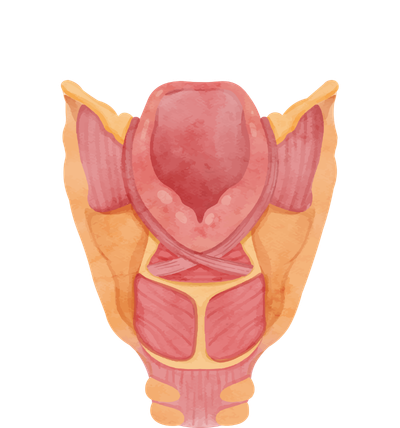
The larynx, commonly known as the voice box, is located between the throat and windpipe. It contains the vocal cords and plays a vital role in producing speech, protecting the airway during swallowing, and allowing normal breathing.
Laryngeal cancer occurs when abnormal cells develop within the tissues of the voice box. Depending on the location and stage of the tumour, surgery may involve removing a small part of the larynx or, in more advanced cases, removing the entire voice box. Treatment planning focuses on removing the cancer while preserving function whenever possible.
Who May Be at Higher Risk?
Certain factors may increase the likelihood of developing laryngeal cancer. Having one or more risk factors does not necessarily mean you will develop laryngeal cancer. Likewise, some patients diagnosed with the disease have no identifiable risk factors.

Tobacco Use

Alcohol Consumption

Increasing Age

Male Gender

Human Papillomavirus (HPV)

Occupational Exposure

Previous Head & Neck Cancer

Poor Oral Hygiene & Nutrition

Family History
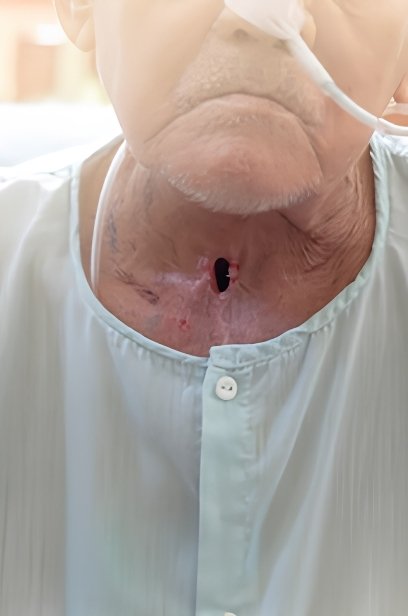
Don't Ignore These Warning Signs
Early assessment helps determine whether the symptoms are related to laryngeal cancer or another condition. Persistent symptoms affecting the voice box should not be ignored, especially if they continue for several weeks.
- Hoarseness lasting longer than three weeks
- Persistent sore throat
- Difficulty or pain while swallowing
- A lump in the neck
- Persistent cough or coughing up blood
- Difficulty breathing
- Ear pain without an ear infection
- Unexplained weight loss

Care
Patient-Centered

Compassion
Human Touch

Cure
Trusted Outcomes

Understanding Your Surgical Treatment Options
The type of surgery depends on the stage of the cancer, its location, and how much of the larynx is involved.

Endoscopic Laser Surgery
Selected early-stage laryngeal cancers may be removed through the mouth using specialised laser techniques without external incisions.

Partial Laryngectomy
When the cancer is confined to a specific part of the voice box, only the affected portion of the larynx may be removed while preserving speech and swallowing whenever possible.

Total Laryngectomy
For advanced cancers involving a large part of the larynx, complete removal of the voice box may be necessary to achieve effective cancer control. Patients receive guidance on communication and rehabilitation after surgery.

Neck Dissection
If cancer has spread to nearby lymph nodes or there is a significant risk of spread, selected lymph nodes in the neck may be removed during surgery.

Radiation Therapy
Radiation therapy may be recommended after surgery or as the primary treatment in selected cases, depending on the stage and pathology findings.

Chemotherapy
Some patients may benefit from chemotherapy in combination with radiation therapy, particularly for advanced or high-risk cancers.

Voice & Swallowing Rehabilitation
Rehabilitation plays an important role after treatment, helping patients adapt to changes in speech, swallowing, and breathing where required.

Long-Term Follow-Up
Regular examinations, endoscopy, and imaging help monitor recovery, evaluate treatment outcomes, and detect recurrence at an early stage.

Finding the Right Diagnosis Starts with Understanding the Whole Picture
Before recommending laryngeal cancer surgery, our specialists carefully evaluate the tumour, surrounding structures, and your overall health to determine the most appropriate treatment approach.

Medical History
Reviewing your symptoms, tobacco and alcohol history, previous illnesses, and overall health.

Comprehensive Head & Neck Examination
A detailed examination helps assess the neck, throat, and surrounding tissues.

Laryngoscopy
A specialised camera is used to examine the voice box, assess the vocal cords, and identify the exact location of the tumour.


Biopsy & Imaging
A tissue sample confirms the diagnosis, while CT scan, MRI, or PET-CT helps determine the size and stage of the cancer.

Cancer Staging
Clinical findings and investigation results are combined to understand the extent of the disease and plan treatment.

Multidisciplinary Treatment Planning
The head & neck surgery, oncology, pathology, and radiology teams review all findings before recommending the most appropriate treatment.
Frequently Asked Question
Will every patient with laryngeal cancer need surgery?
No. Treatment depends on the stage, location, and extent of the cancer. Some patients may be treated with radiation therapy or combined treatments, while others may benefit most from surgery.
Will I lose my voice after laryngeal cancer surgery?
Not always. Many patients undergoing partial laryngectomy or early-stage laser surgery retain useful speech. Voice changes depend on the type of surgery required and the extent of the disease.
What happens after a total laryngectomy?
After complete removal of the voice box, patients breathe through a permanent opening in the neck called a stoma. Voice rehabilitation options and speech therapy are discussed before and after surgery.
Will I need radiation or chemotherapy after surgery?
Some patients may require additional treatment based on the final pathology report, lymph node involvement, or other high-risk features identified after surgery.
How long does recovery take?
Recovery varies depending on the type of surgery performed and your overall health. Rehabilitation, nutrition, and regular follow-up all contribute to long-term recovery.
Can laryngeal cancer return after treatment?
Recurrence is possible after any cancer treatment. Routine follow-up visits, laryngoscopy, and imaging play an important role in detecting recurrence as early as possible.
Take the Next Step Towards Expert Laryngeal Cancer Care
If you’ve been diagnosed with laryngeal cancer or have persistent hoarseness that needs further evaluation, timely specialist care can help determine the most appropriate treatment for your condition. Book a consultation with our surgical team at VED Hospital to discuss your diagnosis, understand your treatment options, and receive expert guidance for laryngeal cancer surgery.