Head and Neck Cancer Surgeon in Mumbai
Head and Neck Cancer Surgery and Treatment Planning
Head and neck cancer can affect different areas, including the mouth, tongue, throat, voice box, nasal cavity, sinuses and salivary glands. Symptoms may include a persistent lump, a sore that does not heal, difficulty swallowing or changes in the voice. If you are looking for a head and neck cancer surgeon in Mumbai, Dr. Sanmit Joshi at Ved Hospital can be a point of contact to discuss your symptoms, diagnosis and suitable treatment options.
The treatment plan depends on the location and size of the tumour, the type and stage of cancer, your general health and whether the disease has spread to nearby lymph nodes or other areas. A detailed evaluation helps determine whether surgery, radiation therapy, chemotherapy or a combination of treatments may be appropriate.
Meet Dr. Sanmit Joshi – Head and Neck Cancer Surgeon in Mumbai

Choosing the right surgeon is an important step after a head and neck cancer diagnosis. Patients can enquire at Ved Hospital about consulting Dr. Sanmit Joshi to discuss their diagnosis, understand the available treatment options and plan the next steps in their care.
During an evaluation, the doctor may review your symptoms, medical history, biopsy findings and imaging reports, where available. The assessment helps establish the location and extent of the tumour and determine which treatment approaches may be suitable.
For patients searching for a head and neck cancer surgeon in Mumbai, understanding the diagnosis, the purpose of the proposed treatment and its possible risks is an important part of making informed decisions. Depending on the condition, treatment may also involve coordination with other cancer specialists.
What Is Head and Neck Cancer?
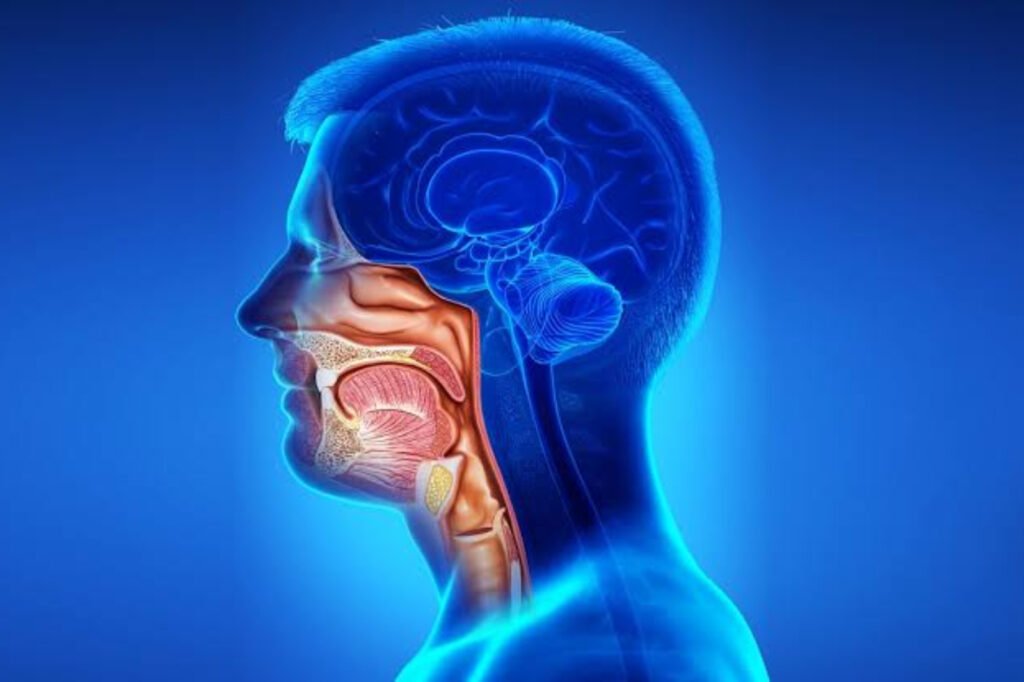
Head and neck cancer refers to a group of cancers that develop in tissues and organs in the head and neck region. Many of these cancers begin in the moist lining of the mouth, throat, voice box or nasal cavity. Other types can develop in the salivary glands and surrounding structures.
Common types of head and neck cancer include:
- Oral cancer: Cancer affecting the tongue, gums, lips, inner cheeks or other tissues inside the mouth.
- Throat cancer: Cancer involving areas such as the oropharynx or hypopharynx.
- Laryngeal cancer: Cancer affecting the voice box, which can influence speech and breathing.
- Nasal cavity and sinus cancer: Cancer developing in the nasal passages or the air-filled spaces around the nose.
- Salivary gland cancer: Cancer that develops in glands responsible for producing saliva.
Symptoms That May Require a Head and Neck Cancer Evaluation
Head and neck cancer symptoms can resemble those of less serious conditions. However, persistent or unexplained changes should not be ignored, particularly if they continue to worsen.

A mouth sore or ulcer that does not heal.

Difficulty swallowing or pain while swallowing.

Persistent hoarseness or changes in the voice.

Unexplained bleeding or numbness in the mouth or face.

Difficulty moving the tongue or opening the mouth.

A lump or unusual growth inside the mouth.
These symptoms do not necessarily indicate cancer, but they may require further investigation. If a symptom persists, arrange an examination with a qualified healthcare professional. A biopsy may be recommended if an abnormal area needs to be checked for cancer.
Head and Neck Cancer Treatment Options
Treatment for head and neck cancer varies according to the type of cancer, its location, stage and the patient’s general health. The treatment plan also considers how the disease and its treatment may affect speech, swallowing, breathing and appearance. At Ved Hospital, patients can enquire about consulting Dr. Sanmit Joshi to discuss their diagnosis and the treatment options relevant to their condition.
Surgery to Remove the Tumour
Surgery may be recommended to remove cancerous tissue along with an appropriate margin of surrounding tissue. The procedure depends on the location of the tumour and the extent of the disease. The surgical plan may also consider the need to preserve important functions wherever possible.
Neck Dissection
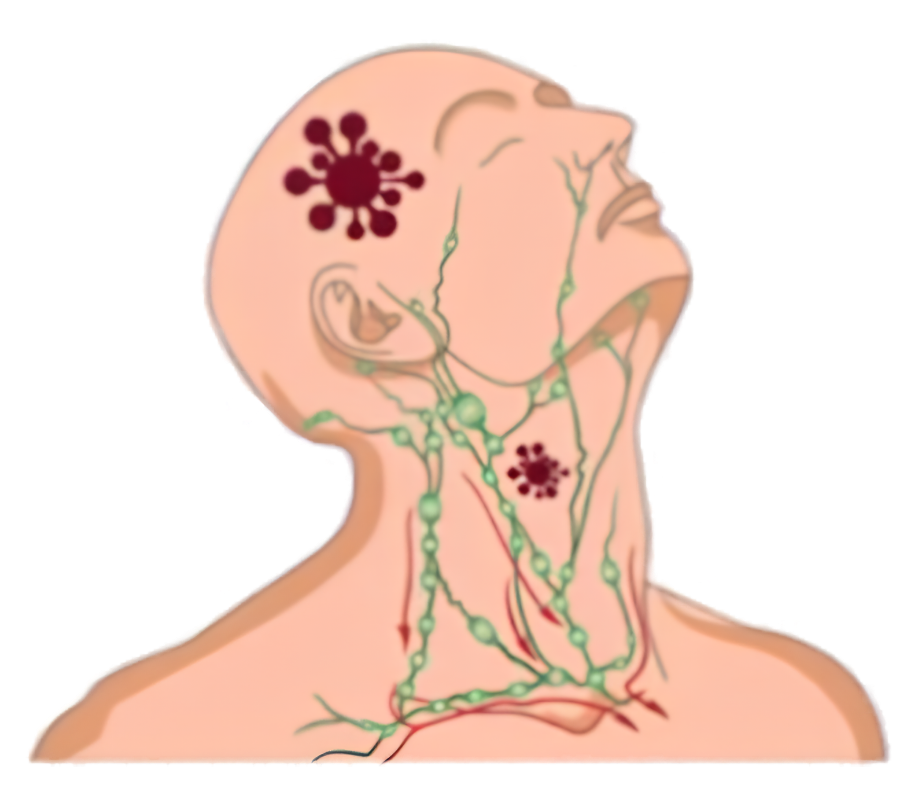
Some head and neck cancers can spread to lymph nodes in the neck. If lymph node involvement is confirmed or the risk warrants surgical treatment, a neck dissection may be considered. The extent of the procedure depends on the cancer type and clinical findings.
Reconstructive Surgery
Some patients may require reconstructive surgery after the removal of a tumour, particularly when the procedure affects the mouth, jaw, tongue or other important structures. Reconstruction aims to restore the affected area’s structure and, where possible, improve functions such as speaking, swallowing and chewing.
Radiation Therapy
Radiation therapy, chemotherapy and other systemic treatments may be recommended depending on the type and stage of cancer. These treatments may be used instead of surgery in selected cases or combined with surgery when appropriate. The final treatment plan should be based on the patient’s diagnosis, investigation results and discussion with the relevant cancer care team.
How Is Head and Neck Cancer Diagnosed?
Accurate diagnosis helps determine the type of cancer, its location and how far it has spread. These findings guide decisions about surgery and other treatments.
The evaluation may include:
- Clinical examination: Examination of the mouth, throat, neck and other areas relevant to the symptoms.
- Endoscopy: A specialist may use an endoscope to examine parts of the throat, voice box or nasal passages that are difficult to see during a routine examination.
- Biopsy: A tissue sample is collected from a suspicious area and examined in a laboratory to determine whether cancer is present.
- Imaging tests: CT, MRI or PET-CT scans may be recommended to assess the tumour, nearby structures and possible spread of the disease.
- Cancer staging: The diagnostic findings help establish the extent of the cancer and guide treatment planning.
Patients visiting Ved Hospital should bring previous biopsy reports, scan results, prescriptions and relevant medical records to their consultation, if available.
Head and Neck Cancer Care at Ved Hospital
A head and neck cancer diagnosis can raise questions about surgery, recovery, possible side effects and the effect of treatment on everyday activities. Clear discussions with the treating doctor can help patients and their families understand the available options and make informed decisions.
At Ved Hospital, patients can enquire about consulting Dr. Sanmit Joshi for head and neck cancer evaluation and treatment planning. The appropriate approach depends on the cancer type, diagnostic findings, individual needs and the services available.
Whether you are seeking an evaluation for persistent symptoms or have already received a cancer diagnosis, a timely medical consultation can help clarify the next steps in care.
Frequently Asked Questions
What does a head and neck cancer surgeon treat?
A head and neck cancer surgeon treats cancers affecting areas such as the mouth, tongue, throat, voice box, nasal cavity, sinuses and salivary glands, depending on their training and speciality. Treatment may involve removing the tumour, addressing affected lymph nodes or coordinating care with other cancer specialists.
What are the common symptoms of head and neck cancer?
Common symptoms include a persistent neck lump, a mouth sore that does not heal, difficulty swallowing, ongoing throat pain, changes in the voice, unexplained nosebleeds and unusual growths in the mouth. These symptoms can have other causes, but persistent changes should be medically evaluated.
What are the treatment options for head and neck cancer?
Treatment may include surgery, radiation therapy, chemotherapy or a combination of these approaches. The choice depends on the cancer’s location, type, stage, spread and the patient’s general health. The treating cancer team determines the most suitable plan.
Is surgery necessary for every head and neck cancer patient?
No. Surgery is an important treatment option for many head and neck cancers, but it is not required in every case. Some cancers may be treated with radiation therapy, chemotherapy or a combination of treatments, depending on the diagnosis and treatment goals.
How is head and neck cancer diagnosed?
Diagnosis may involve a clinical examination, endoscopy, biopsy and imaging tests such as CT or MRI scans. PET-CT may be recommended in selected cases. The tests required depend on the suspected cancer type and the findings from the initial assessment.
Can head and neck cancer affect speech and swallowing?
Yes. Depending on the tumour’s location and the treatment required, head and neck cancer can affect speech, swallowing, chewing or breathing. Treatment planning may consider ways to preserve these functions, and some patients may benefit from rehabilitation after treatment.
Consult Dr. Sanmit Joshi for Head and Neck Cancer Evaluation
Concerned about a lump in the neck, a persistent throat problem or a confirmed cancer diagnosis? Arrange a consultation to discuss the appropriate evaluation and treatment options.