Dental Implant in Mumbai
Replacing Missing Teeth with Dental Implants
Missing teeth can affect chewing, speech and the appearance of your smile. Dental implants are one option for replacing missing teeth and restoring their function. If you are considering a dental implant in Mumbai, a dental evaluation can help determine whether this procedure is suitable for your oral health, jawbone condition and individual needs.
A dental implant is a small post, usually made of titanium, that is placed in the jawbone to act as an artificial tooth root. After the implant integrates with the bone, a crown, bridge or denture may be attached, depending on how many teeth need to be replaced. The treatment plan depends on your oral health, the condition of the gums and jawbone, and whether any additional dental procedures are required.
Choosing the Right Dental Specialist for Implant Surgery

Choosing an appropriately qualified implant surgeon is an important step when replacing missing teeth. Dr. Sanmit Joshi is an oral and maxillofacial surgeon whose published professional profile lists dental implants and full-mouth rehabilitation among his areas of expertise.
Before planning an implant procedure, the surgeon may assess the condition of your teeth, gums and jawbone, review your medical history and examine any existing dental reports. These findings help determine the number of implants required and whether additional procedures may be needed.
Patients contacting Ved Hospital can enquire about dental implant consultation availability and confirm the specialist for their needs. Discussing the expected results, possible risks, treatment stages and maintenance requirements can help you make an informed decision.
What Is a Dental Implant?
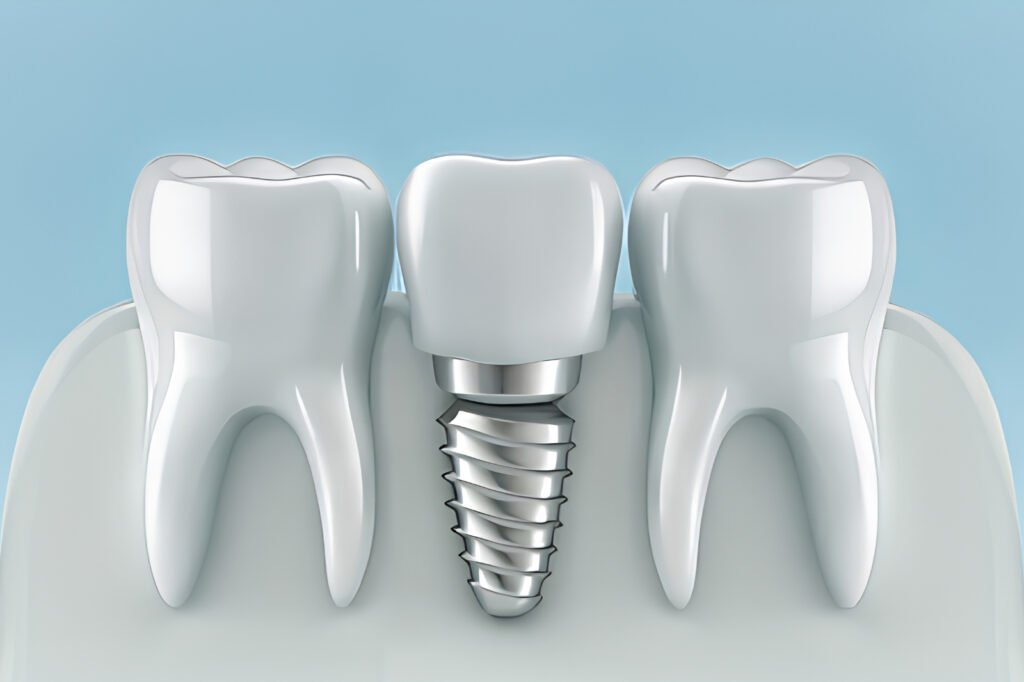
A dental implant is a tooth replacement option designed to act like the root of a missing tooth. It is placed in the jawbone and can support an artificial tooth that resembles a natural tooth in appearance and function.
A typical dental implant restoration may include three components:
- Implant post: A small post placed in the jawbone to act as the artificial tooth root.
- Abutment: A connector that attaches the implant to the replacement tooth.
- Dental crown: The visible part of the restoration, designed to replace the missing tooth.
Dental implants can be used to replace a single missing tooth, support a bridge when several teeth are missing or help retain certain types of dentures. The appropriate option depends on the number of missing teeth, the condition of the jawbone and the patient’s overall oral health.
When Should You Consider Dental Implants?
Dental implants may be considered when one or more teeth are missing due to injury, decay, gum disease or other dental problems. However, not every patient is immediately suitable for implant placement. Common reasons to consider dental implant evaluation include:

A single missing tooth that needs replacement.

Several missing teeth affecting chewing or speech.

Difficulty using or retaining a removable denture.

A gap that affects the appearance of your smile.

Tooth loss following an injury or dental extraction.

A need for a fixed alternative to certain removable tooth replacement options.
Patients with active gum disease, uncontrolled medical conditions or insufficient jawbone may need additional assessment or treatment before implant placement. A dentist can explain whether implants, bridges, dentures or another option may be more appropriate.
Dental Implant Procedure and Treatment Options
Dental implant treatment is planned according to the number of missing teeth, the condition of the jawbone, the health of the gums and the type of restoration required. The process may take several months, particularly when healing or additional procedures are needed. Depending on the patient’s needs, the treatment may involve the following steps.
Single Tooth Dental Implant
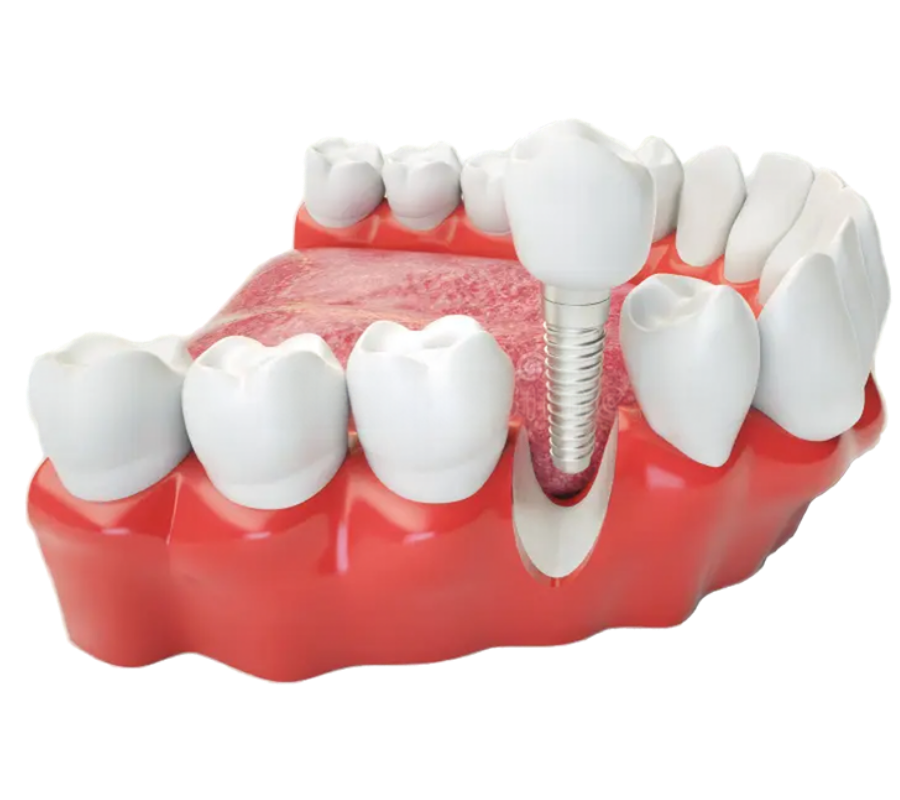
A single tooth implant may be considered when one tooth is missing. The implant is placed in the jawbone and, after an appropriate healing period, a dental crown is attached to replace the missing tooth.
This approach can replace the individual tooth without relying on the neighbouring teeth for support, as is generally required with a conventional tooth-supported bridge.
Multiple Tooth Replacement with Implants
When several teeth are missing, implants may be used to support a dental bridge or another type of restoration. The number and position of implants depend on the location of the missing teeth, the condition of the jawbone and the design of the proposed restoration.
A dental assessment helps determine whether implant-supported replacement is suitable and how the restoration should be planned.
Full-Mouth Dental Implants
Patients who have lost most or all of their teeth may be assessed for an implant-supported full-arch restoration. Depending on the clinical findings, a suitable number of implants may be used to support a fixed bridge or retain a denture.
Full-mouth implant treatment requires detailed planning and may involve several stages. The appropriate option depends on bone availability, gum health, general health and the patient’s expectations.
Bone Grafting Before Dental Implant Placement
Some patients do not have enough jawbone to support an implant in the planned position. In selected cases, a bone graft may be recommended to improve the available bone before implant placement.
Whether bone grafting is required depends on the amount and quality of existing bone, the implant site and the dentist’s assessment. It can add time to the overall treatment process.
Crown Placement and Final Restoration
After the implant has integrated with the jawbone, a crown, bridge or other suitable restoration may be attached. The restoration is planned to fit the bite, match the surrounding teeth as closely as possible and support normal chewing function.
In selected cases, a temporary restoration may be used during healing. The timing of the final restoration depends on the implant’s stability, healing progress and clinical findings.
How Is Dental Implant Treatment Planned?
Before placing a dental implant, the dentist needs to assess the condition of the mouth and determine whether the jawbone and gums can support the procedure. This evaluation also helps identify factors that could affect healing.
The assessment may include:
- Dental examination: Checking the missing tooth area, remaining teeth, gums and bite.
- Dental X-rays or 3D imaging: Assessing the jawbone, available space and nearby anatomical structures when indicated.
- Gum health assessment: Checking for gum disease or inflammation that may need treatment before implant placement.
- Jawbone evaluation: Determining whether enough bone is available to support the implant.
- Medical history review: Discussing medications, smoking, diabetes and other factors that may affect healing.
- Treatment planning: Deciding the implant position, type of restoration, treatment stages and expected timeline.
Patients visiting Ved Hospital should bring any previous dental X-rays, treatment records, medication details and relevant medical reports, if available.
Dental Implant Care at Ved Hospital
Replacing missing teeth involves more than choosing an implant. Patients may have questions about the procedure, healing time, appearance, cost and long-term maintenance. Discussing these concerns with a qualified dental specialist can help clarify the options available.
At Ved Hospital, patients can enquire about a dental consultation to assess their suitability for implants and understand the steps involved in tooth replacement. The recommended approach will depend on the condition of the teeth, gums and jawbone, along with the patient’s overall health.
Whether you need to replace one missing tooth or are exploring options for several missing teeth, an individual dental assessment can help establish a suitable treatment plan.
Frequently Asked Questions
Who is suitable for dental implants?
People with missing teeth may be suitable if they have healthy gums, adequate jawbone and an overall health status that allows healing. Some patients may need gum treatment, bone grafting or management of medical conditions before the procedure. A dental examination is necessary to assess suitability.
How long do dental implants last?
Dental implants can last many years, but their longevity varies from person to person. Oral hygiene, regular dental check-ups, smoking, gum health and general health can all affect their long-term success. The crown or other restoration may need maintenance or replacement over time.
Can dental implants replace multiple missing teeth?
Yes. Depending on the patient’s condition, implants can support a bridge or a full-arch restoration to replace several missing teeth. The number of implants required depends on the restoration design, available bone and individual treatment plan.
Difference between a dental implant, a bridge and a denture?
A dental implant is placed in the jawbone and supports a replacement tooth. A conventional bridge uses neighbouring teeth for support, while a denture is a removable replacement for missing teeth. The right option depends on oral health, the number of missing teeth, bone condition and personal needs.
How long does dental implant treatment take?
The timeline varies according to the patient’s oral health, bone condition and the type of restoration required. Some cases can be completed in a shorter period, while others need several months for healing or additional procedures before the final tooth is attached.
Is dental implant surgery painful?
The procedure is generally carried out using local anaesthesia, so pain during surgery is usually controlled. Some soreness, swelling or discomfort may occur afterwards. The dentist can explain how to manage these effects and when to seek further assessment.
Is bone grafting necessary before dental implant surgery?
No. Bone grafting is not required for every patient. It may be recommended when there is insufficient jawbone to place an implant safely in the planned position. Imaging and a clinical examination help determine whether it is needed.
How should I care for my dental implants after surgery?
Follow the dentist’s cleaning instructions, maintain daily oral hygiene, attend follow-up appointments and avoid smoking. Report persistent pain, swelling, bleeding or movement of the implant restoration to your dentist.
Plan Your Dental Implant in Mumbai
Contact Ved Hospital to enquire about a dental consultation, review your tooth replacement options and learn about the steps involved in dental implant treatment.