
Maxillofacial Surgery in Mumbai
Specialised Surgical Care for Conditions Affecting the Face, Jaw, Mouth, and Neck
Maxillofacial surgery focuses on diagnosing and treating conditions involving the jaws, facial bones, mouth, teeth, salivary glands, and surrounding soft tissues. Treatment may be required for facial injuries, oral cancers, jaw disorders, cysts, infections, congenital conditions, or complex dental problems. At VED Hospital, our surgical team carefully evaluates every patient to recommend the most appropriate treatment while preserving function, appearance, and quality of life.
Whether you’ve been referred for jaw surgery, oral tumour removal, facial trauma management, or another maxillofacial procedure, our specialists will help you understand your diagnosis, available treatment options, and what to expect throughout your care.
What Brings You Here Today?
Maxillofacial surgery covers a wide range of conditions affecting the face and mouth. You may benefit from specialist evaluation if any of these situations sound familiar.
I've Been Diagnosed with an Oral Growth
A persistent lump, ulcer, or abnormal growth inside the mouth should always be evaluated.
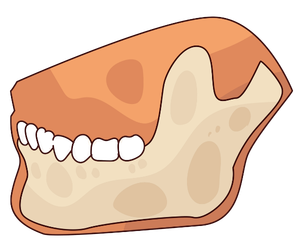
I Have a Jaw Swelling or Cyst
Swelling of the jaw may be caused by cysts, infections, or other conditions that require surgical treatment.
I've Had a Facial Injury
Fractures involving the jaw, cheekbone, or facial bones often require specialist assessment and treatment.
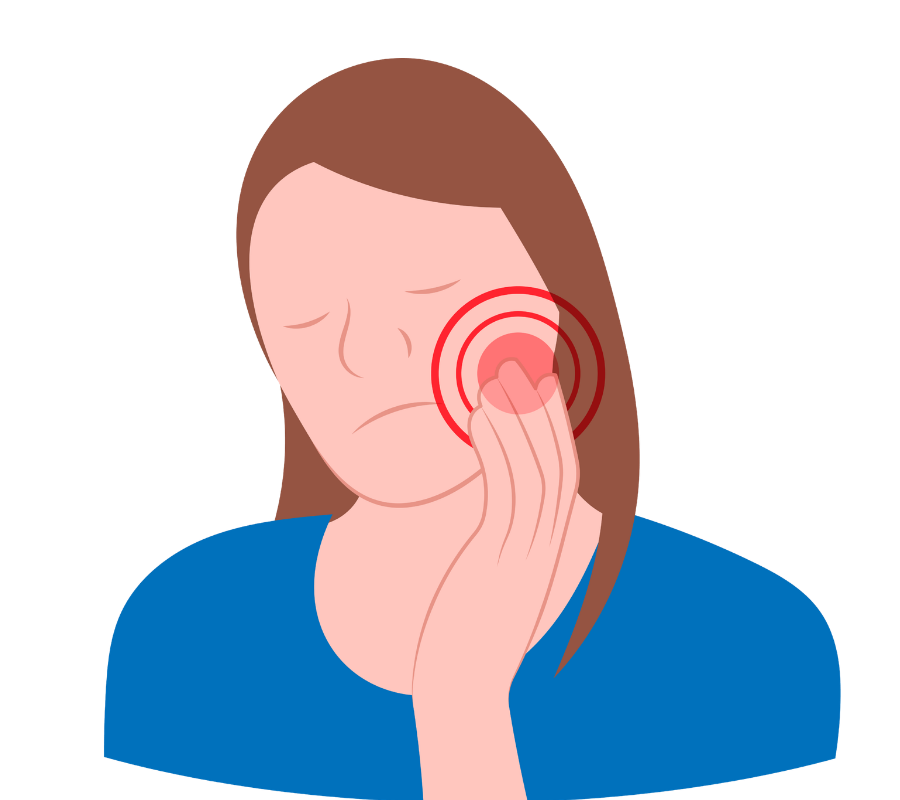
I'm Having Difficulty Opening My Mouth
Restricted jaw movement, pain, or locking may indicate conditions affecting the jaw joint or surrounding structures.
I've Been Advised to Undergo Jaw Surgery
Understanding the procedure and available treatment options can help you make informed decisions.
I'm Looking for a Second Opinion
A specialist review can help confirm your diagnosis and discuss the most appropriate surgical approach.
Understanding Maxillofacial Surgery
Maxillofacial surgery is a specialised branch of surgery that treats diseases, injuries, and abnormalities affecting the mouth, jaws, face, and neck. Procedures may range from removing oral cysts and tumours to treating facial fractures, jaw deformities, salivary gland disorders, and oral cancers.
Because many structures in the face are closely connected, treatment often requires careful planning to restore function while maintaining facial appearance whenever possible.
Who May Need Maxillofacial Surgery?
Maxillofacial surgery may be recommended for patients with a wide variety of conditions affecting the face and oral cavity. Not every condition affecting the face or mouth requires surgery. A detailed clinical evaluation helps determine the most appropriate treatment.

Oral Cancer

Facial Trauma
Jaw Cysts & Tumours
Salivary Gland Disorders
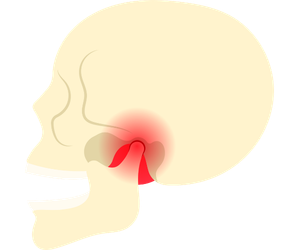
Temporomandibular Joint (TMJ) Disorders
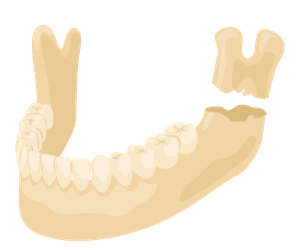
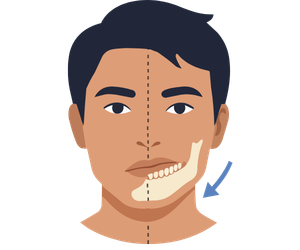
Jaw Deformities

Severe Oral Infections
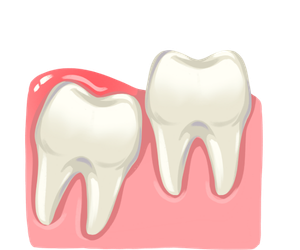
Impacted Teeth & Complex Dental Conditions

Congenital Facial Conditions
Don't Ignore These Warning Signs
Early evaluation helps identify the cause and determine whether surgical treatment is required. Persistent symptoms affecting the mouth, face, or jaw should always be evaluated.
- A mouth ulcer lasting longer than two weeks
- A lump inside the mouth or jaw
- Persistent facial swelling
- Difficulty opening the mouth
- Jaw pain while chewing
- Loose teeth without a dental cause
- Facial injury following trauma
- Persistent numbness of the lips or face

Care
Patient-Centered

Compassion
Human Touch

Cure
Trusted Outcomes

Understanding Your Surgical Treatment Options
The type of surgery depends on your diagnosis, the affected structures, and the complexity of the condition.

Oral Cancer Surgery
Cancer affecting the lips, tongue, cheeks, gums, or floor of the mouth may require surgical removal, with reconstruction performed when necessary to restore function.

Facial Trauma Surgery
Fractures involving the jaw, cheekbone, eye socket, or other facial bones are carefully repaired to restore facial alignment, appearance, and normal function.

Jaw Cyst & Tumour Surgery
Benign and malignant growths affecting the jawbone are removed while preserving as much healthy bone and surrounding tissue as possible.

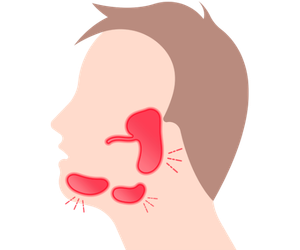
Salivary Gland Surgery
Surgery may be recommended for salivary gland tumours, recurrent infections, or stones causing persistent pain and swelling.

Corrective Jaw Surgery
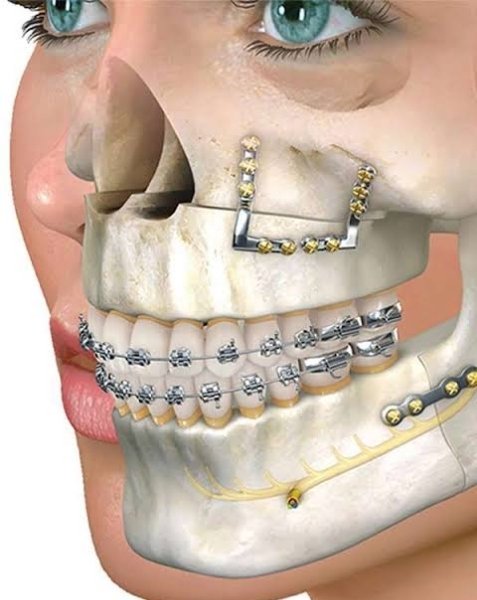
Jaw realignment procedures may improve bite, chewing, speech, facial balance, and jaw function in selected patients.

TMJ Surgery
Patients with severe temporomandibular joint disorders who do not respond to conservative treatment may benefit from surgical intervention.

Reconstructive Surgery
Reconstruction following tumour removal or facial trauma helps restore appearance while supporting normal speech, chewing, and swallowing.

Long-Term Follow-Up
Regular follow-up appointments help monitor healing, evaluate jaw function, and ensure long-term recovery after surgery.

Finding the Right Diagnosis Starts with Understanding the Whole Picture
Before recommending maxillofacial surgery, our specialists carefully evaluate your symptoms, imaging studies, and overall health to determine the exact cause of your condition and the most appropriate treatment.

Medical History
Reviewing your symptoms, previous treatments, dental history, medical conditions, and overall health.

Clinical Examination
A detailed examination of the mouth, jaws, face, neck, and surrounding structures helps identify the underlying problem.

Dental & Oral Assessment
Evaluation of the teeth, gums, jaw alignment, oral soft tissues, and bite when relevant to your condition.

Imaging & Biopsy
X-rays, CT scans, MRI, ultrasound, or biopsy may be recommended depending on the suspected condition.

Treatment Planning
Clinical findings and investigation results are carefully reviewed to determine whether surgery or another treatment approach is most appropriate.

Multidisciplinary Review
When required, specialists from surgical oncology, dentistry, ENT, plastic surgery, pathology, and radiology collaborate to plan comprehensive care.
Frequently Asked Question
What conditions are treated with maxillofacial surgery?
Maxillofacial surgery treats a wide range of conditions, including oral cancers, facial fractures, jaw cysts, salivary gland disorders, TMJ conditions, facial infections, and jaw deformities.
Will every jaw or facial condition require surgery?
No. Many conditions can be managed with medication, observation, or non-surgical treatment. Surgery is recommended only when it offers the most appropriate solution.
Will facial surgery leave visible scars?
The surgical approach depends on the condition being treated. Whenever possible, incisions are planned to minimise visible scarring while allowing safe and effective treatment.
How long does recovery take after maxillofacial surgery?
Recovery varies depending on the type of surgery and the complexity of the condition. Your surgical team will provide detailed instructions regarding diet, oral care, activity, and follow-up.
Will I need reconstructive surgery after tumour removal?
Some patients may require reconstruction following oral cancer surgery or facial trauma. The need for reconstruction depends on the amount of tissue removed and the area involved.
Will I need regular follow-up after surgery?
Yes. Follow-up appointments help monitor healing, assess jaw function, evaluate recovery, and detect any recurrence or complications at an early stage.
Take the Next Step Towards Expert Maxillofacial Care
Whether you’ve been diagnosed with an oral tumour, facial injury, jaw disorder, or another condition affecting the mouth or face, timely specialist evaluation can help determine the most appropriate treatment. Book a consultation with our surgical team at VED Hospital to discuss your diagnosis, understand your treatment options, and receive expert care for maxillofacial surgery.