GI Cancer Surgeon in Mumbai
Surgical Care for Cancers of the Digestive System
Gastrointestinal (GI) cancer can affect different parts of the digestive system, including the food pipe, stomach, small intestine, colon, rectum, liver, pancreas and gallbladder. Symptoms may vary depending on the affected organ and can include persistent abdominal discomfort, changes in bowel habits, difficulty swallowing, unexplained weight loss or blood in the stool. If you are looking for a GI cancer surgeon in Mumbai, Ved Hospital can be contacted to enquire about a suitable consultation for your condition.
Treatment depends on the location and size of the tumour, the type and stage of cancer, your general health and whether the disease has spread to nearby lymph nodes or other organs. A detailed evaluation helps determine whether surgery, chemotherapy, radiation therapy, targeted treatment or a combination of approaches may be appropriate.
Meet Dr. Sanket Shah – GI Cancer Surgeon in Mumbai

Choosing the right surgeon is an important step after a gastrointestinal cancer diagnosis. Patients seeking treatment at Ved Hospital can enquire about consulting Dr. Sanket Shah and confirm the appropriate specialist for their specific type of GI cancer.
During a consultation, the treating doctor may review your symptoms, medical history, biopsy results, imaging scans and other investigation reports. These findings help establish the extent of the disease and identify the treatment options that may be suitable for your condition.
For patients searching for a GI cancer surgeon in Mumbai, understanding the diagnosis, the purpose of the proposed treatment and its possible risks is an important part of making informed decisions about the next steps.
What Is Gastrointestinal Cancer?
Gastrointestinal cancer refers to cancer that develops in the organs of the digestive system. These organs help the body digest food, absorb nutrients and remove waste. Cancer can develop in different parts of this system, and each type may require a different approach to diagnosis and treatment. Common types of gastrointestinal cancer include:
- Oesophageal cancer: Cancer that develops in the food pipe.
- Stomach cancer: Cancer that begins in the lining of the stomach.
- Colon cancer: Cancer that develops in the large intestine.
- Rectal cancer: Cancer that affects the final section of the large intestine.
- Liver cancer: Cancer that begins in the liver.
- Pancreatic cancer: Cancer that develops in the pancreas.
- Gallbladder cancer: Cancer that begins in the gallbladder.
- Small intestine cancer: Cancer that develops in the small intestine.
The treatment approach varies according to the organ involved, the cancer type, its stage and the patient’s overall health. Some patients may require surgery, while others may benefit from medicines, radiation therapy or a combination of treatments.
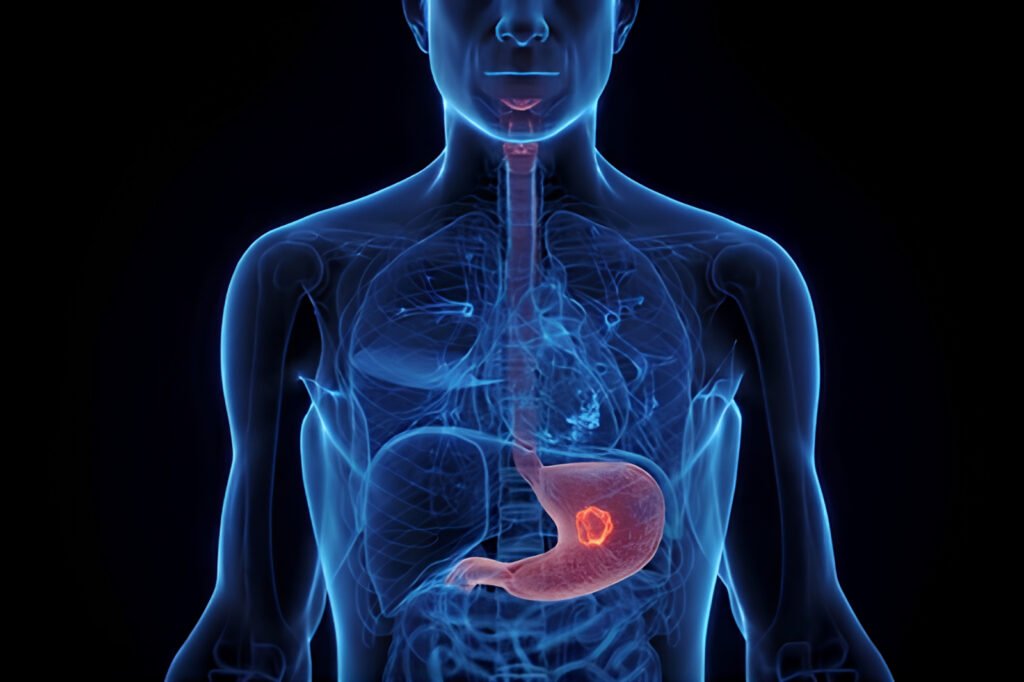
Symptoms That May Require a GI Cancer Evaluation
Symptoms of gastrointestinal cancer can resemble those of common digestive conditions. However, persistent, unexplained or worsening symptoms should be assessed by a healthcare professional. Possible warning signs include:

Persistent abdominal pain or discomfort.

Blood in the stool or black, tarry stools.

Difficulty swallowing or pain while swallowing.

Changes in bowel habits, including ongoing constipation or diarrhoea.

Persistent indigestion, bloating or a feeling of fullness after eating small amounts.

Unexplained fatigue or weakness, which may be associated with anemia.
These symptoms do not necessarily indicate cancer, but they may require further investigation. Seek medical advice if symptoms persist or worsen. Severe abdominal pain, vomiting blood or significant gastrointestinal bleeding requires urgent medical attention.
GI Cancer Treatment and Surgical Options
GI cancer treatment varies according to the affected organ, the stage of the disease, the tumour’s size and location, and the patient’s general health. The treating team considers these factors before recommending a treatment plan. Depending on the diagnosis and available services, treatment may involve the following approaches.
Surgery to Remove the Tumour
Surgery may be recommended when the cancer can be removed safely and the patient’s condition allows it. The procedure depends on the organ involved and may involve removing the tumour along with a portion of the affected organ and nearby tissue.
For example, surgery for colon or rectal cancer may involve removing the affected section of the bowel, while surgery for stomach or oesophageal cancer may require removal of part or, in selected cases, most of the affected organ.
Lymph Node Removal
Nearby lymph nodes may be removed along with the tumour during certain GI cancer operations. Examining these lymph nodes helps determine whether cancer has spread and provides important information for staging and further treatment decisions.
The need for lymph node removal depends on the cancer type, its location and the planned operation.
Minimally Invasive and Laparoscopic Surgery
For selected patients, gastrointestinal cancer surgery may be performed using laparoscopic or other minimally invasive techniques. These approaches use smaller incisions and specialised instruments.
Whether minimally invasive surgery is appropriate depends on the tumour’s location, its extent, the patient’s health and the surgeon’s assessment. Not every GI cancer can be treated using this approach.
Surgery for Liver, Pancreatic and Gallbladder Cancers
Some cancers affecting the liver, pancreas and gallbladder may require specialised operations. The type of surgery depends on the location of the tumour, its relationship with nearby blood vessels and organs, and whether the cancer can be removed safely.
These cases may require assessment by a surgeon with the relevant hepatobiliary or pancreatic expertise.
Chemotherapy, Radiation Therapy and Other Treatments
Surgery is not the only treatment for gastrointestinal cancer. Depending on the cancer type and stage, chemotherapy, radiation therapy, targeted therapy or immunotherapy may be recommended.
Some patients receive treatment before surgery to reduce the tumour or after surgery to lower the risk of recurrence. Others may need medicines or radiation as their main treatment. Decisions are made according to the diagnosis and the recommendations of the cancer care team.
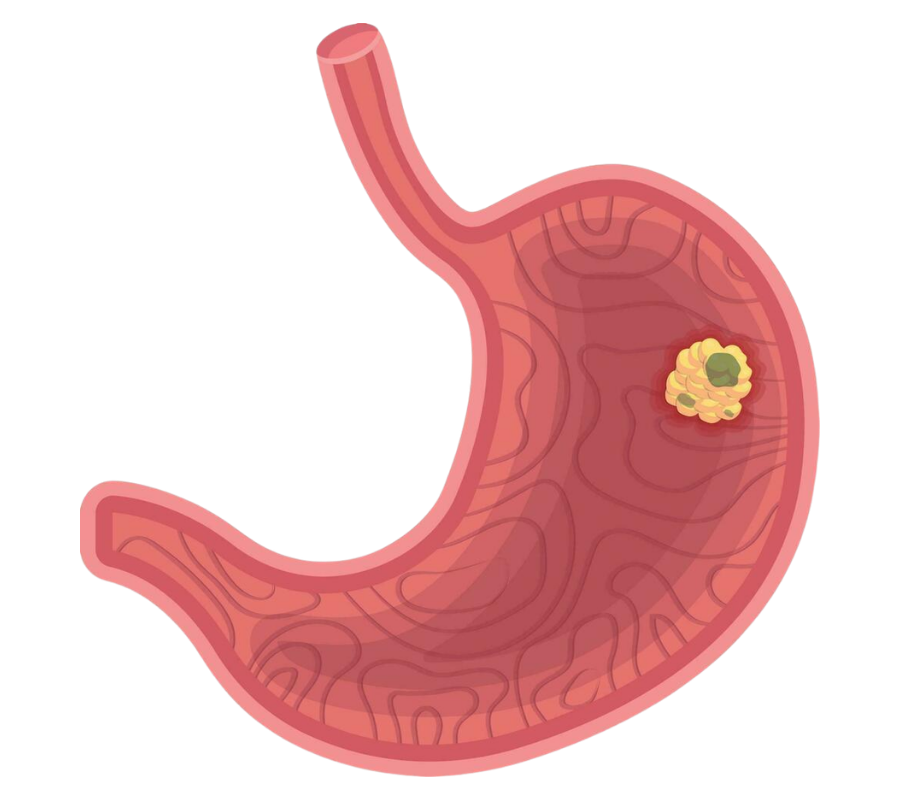
How Is GI Cancer Diagnosed?
Diagnosis helps the treating team identify the type of gastrointestinal cancer, determine its location and assess how far it has spread. The investigations required vary according to the suspected cancer and the patient’s symptoms.
The evaluation may include:
- Clinical examination: Review of symptoms, medical history and physical findings.
- Endoscopy or colonoscopy: Examination of the digestive tract using a specialised flexible instrument, depending on the suspected cancer.
- Biopsy: Collection of a tissue sample for laboratory examination to confirm the diagnosis.
- Imaging tests: CT scans, MRI scans, ultrasound or other imaging may be recommended to assess the tumour and surrounding structures.
- Blood tests: These may help assess general health, organ function and other findings relevant to treatment.
- Cancer staging: Investigation results help establish the extent of the disease and guide treatment planning.
Patients visiting Ved Hospital should bring previous biopsy reports, scan results, blood test reports, prescriptions and relevant medical records, if available.
GI Cancer Care at Ved Hospital
A gastrointestinal cancer diagnosis can raise concerns about surgery, recovery, dietary changes, possible complications and further treatment. Clear communication with the treating team helps patients and their families understand what to expect and prepare for the treatment journey.
At Ved Hospital, patients can enquire about consultation with Dr. Sanmit Joshi and the appropriate specialist for their particular type of gastrointestinal cancer. The recommended treatment will depend on the confirmed diagnosis, the extent of the disease and the patient’s individual needs.
Whether you have persistent digestive symptoms or have already received a GI cancer diagnosis, arranging an appropriate medical consultation can help you understand the available options and decide on the next steps.
Frequently Asked Questions
What types of cancer are treated by a GI cancer surgeon?
A gastrointestinal cancer surgeon may treat cancers affecting the oesophagus, stomach, small intestine, colon, rectum and, with the relevant specialist training, organs such as the liver, pancreas and gallbladder. The surgeon’s specific area of expertise determines which conditions they treat.
How is gastrointestinal cancer diagnosed?
Diagnosis may involve a clinical examination, endoscopy or colonoscopy, biopsy, imaging scans and blood tests. The investigations selected depend on the symptoms and the organ suspected of being affected. A biopsy is commonly used to confirm many types of GI cancer.
Can GI cancer be treated with laparoscopic surgery?
Selected gastrointestinal cancers can be treated using laparoscopic or other minimally invasive surgical techniques. Suitability depends on the tumour’s location and extent, the patient’s health and the surgeon’s assessment. Open surgery may be more appropriate in some cases.
What are the common symptoms of GI cancer?
Symptoms may include persistent abdominal pain, unexplained weight loss, changes in bowel habits, blood in the stool, difficulty swallowing, loss of appetite or yellowing of the skin and eyes. Symptoms vary by cancer type, and these signs can also occur with non-cancerous conditions.
Is surgery necessary for every GI cancer patient?
No. Surgery is not necessary in every case. Some cancers may be treated with chemotherapy, radiation therapy, targeted treatment or immunotherapy, while others require a combination of treatments. The recommended approach depends on the cancer type, stage and the patient’s overall health.
Can gastrointestinal cancer return after treatment?
Yes, some gastrointestinal cancers can recur after treatment. Follow-up appointments help monitor recovery, identify possible signs of recurrence and manage treatment-related effects. The follow-up schedule depends on the cancer type, stage and treatment received.
Consult for GI Cancer Evaluation in Mumbai
Have questions about stomach, colon or other digestive system cancers? Contact Ved Hospital to arrange a consultation with our specialist.